Markets are facing heightened volatility as investors await Iran’s response to a U.S. deadline that could sharply shift oil prices. The outcome may influence inflation, earnings and broader market direction.
BNN Bloomberg spoke with Brian Mulberry, chief market strategist at Zacks Investment Management, about how geopolitical risks are driving oil price scenarios, where cost pressures are building, and how investors are positioning portfolios.
Key Takeaways
- Oil could rise toward US$140 to US$150 per barrel if conflict escalates, amplifying global inflation pressures.
- A deal that restores Strait of Hormuz traffic could push oil toward US$90, easing inflation quickly.
- US$124 per barrel is a key technical level, with a breakout signalling further upside in prices.
- Rising diesel costs are driving wholesale price pressures, with consumer impacts likely if high prices persist.
- Energy stocks, particularly refiners, are seen as a hedge as limited capacity supports profitability.
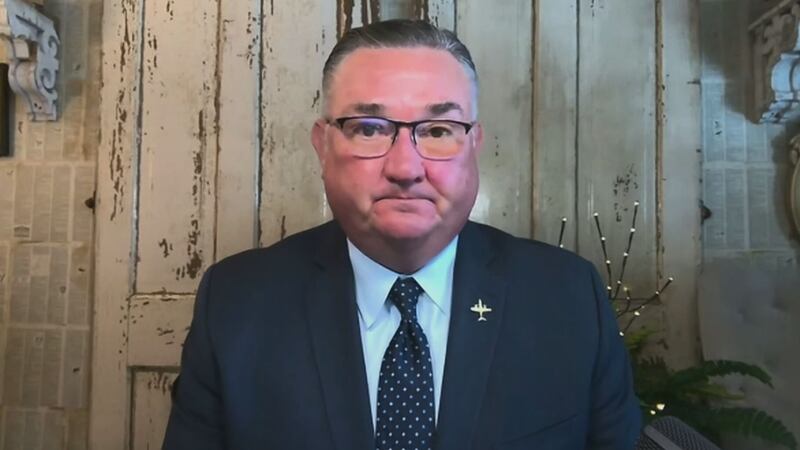
Read the full transcript below:
ROGER: Markets are navigating another volatile session as investors weigh a critical U.S. deadline for Iran, one that could send oil sharply higher or lower depending on the outcome. We’re looking at that and other market moves today with our next guest, Brian Mulberry, chief market strategist at Zacks Investment Management. Brian, thanks very much for joining us.
BRIAN: Thank you.
ROGER: Another day, another interesting session. Oil is dominating the markets, with investors focused on Iran. What are your thoughts on the deadline today and where markets might go depending on what happens?
BRIAN: The main story is escalation versus de-escalation. On the escalation side, if we don’t get any type of agreement or concessions from Iran, an attack could go ahead this evening, which could push oil prices beyond the recent close of US$123.70 last week. That could send prices toward US$140 to US$150 a barrel, similar to levels seen during the Ukraine conflict a couple of years ago. That’s the concern if things continue to escalate, as the energy shock could intensify.
However, there’s an equally possible outcome where we see some type of agreement that prevents that attack. In that case, oil could fall toward US$90 a barrel. That would be deflationary relatively quickly as tanker traffic through the Strait of Hormuz normalizes. We’re seeing some improvement, with about 20 to 30 ships per day, but that’s still below normal levels. A return to typical flows would ease prices quickly. It really comes down to how this plays out over the next few hours.
ROGER: If hostilities continue past the 8 p.m. deadline, you mentioned US$124 a barrel as a key level. Why is that important?
BRIAN: That’s the most recent high from the past couple of weeks, so it acts as a technical resistance level. If prices break above that, the upside could be significant, potentially another 15 to 20 per cent higher, which would bring oil toward roughly US$140. If prices stay below that level, it helps contain inflationary pressure compared with a worst-case scenario.
ROGER: If oil falls, could we eventually return to US$60, or is that unlikely now?
BRIAN: It’s possible, but likely further out, maybe a year from now. We would need a return to normal trade conditions, along with investment to restore infrastructure, particularly refining capacity in the Gulf states. Some key facilities have been damaged and will need time to come back online. That affects refined products more than crude itself.
ROGER: We’re already feeling higher prices at the pump, and businesses are feeling it as well. Where is the pressure building the most — retail, wholesale, or consumers?
BRIAN: In the short term, it’s mainly wholesale prices. Diesel costs are significantly higher than regular gasoline, and much of the global supply chain relies on diesel for transportation. That’s pushing up input costs at the wholesale level. If oil remains above US$120 through the summer, those costs will start to pass through more clearly to consumers.
ROGER: In every crisis, there’s opportunity. What are you telling investors right now?
BRIAN: One of the biggest hedges against an oil shock is owning refining stocks. Companies like Chevron, Exxon and ConocoPhillips have seen their shares rise alongside oil prices, up about 25 to 30 per cent. These firms are operating near full capacity, partly because there hasn’t been significant new refining capacity built in the Western Hemisphere in decades. That makes them well positioned to benefit if prices remain elevated.
ROGER: Let’s shift gears to Universal Music Group and Bill Ackman’s takeover bid. It surprised some investors.
BRIAN: He’s been a long-time shareholder and had built roughly a 10 per cent stake. He sees an opportunity to unlock value by moving the company to a U.S. listing, which could improve transparency and attract more institutional investors. The business itself is strong, and there’s potential to enhance dividend growth.
ROGER: Why has the company hesitated?
BRIAN: It appears to be some resistance to listing in the U.S., along with differing views among shareholders. But from a balance sheet and strategic perspective, there’s a strong case for the move.
ROGER: Do you think the deal goes through?
BRIAN: I think it could. The offer is compelling and represents a significant premium to where the stock has been trading.
ROGER: We’ll leave it there. Brian, thanks for joining us.
BRIAN: Thank you.
ROGER: Brian Mulberry is chief market strategist at Zacks Investment Management.
---
This BNN Bloomberg summary and transcript of the April 7, 2026 interview with Brian Mulberry are published with the assistance of AI. Original research, interview questions and added context was created by BNN Bloomberg journalists. An editor also reviewed this material before it was published to ensure its accuracy and adherence with BNN Bloomberg editorial policies and standards.

