Markets are retreating as concerns grow over a fragile ceasefire and ongoing disruptions in the Strait of Hormuz, pushing energy prices higher and weighing on global growth.
BNN Bloomberg spoke with Karl Schamotta, chief market strategist at Corpay, who says supply shortages, currency pressures and geopolitical risks are driving volatility across global markets.
Key Takeaways
- Markets are giving back gains as ceasefire optimism fades and geopolitical tensions persist.
- Oil supply disruptions are intensifying as tankers avoid the Strait of Hormuz, tightening global energy markets.
- Energy-importing economies are facing currency pressure as higher oil prices boost the U.S. dollar.
- Prolonged supply constraints could slow economic activity across Asia and Europe.
- Investors are being urged to avoid short-term trades and stay focused on long-term growth opportunities.
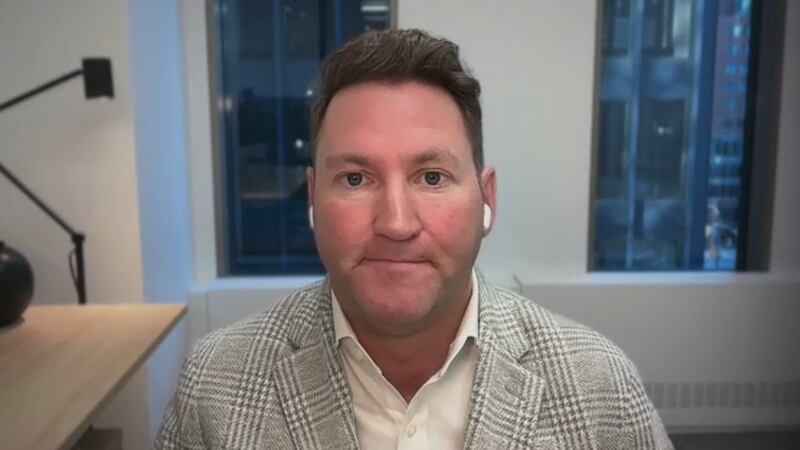
Read the full transcript below:
ANDREW: The Strait of Hormuz remains effectively closed, according to the latest reports, and Iran is talking about exacting a toll on vessels passing through that waterway. Other countries in the region are not happy about that, saying they will not pay Iran to use an international waterway. Let’s get more from Karl Schamotta, chief market strategist at Corpay. Karl, take it away. What are you paying most attention to right now?
KARL: Clearly, we have that tide of optimism surrounding the ceasefire fading in global markets. Markets are basically retracing the gains that were earned after Tuesday night’s announcement. This is on the basis that we are still seeing attacks across the region, with Israel pressing its offensive against adversaries in Lebanon, and the Iranians themselves threatening to continue to keep shipping through the Strait closed. If we look at the data right now, we are seeing some dry bulk carriers crossing the strait, but oil supplies are not moving. Tankers are not moving. That means the shortages we are seeing around the world are increasing by the day, and that is very much a headwind for global economic growth and for market valuations in the months ahead.
ANDREW: I know it depends on how long the blockage continues, but this has the potential to cause enormous disruption, especially in Asia and Europe, it appears.
KARL: That’s right. If we look back at what has played out over the last five weeks, currency markets are a fantastic lens for understanding the impact. It has been very clear that if your country is a net importer of energy and other commodities, including fertilizer, you are getting hit hard in currency markets relative to the U.S. dollar. The risk here is that we do see an economic slowdown spreading through Asia and across Europe as the shortage hits home and impacts how economies function. Consumers are getting hurt, businesses are getting hurt and currencies are reflecting that wider damage.
ANDREW: What do you suggest an investor should do right now? I know it depends on risk tolerance, but what would be a plausible strategy?
KARL: I think the base case is still that we will see this blockage in the strait lifted at some point in the coming week or two. The reality is that although the ceasefire does not look like it is holding particularly well right now, the fact that a ceasefire was announced in the first place demonstrates the Trump administration’s desire to find an off-ramp. The best base case to anticipate is that the Trump administration will unilaterally pull back on attacks on Iran. That will allow Tehran to eventually reopen the Strait and let shipping through, which should allow global markets to resupply. The key is to avoid overreacting to headlines, stay invested and remain in assets that will participate in long-term growth.
ANDREW: I have to press you there, though, Karl. That’s a bit non-committal. I know it’s almost an impossible question, but say you had a time horizon of one month. Are there assets you think will be significantly higher?
KARL: It’s hard to say. This is one of the times where I would not be making one-month plays. There are a number of unknowns here, and we do not know how this is going to play out. Markets have already corrected a lot of the excess. I would stay parked in general equity indices and not go hunting for specific assets that depend on precise conditions, because we just do not know how it will unfold. One of the things this episode has taught is humility. If we look back over the last year, a lot has been counterintuitive and has not followed long-standing playbooks. That said, we still have the impetus for global growth and a lot of innovation happening. In the long run, I am confident. In the short run, I would not try to pick specific assets tied to uncertain scenarios.
ANDREW: Bloomberg says an unpredictable America is shaking the foundations of the global economy, but capital still wants to be in the U.S. It’s kind of counterintuitive.
KARL: It is. If we look at the data, capital inflows into the U.S. have not slowed. In some ways, they have increased over the last year and a half. There is no clear evidence of a “hedge America” trade. Global investors still see the U.S. generating the highest productivity growth and representing the biggest opportunity, particularly given the depth of its financial markets. That reflects the scale of the U.S. economy and the strength of its innovation engine. Over the long term, global investors are likely to diversify more, and we could see a more balanced global growth regime emerge. But for now, the U.S. remains a dominant destination for capital.
ANDREW: Karl, thank you very much indeed. Karl Schamotta, chief market strategist at Corpay.
---
This BNN Bloomberg summary and transcript of the April 9, 2026 interview with Karl Schamotta are published with the assistance of AI. Original research, interview questions and added context was created by BNN Bloomberg journalists. An editor also reviewed this material before it was published to ensure its accuracy and adherence with BNN Bloomberg editorial policies and standards.

