Stocks are extending gains on optimism that tensions in Iran may ease, lifting sentiment and pushing the Nasdaq toward a strong weekly advance.
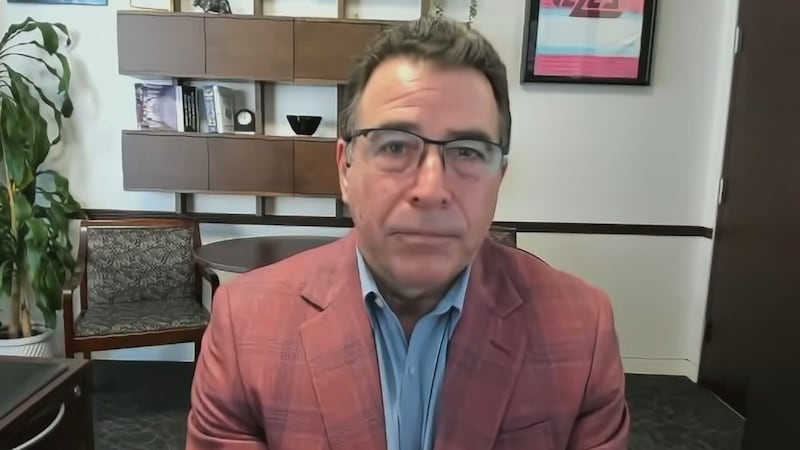
BNN Bloomberg spoke with Andrew Pyle, senior investment advisor and senior portfolio manager at CIBC Wood Gundy, who said investor enthusiasm is rising but warned that unresolved risks tied to inflation, supply chains and valuations remain.
Key Takeaways
- The Nasdaq is on track for a roughly five per cent weekly gain as investors react to signs of easing geopolitical tensions.
- Investor sentiment has shifted quickly, with fear of missing out returning after earlier risk-off positioning.
- Lower bond yields and easing inflation concerns are supporting growth stocks, including major AI-related names.
- Structural risks from the conflict, including supply chain disruptions and higher input costs, are still working through the economy.
- Some areas, such as transportation stocks, appear overbought and may struggle to justify valuations if conditions normalize.
Read the full transcript below:
ANDREW B.: The Nasdaq now on track for a five per cent weekly gain. Let’s get perspective on this rally from Andrew Pyle, senior investment advisor and senior portfolio manager at CIBC Wood Gundy. Andrew, thanks very much. What should investors bear in mind about the current stock market? Is there euphoria, do you think?
ANDREW P.: Well, great to be here, Andy. As usual, there is definitely euphoria, I think, coming into this morning. You know, the mood was lifted. We’ve seen this lift in the mood throughout this week, but there was still that suspicion, Andy, that, you know, what’s going to happen next? Going into the weekend, you’ve still got traders that perhaps didn’t want to go into this weekend long. And, of course, until we saw the Iran headline, that really kind of opened the gate, so to speak, for this momentum to carry through. And again, I would argue that, you know, we still don’t have all the details yet, but it clearly has injected a huge amount of relief into this market, a very respectable market.
ANDREW B.: One thing that’s really been striking, I think, is the recovery in the big AI stocks, maybe we could, or AI-related stocks. We could have a look at maybe a one-year chart for Meta or for Amazon and their AI play through AWS. It looks like investors are not worried about excessive spending on AI.
ANDREW P.: No. I mean, although we were thinking about this and talking about this before the Iran war, there were a lot of risks in this market before. But keep in mind what has happened now. If this really truly is, Andy, the end of the war, if it’s in sight, that takes a number of things off the table that would have dragged down the likes of the Mag Seven, including the state of the U.S. economy, the global economy, for that matter, and also where we see interest rates going long term. Rates were at risk of rising, which was not going to be a positive influence for this segment of the market. Take a look at what we have this morning. In addition to the equity market having a party, Andy, we have bond yields now moving lower because perhaps that inflation concern is out, and that really is going to be positive news for that segment of the market.
ANDREW B.: What do you think Canadian investors should do right now? Should they play it safe, maybe load up on banks, for example? I know you work for a bank.
ANDREW P.: Well, the messaging to clients has been for the last number of weeks: do not make drastic changes to the portfolio based on headlines. We need to see more fundamental evidence to make a decision, either bearishly or bullishly, Andy. But I would apply that same logic to today. We have seen a massive move higher in this market, and it’s going to be tempting for a lot of investors to look back to last April, when we saw the markets, or at least in the U.S., lose 19 per cent, get back to where they were, and then extend that rally another 13 to 14 per cent coming into this January. That’s a very tempting theme. I think I would push back on that because, again, this is a different situation currently.
ANDREW B.: And you think that we’re back to FOMO, fear of missing out?
ANDREW P.: Well, FOMO is going to be alive and well today, Andy, as we know, because all you need to do is look back to last Tuesday, when we thought someone wanted to take out civilization. We had a lot of investors globally looking at whether they needed to really pull back on risk. Obviously, that need dissipated. And for a lot of investors, it’s going to be, well, I could have been playing in this market today. Look at the gains that we’re seeing. So I would say FOMO is going to come back now. The question is, Andy, how long can FOMO take the momentum of this market forward? And again, I would push back on the belief that this is now opening the gates for a multi-month rally in stocks because there are other things for us to contend with.
ANDREW B.: Sorry, give us that again. It opens the gates to what, Andrew?
ANDREW P.: Well, I think a lot of people are going to think that this is a repeat of last year, where now there’s smooth sailing ahead. There’s no risks really facing this market. Keep in mind, Andy, a lot of things in the pipeline that have been created by this war are still in the pipeline. We’re not going to rebuild energy infrastructure in the Middle East overnight, nor are we going to affect the prices of fertilizer, aluminum, helium overnight. Those things are in the pipeline, and they are going to have impacts on consumers. It’s going to have an impact on businesses, perhaps not as much after today, but again, today is just today. The devil is in the details, as they say, Andy, so I think we’ve got a weekend to ponder what exactly is happening in the Middle East.
ANDREW B.: One index that you think is showing signs of overbought territory is the Dow Transports. I don’t think we can show those, but you note—oh, we can. I’m sorry. Yep, there we have it. It’s been surging, and one catalyst lately has been a jump in Avis, the car rental company, because apparently people are tired of standing in lineups at airports, so they’re renting cars to travel.
ANDREW P.: Well, exactly. And this stock has just taken off. It almost looks like a meme stock, if it wasn’t so expensive, Andy. And you’re absolutely right, this stock has been one of the beneficiaries from what has happened with the TSA, with the lineups at airports. It begs the question now, if we are going to take the risk off the table with respect to the war, if, for example, TSA conditions start to stabilize, what is the value in the stock? So I think, again, the stock looks extremely overvalued right now, and it has pushed this particular segment of the Dow, which, Andy, we used to look at a lot back in the day. Dow Transports was your confirming index, you know, 20, 30 years ago, for whether this rally could continue. A lot of people, in looking at this index, said, you know, there’s no end in sight for this rally. Again, I would push back on that slightly.
ANDREW B.: Andrew, thank you very much.
ANDREW P.: Pleasure, Andy.
ANDREW B.: Andrew Pyle, senior investment advisor and senior portfolio manager at CIBC Wood Gundy.
---
This BNN Bloomberg summary and transcript of the April 17, 2026 interview with Andrew Pyle are published with the assistance of AI. Original research, interview questions and added context was created by BNN Bloomberg journalists. An editor also reviewed this material before it was published to ensure its accuracy and adherence with BNN Bloomberg editorial policies and standards.

