A surge in gasoline prices is cutting into rideshare drivers’ earnings, as workers absorb higher costs tied to fuel and vehicle expenses.
BNN Bloomberg spoke with Laura Padin, director of work structures at the National Employment Law Project, who says companies such as Uber and Lyft shift key financial risks onto drivers while relying on opaque systems to set pay.
Key Takeaways
- Gasoline prices rose more than 20 per cent in March, reducing take-home pay for rideshare drivers who cover their own fuel costs.
- Companies such as Uber and Lyft classify drivers as independent contractors, shifting expenses like fuel and maintenance onto workers.
- Pay is set using opaque algorithms, making it difficult to verify whether compensation reflects rising costs.
- Independent contractor status limits access to protections such as minimum wage, expense reimbursement and pay transparency.
- Higher operating costs and income uncertainty could push more drivers to leave rideshare platforms.
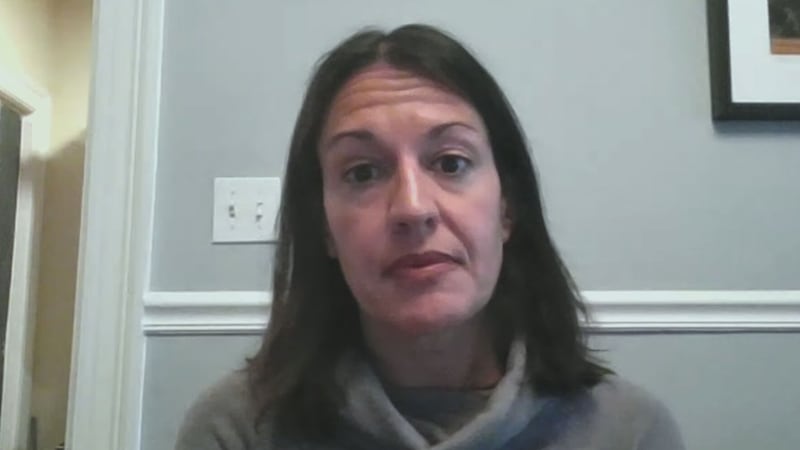
Read the full transcript below:
ANDREW: Gasoline prices surged more than 20 per cent in March as a result of the conflict in the Middle East. This has been especially painful for rideshare drivers who have to pay for their own gas. So higher gas prices take a chunk out of their take-home pay. Let’s get more from Laura Padin, director of work structures at the National Employment Law Project. Thanks very much indeed for joining us. Now, your focus here is U.S. ride-hailing workers.
LAURA: That’s correct, yes.
ANDREW: For Uber, Lyft, all the big providers.
LAURA: Yeah. So, I mean, I think what we’re seeing here is the high price of gas really exposes how exploitative this gig labour model is, right? Uber and Lyft classify their drivers as independent contractors, which essentially means they’re saying these drivers are independent businesses. And because they’re classified this way, Uber and Lyft can avoid paying them minimum wage, overtime, and also, critically, if you’re an employee, your boss is usually required to reimburse you for certain work-related expenses. Here, obviously, the big ones are gas, vehicle wear and tear, but if you’re an independent contractor, none of these laws apply to you.
ANDREW: The rideshare companies say, well, we compensate the workers for rising fuel prices, but you say that’s impossible to verify?
LAURA: Well, yeah. I mean, the reality is there’s so little regulation of gig work, we have to take Uber and Lyft at their word, and we can’t verify what they’re saying. They use these black-box algorithms to set drivers’ wages. This means drivers’ pay fluctuates from day to day, job to job. A driver could be paid $30 for a trip to the airport one day and $20 the next day. And we just don’t know. We don’t know what they’re using to set prices, and we can’t verify that they’re actually increasing workers’ wages to compensate them for the higher costs.
ANDREW: What is the evidence you’re hearing? In Canada, apparently, according to The Globe and Mail, rideshare workers have already been abandoning the work because it’s just not economic with these high fuel prices.
LAURA: Yeah. I mean, so this happens a lot when fuel prices rise. This whole business model that Uber and Lyft have created is about passing the risks and costs of the business onto their workers. If the cost of gas goes up, it falls on the drivers. If a car’s transmission blows, it falls on the drivers to pay the thousands of dollars to fix that, right? So we hear periodically drivers complain, sometimes they’re not even breaking even after accounting for their expenses. So it’s not surprising that so many drivers are saying, “I can’t do this anymore.”
ANDREW: Is there no real political will to improve things for these gig workers? There’s no votes in it, I mean?
LAURA: You know, I think we need a few things here. So one is these companies are powerful, and they do very sophisticated lobbying. They have, for a long time, engaged in this lobbying that says these drivers are in business for themselves. They have flexibility, all of that. But that is not the reality. Uber and Lyft set their pay, determine what assignments they’re offered, surveil them. So what we need is enforcement of our labour and employment laws for these workers. They should be covered by minimum wage, overtime. They should have reimbursement of their work-related expenses. They should know what they’re being paid day to day and hour to hour. They should have a pay stub. There’s no reason why our labour and employment laws shouldn’t apply to these workers. So we need better enforcement. And I think the reason we’re not getting that is because these companies are very powerful, and they’ve engaged in sophisticated lobbying and messaging to say, “Oh, we’re different because these drivers get work through an app,” when it’s really not any different than any other work anyone else gets.
ANDREW: There’s going to be a unionization vote, I gather, in California coming up, and it involves, apparently, about 800,000 drivers from Uber, Lyft, DoorDash and Instacart. So what exactly will be voted on here?
LAURA: So they’ll be voting on a sectoral bargaining law that passed in California that will give them the right to unionize. So it will be a really positive step forward for this workforce. They’ll be able to unionize, and then they’ll be able to negotiate, just like other workers do, about pay, benefits and their working conditions. So it will be a positive step forward for them.
ANDREW: Yeah, but in the past, Uber and Lyft have managed to prevail in California as well. They won a ruling, I think, in 2024, that these companies can continue to classify them as independent contractors.
LAURA: Well, in California, actually, they sponsored a ballot initiative, and they spent hundreds of millions of dollars on this initiative that basically classified their drivers and workers as independent contractors under state law. So they spent an enormous amount of money to essentially get a carve-out from labour and employment law under state law. So it was a huge setback for rideshare drivers in California. But because that law is on the books, and because that law now classifies them as independent contractors under state law, drivers have pursued this other course, which is essentially collective bargaining under state law, which will be a way to improve their wages and working conditions now that they’re classified that way.
ANDREW: So what if, as consumers, we’re concerned about these ride-hailing drivers getting a rough deal? What should we do? I mean, are there other ways to use ridesharing that gives the workers a better deal?
LAURA: So I think one thing that’s really important here is to realize that we’re all in the same boat regarding how these companies are operating. These companies are collecting an enormous amount of data from us as consumers and as drivers, and we don’t know how they’re using that data. They could be using that to set individualized wages and individualized prices. So if they know, as a worker, you accepted a ride last week for $10, maybe they’ll say, we’ll never offer you something more than $10 because you accepted it in the past. And maybe for consumers, they know that you’ll pay more, so they’ll offer you rides only at higher prices. So we need to realize that these companies can be operating the same way for consumers and workers. I think we need more solidarity here, both as consumers and workers, to realize workers need a minimum wage, they need transparency about how their wages are set. Their wages shouldn’t be fluctuating from day to day or job to job. And we also need more transparency about how these companies are collecting and using consumers’ data to set prices. These issues are related, and we need solidarity because it’s the companies here that have too much power and there’s too little regulation about how they operate.
ANDREW: Thank you very much. That’s an interesting angle as well, that we as consumers are the product here, as so often happens with internet companies. Thank you very much, Laura.
LAURA: Thank you.
ANDREW: Laura Padin, director of work structures at the National Employment Law Project.
---
This BNN Bloomberg summary and transcript of the April 21, 2026 interview with Laura Padin are published with the assistance of AI. Original research, interview questions and added context was created by BNN Bloomberg journalists. An editor also reviewed this material before it was published to ensure its accuracy and adherence with BNN Bloomberg editorial policies and standards.

