Markets are digesting another wave of earnings as Palantir delivers strong results but fails to meet elevated expectations, while investors look ahead to key reports and broader risks.
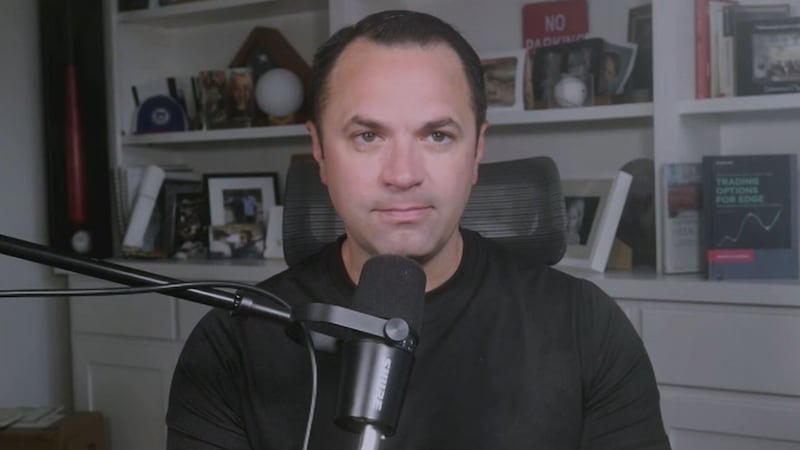
BNN Bloomberg spoke with Mark Sebastian, founder of Option Pit and CIO of Karman Line Capital, about muted market reactions, upcoming earnings catalysts and rising concerns around volatility and the bond market.
Key Takeaways
- Palantir shares declined after earnings as results were already priced in and failed to exceed high expectations.
- Companies must significantly outperform to drive stock gains, as strong results alone are no longer enough in a high-valuation market.
- AMD’s earnings are a key near-term catalyst, with downside risk seen if expectations are not exceeded.
- Weakness in software stocks reflects growing uncertainty about AI disruption and competitive pressures.
- Rising volatility and ongoing weakness in long-term bonds are emerging as key risks for broader markets.
Read the full transcript below:
LINDSAY: Welcome back. We have more earnings results to digest this morning. Palantir posted record quarterly revenue and profit, and Shopify issued a narrowed loss. So we’re going to get some thoughts now from Mark Sebastian, founder of Option Pit and CIO of Karman Line Capital. He joins us this morning. Good morning. Thanks for joining us.
MARK: Good morning. Good to see you.
LINDSAY: Good to see you as well. We have a couple of things to break down here. Let’s start with Palantir reporting record revenue and raising its full-year guidance. Are you impressed with the results you’re seeing here?
MARK: They were good, but they were clearly baked in. Otherwise, Palantir would be exploding. A lot of times when you see a beat across the board, that number was already kind of guessed — you know, they call them whisper numbers. What’s really pushed these AI ones is when they can absolutely hit a level that no one was expecting. We saw that with Intel last week. So Palantir, great earnings, down three and a half per cent. The market was looking for about an eight per cent move, so this is muted, which means it could sit here for a day or two, and then fundamentals will likely take over and you could see this thing start to rally again.
LINDSAY: So if you’re saying it’s kind of baked in for this latest quarter, are you expecting very different results in a couple of months from now?
MARK: It really goes quarter to quarter, and Palantir has seen huge growth. For this stock, you’re going to see this thing start to rally into its next earnings. For companies coming out of earnings, they really need to — in this market — it can’t just be good. Even great isn’t going to do it. They have to be like, “Wow,” because these valuations are so high. Palantir’s earnings were great. They weren’t “wow.” If you look at the stocks that have really blown higher, it’s been those “oh my gosh” earnings — off the charts. Those have been the names that have moved really hard. Qualcomm, Google, Intel — companies that produced nice earnings but didn’t completely blow everyone away, like Amazon, don’t see huge moves post-earnings. Now, after a couple of days, once the froth settles down, those companies typically begin their general upward direction along with revenue growth.
LINDSAY: Okay, so we’re also watching Advanced Micro Devices reporting after the bell today. What are your expectations with this company?
MARK: It’s going to be interesting. We just saw Intel last week absolutely blow the doors off earnings. AMD and Intel are very similar businesses. If AMD earnings are similar to Intel, it made such a strong move off Intel’s earnings that maybe this move is muted. Now, if Intel is eating into some of AMD’s earnings, that’s a different story, and you could see AMD roll over. I think the risk on AMD going into this earnings is likely toward the downside more than the upside, just given that it’s already made such a strong move. And like I said, if Intel is eating a little bit of their earnings, you could see AMD pull back.
LINDSAY: Okay, interesting. So we’ll watch for that after the bell today. As I mentioned, Shopify, meanwhile, topped estimates, but the stock is tumbling. We saw it down almost 10 per cent earlier. What jumped out to you here?
MARK: It’s the entire software business that is really being threatened. Can someone just go into Claude and create whatever they want that Shopify is currently doing? I want to see Shopify address that and have strong things to say about what their moat is to combat that type of behaviour from individual resellers, which is Shopify’s core business. What we’re seeing is not really a reaction to the earnings. It’s what we’ve seen out of a lot of software names where maybe they don’t have something definitive to say to combat the risks around AI, and then you see the stock tumbling.
LINDSAY: Right. A difficult time for software stocks. We’re also watching Cameco. We’ll be speaking with the CEO later this morning. It beat estimates across the board. Your thoughts?
MARK: It’s nuclear. The ability to pump, process and send uranium — demand is only going to go higher, especially as these small nuclear reactors come on. These are individual reactors designed to power very small areas. They still use uranium. That’s kind of the next generation of where nuclear power is going — think Oklo or NuScale Power. SMRs are going to be the next layer of demand on top of some of these nuclear plants. I think Cameco is really well positioned and coming up on a moment similar to what we saw with Chevron and Exxon in the early 2000s, when energy demand was constant.
LINDSAY: And moving forward, a company like this will have a big role to play in building out data centres.
MARK: Absolutely. Data centres need small nuclear reactors. Cameco is delivering the materials.
LINDSAY: Any overall takeaways before I let you go in terms of earnings season?
MARK: I saw this note about a GameStop-eBay merger — one of the silliest ideas I’ve heard. If that deal happens, I’ll fly to Toronto and be your showrunner for the day. But it got me thinking about other ideas. There could be real synergy between Shopify and eBay. A lot of eBay sellers are stuck in eBay stores without their own websites, or they have separate systems. There could be value unlocked there. Another idea — eBay is a strong cash-producing business. It might even be interesting for someone like Berkshire Hathaway. I’m not saying it’s going to happen, but a Shopify-eBay combination could make sense. GameStop and eBay — just a terrible idea.
LINDSAY: It’s interesting because the question is where GameStop would get the money from.
MARK: Exactly. This isn’t going to happen. What GameStop should do is cash out. The fit doesn’t work, and financing in this environment — where credit is tight and Treasuries offer strong returns — makes deals like this unlikely. If eBay gets picked up, it would probably need to be a stock-and-cash deal, not a leveraged buyout. I don’t think the market is ripe for LBOs right now.
LINDSAY: But Shopify and eBay — a better match?
MARK: Yes. Interesting idea. If it happens in a year, remember this.
LINDSAY: We will. Mark Sebastian, founder of Option Pit and CIO of Karman Line Capital. Thanks for your time.
---
This BNN Bloomberg summary and transcript of the May 5, 2026 interview with Mark Sebastian are published with the assistance of AI. Original research, interview questions and added context was created by BNN Bloomberg journalists. An editor also reviewed this material before it was published to ensure its accuracy and adherence with BNN Bloomberg editorial policies and standards.

