Canadian parents are increasingly talking to their children about money, but many still worry their kids are not prepared to manage finances independently. A new survey points to a gap between understanding financial concepts and putting them into practice through real-world habits and decision-making.
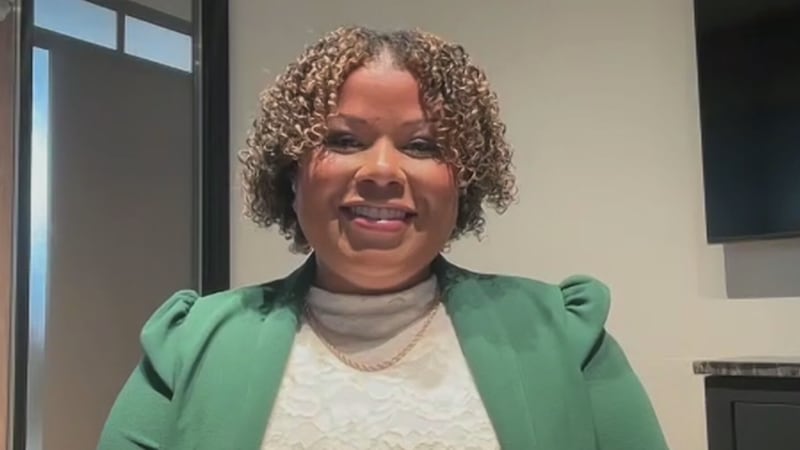
BNN Bloomberg spoke with Vanessa Bowen, founder of Mint Worthy, about Mydoh’s Financial Resilience Report, the importance of normalizing money conversations at home and why practical experience with spending and saving can help children build financial confidence.
Key Takeaways
- A national survey found 90 per cent of parents regularly discuss money with their children, but only nine per cent strongly believe their kids are ready for financial independence.
- Financial literacy advocates say children benefit from practical experience with earning, saving and spending, rather than learning concepts alone.
- Experts encourage parents to normalize low-pressure conversations about household finances from an early age to build confidence around money.
- Ontario’s planned Grade 10 financial literacy test reflects growing concern about preparing students for real-world financial decisions.
- Parents are encouraged to focus on age-appropriate money discussions and hands-on financial habits to help children develop long-term resilience.
Read the full transcript below:
ROGER: How confident are your kids with money? Today is Talk With Your Kids About Money Day, an initiative encouraging parents to help their kids build real-world financial skills. For more on how to raise financially confident kids, I’m joined by Vanessa Bowen, founder of Mint Worthy. Vanessa, thanks very much for joining us.
VANESSA: Thanks for having me, Roger.
ROGER: Just how good are kids with money? Are a lot of kids struggling with it? We almost feel like we look and go, “You’re too young.”
VANESSA: Well, it’s interesting. So this recent study that was conducted by Mydoh shows that although 90 per cent of parents are actively talking to their kids about money, only nine per cent of parents strongly feel that their kids could be financially independent when they leave home. So we’re having conversations, Roger, but there is a gap between this practical knowledge of how to actually handle and manage money.
ROGER: When should you start with kids? Is it ever too early?
VANESSA: Personally, I don’t think it is ever too early. Yes, maybe your child may not be able to understand conceptually what you’re talking about, but I think once we have these conversations and start having them as soon as possible, kids start to feel more comfortable talking about money. They feel like money conversations are normalized. So I don’t think there’s a specific age to start. I think the sooner, the better.
ROGER: And what do you focus on when you’re talking to them? What’s key to tell the kids? What do they need to know?
VANESSA: Yeah, such a great question. I think the key is to have open conversations and making these conversations almost like everyday ones where they’re not overwhelmed or anything like that. And that’s actually interesting because, in this actual study by Mydoh, one in five parents kind of feel that they shouldn’t have these conversations with their kids because they feel like it’s going to cause their kids stress and overwhelm. And so, to answer your question there, if we make the conversations easy, if they’re just like low-pressure conversations, then I think this is what helps kids to feel comfortable around money. And one of the things that Mydoh actually does with their app is that they allow kids to actually spend their own money, and then kids and parents get the notification so they can actually bring these transactions to their kids to have these conversations.
ROGER: And when you say keep it low-key, how would you approach, I don’t know, paying the bills or debt? You have some debt, a mortgage. How would you explain that to a younger child — or not younger — say, a 12-year-old?
VANESSA: Yeah. I have a little bit of a lens on this because I do feel that you should tell your kids some things, but it doesn’t have to be everything. And so one thing I always recommend is, you know, set aside five to 10 minutes every week and discuss a savings goal or spending as a family. It doesn’t have to be the mortgage. It doesn’t have to be the debts. It could be the hydro bill. It could be the water bill. Things that kids relate to and understand based on the age that they’re at, but having these conversations be natural to where they’re at in their age group, and then increase those conversations, of course, over time.
ROGER: And has it been made better or more difficult? First with AI, but for just card, credit cards and swipes and taps, so they don’t ever actually see the money in their hands.
VANESSA: Yeah, that’s such a great point. There is definitely that disconnect between that tangible feel of money, especially these days. You’re right. Everything is tap, tap, tap. But I don’t think that takes away from the learning ability of kids to understand how to manage money, and the more that we allow them to experience it, even if it is a tap, where they can experience whether it’s saving, spending, earning, they get to have these real-life money moments that still teaches them, you know, do I spend now? Do I spend later? It teaches them about opportunities. It teaches them about mistakes as well. But all of this comes together to really create their experience around money.
ROGER: All right. What do you think of Ontario’s mandatory financial literacy test for Grade 10? Is it working? Are there things that can be changed on it? Is it needed? It sounds like it’s needed.
VANESSA: I do feel like it’s needed. And this is actually what we saw in the survey conducted by Mydoh. The education is there. So I do think we have to start with the education. The gap then becomes when we take that education out of school and bring it home to those practical applications. This is where something like the Mydoh Smart Cash card allows kids to actually spend their money, so they get to learn from these real-life money movements. So I think we need both. We need the education, but we also need the practical knowledge and actual application of money as well.
ROGER: Is this something that could be done earlier, too, do you think?
VANESSA: Well, I think it depends on what age. I think, you know, starting at least with a five or six is definitely like where we would prefer to start, and that’s where Mydoh has their app that actually starts kids at that age. So I think six, around six, is definitely the ideal. Before that, have the conversations. They might not understand everything, but it doesn’t mean we don’t get to start that talk around, you know, the dining room table.
ROGER: All right, and we’re almost out of time. But what is the one thing that parents could do right now to get their kids on track with this? One quick answer.
VANESSA: Yeah, such a great question. I would say have them practise using money, whether that is using something like the Mydoh Smart Cash card, but practically spend, practically save. Get them to experience money in a real-life situation.
ROGER: All right, we have to wrap it up there, Vanessa. But thank you very much for joining us.
VANESSA: Thank you so much, Roger.
ROGER: Vanessa Bowen is founder of Mint Worthy.
---
This BNN Bloomberg summary and transcript of the May 13, 2026 interview with Vanessa Bowen are published with the assistance of AI. Original research, interview questions and added context was created by BNN Bloomberg journalists. An editor also reviewed this material before it was published to ensure its accuracy and adherence with BNN Bloomberg editorial policies and standards.

