Support for women entrepreneurs in Canada is expanding beyond funding, with greater emphasis on mentorship, networking and practical business education. Community-based programs are helping women develop the skills and connections needed to launch and grow businesses while advancing financial independence.
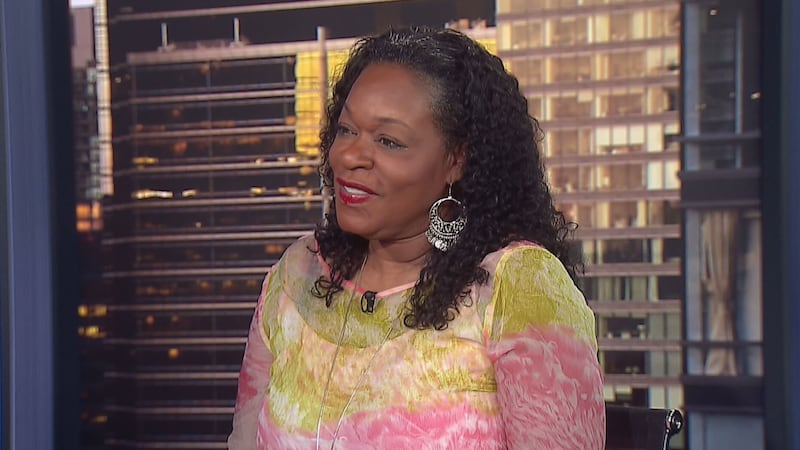
BNN Bloomberg spoke with Jacqueline Dixon, founder and CEO of the Resilient Women Program, about how the organization’s mentorship and business development initiatives help women build sustainable businesses through networking, practical skills and access to experienced mentors. She also discussed the upcoming two-day symposium in the Greater Toronto Area.
Key Takeaways
- Women entrepreneurs often face greater challenges accessing capital, making mentorship and professional networks critical to business growth.
- Building relationships before launching a business can improve access to clients, suppliers, mentors and funding opportunities.
- The Resilient Women Program focuses on practical business skills, networking and mentorship to help women build sustainable businesses.
- More experienced entrepreneurs and business leaders are needed as mentors to help guide the next generation of women business owners.
- Supporting women-owned small and medium-sized businesses can strengthen Canada’s economy by encouraging entrepreneurship, job creation and long-term business growth.
Read the full transcript below:
ROGER: Well, there is growing focus in Canada on supporting women entrepreneurs, not just with funding, but with access to networks and practical training. Programs like the Resilient Women Program aim to fill that gap, helping women build and grow sustainable businesses. This weekend, they’re hosting an event just outside Toronto, bringing together entrepreneurs, mentors and community leaders. For more on this, we’re joined in studio by Jacqueline Dixon, founder and CEO of the Resilient Women Program. Jacqueline, thank you very much for joining us today.
JACQUELINE: Thank you. Good morning. Thank you for having me.
ROGER: All right, let’s talk a little bit about the program itself. What exactly is it?
JACQUELINE: The Resilient Women Program was developed to help women SMEs develop a sustainable ecosystem to ensure that they are successful when they pull the trigger on becoming entrepreneurs. What we know for a fact is statistics tell us that the Canadian economy is helped by over $90 billion a year because of SMEs that are owned by women. They also employ over one million people through these SMEs. We want women entrepreneurs to be successful and to run sustainable businesses. We know the secret sauce for these small businesses, for the most part, is networking.
ROGER: Sorry, I didn’t mean to catch you there either. Jacqueline, Nate’s joining us online. Nate, you’ve got a question for Jacqueline?
NATE: Sure, happy to. I guess one of the questions I have is, I’m certain there are probably other providers offering this type of support for women entrepreneurs. What gap do you think you fill, and what special skills do you bring to the table?
JACQUELINE: Fantastic. What we do is create an environment that allows women to learn because what we have found is that the women who have been the most successful as SMEs are not the ones who had the brightest ideas. They’re the ones who intentionally built relationships. So, we create an environment where we teach, train and encourage networking skills. We teach and train women how to create relationships that build a solid network and ecosystem to sustain their businesses.
ROGER: Do women network differently than men?
JACQUELINE: Very much so, because women are less likely to approach venture capital firms, funders and investors, and really put the big ask out there. Because of that, they have to gain the confidence necessary to discuss and share the value that their business or concept carries.
ROGER: Is that something that should start earlier? How do we build that confidence for women?
JACQUELINE: Absolutely. You need to start that even before you register your business. You need to start creating a network that will provide you with clients, funders, mentors, suppliers and all of the necessary things that create a solid foundation and ecosystem to sustain that business.
ROGER: All right, Nate?
NATE: What are some of the things women are asking for right now when you talk about practical skills or tools? Is there anything that comes to mind where everyone seems to be saying, “I need more resources in this particular area”?
JACQUELINE: Two particular areas. One is mentors. We need more mentors. We need more successful women entrepreneurs, business leaders and career leaders to step up and mentor the new businesses coming into our economy. So, there definitely is a need for mentors, and there’s a need for funders. We need more businesses that are willing to invest. We understand why women primarily receive less funding because we don’t have the relationships that men are comfortable creating. Funders generally do business with people they have relationships with, trust and know.
ROGER: Does that mean you’d like to see more men step up as mentors? Can they be mentors, too?
JACQUELINE: They can certainly be mentors to women. We welcome that. We welcome the knowledge and experience they have gained throughout their successful careers. So, yes, by all means, please come and help us.
ROGER: All right, Nate?
NATE: Do you have any particular goals from a metrics perspective? How big can this opportunity be if we get more women entrepreneurs? What’s the benefit to the economy, or what’s the scope of the goals you’re trying to achieve?
JACQUELINE: Well, when you put it in perspective that almost 18 per cent of all SMEs are currently owned by women, and that 17 per cent translates into $90 billion a year and one million employees, and women represent over 37 per cent of all entrepreneurs in Canada, if you extrapolate that over the next 10 or 20 years, just imagine the upswing that will have on the Canadian economy. Investing in SMEs and not-for-profit organizations such as Meet the Motivators and the Resilient Women Program is not just good social impact, it’s good for the economy.
ROGER: All right, we’re almost out of time, but you have your event coming up this weekend. Tell us a little bit about it.
JACQUELINE: The Resilient Women Program has recently launched as a result of the success we’ve had over the last 11 years with Meet the Motivators and its two-day symposium. The Resilient Women Program will now deliver our yearly symposium. On Day 1, we’ll have a wide range of workshops delivered by experts in their fields, women who have built successful careers in areas such as mental health, skilled trades, financial literacy and leadership. We’ll also provide opportunities to network. On Day 2, we have a red-carpet gala where we celebrate outstanding achievers, including Canadian favourites such as Tracy Moore, Patricia Jaggernauth and Emily O’Brien.
ROGER: All right, wonderful. Jacqueline, thank you very much for joining us today. All the best with the weekend.
JACQUELINE: Thank you.
ROGER: Jacqueline Dixon is founder and CEO of the Resilient Women Program.
---
This BNN Bloomberg summary and transcript of the June 25, 2026 interview with Jacqueline Dixon are published with the assistance of AI. Original research, interview questions and added context was created by BNN Bloomberg journalists. An editor also reviewed this material before it was published to ensure its accuracy and adherence with BNN Bloomberg editorial policies and standards.

