A weaker-than-expected U.S. jobs report shifted expectations for Federal Reserve policy, sending stocks higher while the U.S. dollar fell. Investors also watched commodity prices and safe-haven assets as markets reassessed the inflation outlook.
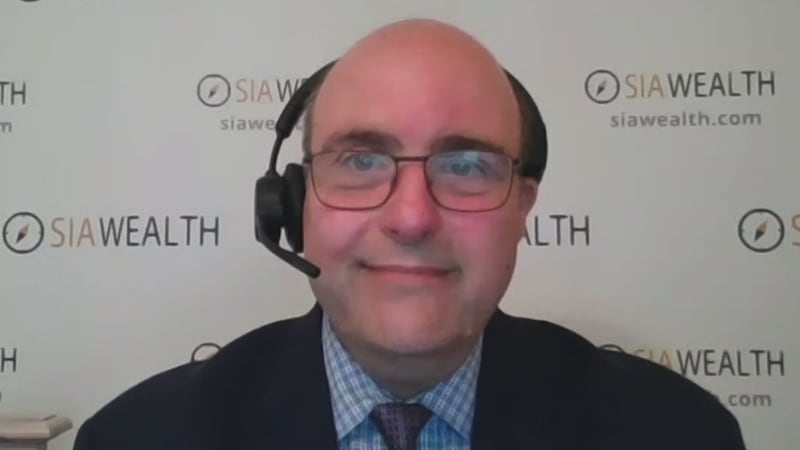
BNN Bloomberg spoke with Colin Cieszynski, portfolio manager and chief market strategist at SIA Wealth Management, about the reaction to the June U.S. nonfarm payrolls report, the U.S. dollar’s decline, the outlook for commodities including gold and oil, and continued volatility in AI-related stocks.
Key Takeaways
- Weaker-than-expected U.S. employment data reduced expectations that the Federal Reserve will need to raise interest rates.
- The U.S. dollar fell as investors shifted away from safe-haven and higher-rate expectations following the jobs report.
- Falling crude oil prices may ease inflation pressures, although higher gasoline and copper prices remain important to watch.
- Gold rallied as the weaker U.S. dollar removed a major headwind for the precious metal.
- Despite recent volatility, AI and technology stocks continue to lead relative strength rankings and remain sector leaders.
Read the full transcript below:
LINDSAY: So we’re going to continue with U.S. jobs data because the report shows an increase of 57,000 jobs added last month, but that’s below the 115,000 jobs expected by most economists. So let’s get some perspective now from Colin Cieszynski, portfolio manager and chief market strategist at SIA Wealth Management. Good morning, great to have you join us.
COLIN: Oh, thanks. Good morning, Lindsay.
LINDSAY: So, let’s start with the jobs data. What’s your takeaways from what you saw in this U.S. jobs report? Do you feel that it is a big driver and could maybe affect rate decisions down the line?
COLIN: Absolutely. This one is particularly important because while we were celebrating Canada Day yesterday, Fed Chair Kevin Warsh was out speaking, and he had raised concerns about rising inflation, and that had pushed up the U.S. dollar, pushed up Treasury yields and raised concerns that, well, gee, maybe the Fed might raise interest rates sometime soon. They do have a meeting at the end of this month, so that was kind of weighing on the markets a little bit yesterday in the States. Then today we had this abrupt reversal, where we had this much lower-than-expected nonfarm payrolls report, which confirmed a lower-than-expected ADP private-sector payrolls report from yesterday. At the same time, as you mentioned, the price of crude oil is continuing to come down, so at the same time that there’s concerns about inflation in the numbers we’re seeing, the other side of which is, well, employment might not be overheating, commodity prices are starting to come back down, and maybe this inflation fear isn’t quite as bad as Warsh was suggesting. As such, we saw, boom, the U.S. dollar sold off, gold is rallying and stock markets are rallying, so it was quite an abrupt shift in sentiment this morning.
LINDSAY: Let’s talk about the U.S. dollar, then, because you just mentioned that it seems under some downward pressure today. As you said, the yen is strengthening. What are some of the key kind of factors behind the U.S. dollar’s recent weakness?
COLIN: I think primarily what we’re seeing is that it has gone back from a lot of this year, it was this safe-haven play around the war, and we saw that playing out in gold, we’ve seen that playing out in the U.S. dollar. But what’s happening is, now that the tensions in the war are dying down, the focus has shifted back to interest rates. We had seen the U.S. dollar strengthening against a lot of things because there’s been some questions about, especially since the last Fed meeting, that the Fed’s next move might be an increase, a hike, rather than a decrease that people had thought for the last couple of years. So it’s been a shift, but today we’re seeing, for the first time, the potential that that sentiment might be shifting back the other way again, back to at least neutrality, if not easing.
LINDSAY: I know we talked about Kevin Warsh already, and inflation. We also, you were talking about crude oil prices. Now we’re seeing them dropping. I wonder if the decline in oil could change the outlook for interest rates, or are there other factors here that could be more important down the line?
COLIN: It depends on how continuing negotiations on the war go. If we do see the Strait of Hormuz open back up meaningfully and stay that way, then we’ve seen crude oil has come back on, but what’s more important, actually, is the follow-on commodities. So crude oil is kind of back to where it was before the war started. Gasoline is not. Gasoline is still higher, and that’s what consumers are noticing at the pumps. Copper is still higher as well. Now, copper may not come down as much because you will get demand for resources from reconstruction, and so that’s important too. But the interesting one we’re actually seeing today is gold and silver. Today’s decline in the U.S. dollar has lit a fire under gold today. It’s probably having its best day in quite a long time. Gold had been trending down since March, but it’s spiking today.
LINDSAY: It’s interesting when you talk about gasoline. I was actually asked about that yesterday by someone. It’s like, why are gas prices going up, really, it seems, when oil is falling? What do you make about that? And let’s talk a little bit more about gold and what you’re seeing there as well, because it is interesting seeing it start to see some gains again, at least for now.
COLIN: Absolutely. I think what we’re seeing with gasoline, and it’s common, is it does lag a little bit, and it’ll likely get there eventually. But at the same time, with gasoline having to go through refineries and everything else in that supply, just because the crude oil supply shifts doesn’t necessarily mean the refined product supply shifts, or at least not right away. Something we found out in this war with not just gasoline, but even things like fertilizers, there were a lot of refined products that also are impacted by the closure of the Strait of Hormuz, so that all takes a while for it to sort itself out. In terms of gold, I see it less as immediately bullish for gold, and more that it’s removed a headwind. Gold and the U.S. dollar are natural enemies of each other. I call them each other’s nemeses, and today what we’re seeing is that we’ve had the U.S. dollar climbing, we’ve had this kind of fear about the war easing, and gold has been coming down for three months now. Today I think the pop in gold is mostly being driven by the fact that the U.S. dollar has backed off.
LINDSAY: Got it. Okay, I wanted to ask you about the volatility we’ve been seeing in AI as well before we wrap up here because tech stocks this week have been up and down. What’s your take on the AI trade right now? Are you staying away from it? Do you think it’s time to at least diversify? What are your thoughts?
COLIN: Right now, I looked at our reports and our relative strength rankings based on who’s winning the battles, and what’s important about that is it tells us who’s leading, and it tells us when things change, and it tells us when there’s a serious trend change, and when it’s just something chopping and trading in the markets. AI’s had a pretty wild week in the markets. I mean, they could do no wrong on Tuesday, and then Wednesday everything sold off after Meta said that they might lease out some of their excess computing space, and now today they’re kind of trying to bounce back again, and we’re seeing that the Nasdaq is up this morning. So it is choppy and it is volatile, but as I looked at our rankings yesterday, nothing changed. A lot of these tech and AI stocks remained up at the top of the ranks. They’re still outperforming, even though I think you may see short-term corrections and a lot of noise in the market. But overall, we’ve seen that after that big rally that things are still holding up right now. We are heading into the summer. The start of earnings season is again in a couple of weeks, so we may see more volatility. But right now it’s still been the sector that’s attracted a lot of capital and a lot of interest.
LINDSAY: Okay, Colin Cieszynski, portfolio manager and chief market strategist at SIA Wealth Management. Appreciate your time. Thanks for joining us.
---
This BNN Bloomberg summary and transcript of the July 2, 2026 interview with Colin Cieszynski are published with the assistance of AI. Original research, interview questions and added context was created by BNN Bloomberg journalists. An editor also reviewed this material before it was published to ensure its accuracy and adherence with BNN Bloomberg editorial policies and standards.