Corporate earnings are arriving as higher oil prices and geopolitical tensions complicate the investment landscape. The uneven backdrop is raising questions about where portfolios can still find attractive opportunities.
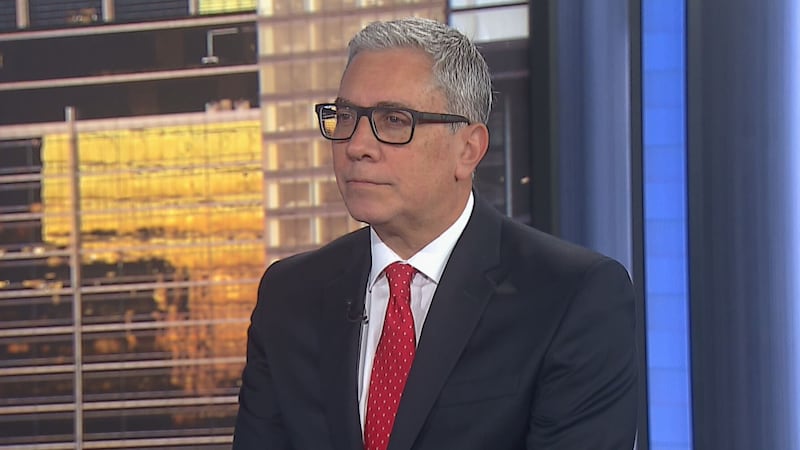
BNN Bloomberg spoke with Ted Rechtshaffen, president and CEO of TriDelta Private Wealth, about portfolio positioning and the balance between growth, value and income.
Key Takeaways
- Valuations appear stretched in U.S. technology and Canadian banking, limiting their appeal for new investments.
- Pfizer’s seven per cent dividend, cash flow and developing drug pipeline could make it a defensive option during volatility.
- Utilities stand to benefit from rising electricity, water and energy requirements while offering defensive characteristics.
- Real estate remains less attractive overall, although lower valuations have created selective opportunities in office and retail properties.
- Tariffs and volatile oil prices could keep inflation elevated despite signs that some price pressures are becoming more muted.
Read the full transcript beliow:
ROGER: Some stocks are pulling back as investors continue to navigate higher oil prices, geopolitical tensions and another wave of corporate earnings. At the same time, questions remain about whether strong profits can continue supporting elevated market valuations. For more on this, we’re joined by Ted Rechtshaffen, president and CEO of TriDelta Private Wealth. And Ted, thanks very much for joining us today.
TED: Thank you.
ROGER: Okay, we have all kinds of things going on. Let’s talk about some of the sectors first. Which ones are you looking at that you’re thinking they’re a little too much right now and maybe shying away from?
TED: Well, there’s, there’s quite a few of those. Certainly, you know—
ROGER: Which is a good thing in some ways. It means they’re doing well.
TED: It is, certainly. I mean, there is, in, in, in the tech space, in particular in the U.S., we think valuations are stretched. Interestingly enough, in the Canadian financial services space, banking space, we think valuations are stretched pretty high. We, we like banks, but you can only pay so much for them. So those are sort of key areas that we think are overvalued, and we’re sort of looking for other places to invest new money.
ROGER: I mean, those are the ones that get all the conversation right now. Are there other ones, though, that you think might be pushed a little high right now?
TED: Well, you know, I think there’s always things in any, anything. The reality is anything that’s in the AI-related spaces, right? You know, data centres can only be, you know, go up so high, and there’s only so much money that can be spent. But those would be, those would be probably the core areas that we think we’re trying to move away from a little bit.
ROGER: Now, one of the ones in your notes: consumer staples. What, what’s the concern there?
TED: Well, you know, it depends on the country. You know, in Canada, I think economically, you know, we’re struggling a little bit. Consumer staples certainly have some benefits in that space, but again, valuations and earnings are the key. You know, we always sort of step back and say, you know, it’s not necessarily, is it a good company or not? It’s, is it a good company at this price? And there’s a lot of things in the market that have just been moving up, and that’s one area.
ROGER: And with it, with the earnings coming out, what will you be looking for within consumer staples? Say, some key earnings notes, things that might catch your eye the most.
TED: You know, any—I mean, obviously, it’s company-by-company specific, but anything that, that really is driving, you know, lower interest rates, lower unemployment, any, anything that was positive in those spaces would be really great. But we’re seeing a little bit different, especially in Canada.
ROGER: And what about down in the States? Similar situation?
TED: It’s a little bit better in the U.S. I mean, certainly on the employment side, things are better in the U.S. overall. The inflation side, there are inflation issues, but it seems to be, whether it’s muted a little bit or geopolitically, interest rates aren’t going to be as affected with inflation, it seems.
ROGER: But it’s been interesting with inflation in the U.S. because it’s been running hot for, what, two years now, I think, and yet they’re absorbing it still. Can they keep absorbing it, do you think?
TED: That’s a good question. I don’t think so. I think there’s just too many pieces that are, that are in play that would be pushing inflation. Obviously, oil is a big driver, and that’s been so variable lately and volatile. But, you know, there’s a lot of factors that you just can’t—you can’t have tariffs on the world and then say, yeah, we’re just not going to have any inflation as a result of that.
ROGER: All right, where do you see some opportunities in the U.S.? I mean, we talked about, obviously, tech is a concern. Financials, they had some amazing reports, but they’re vulnerable. Where do you see opportunities?
TED: So, you know, there are, there are names out there that I think are kind of interesting. So, in the health-care space, for example, you know, one of the companies we used to talk about during COVID all the time was Pfizer. You don’t hear about Pfizer anymore. The stock’s been really in rough shape for a little while. But Pfizer pays a seven per cent dividend. Pfizer has good cash flow. Pfizer has, you know—it’s kind of like in sports, you got your minor-league system. Well, it was bare for a little while. It’s starting to bear fruit for them, and we think it’s just a safe place. If you’re nervous about markets, it’s a safe place to be in names like that.
ROGER: And does it feel like health is turning it around? I mean, it kind of feels like it’s wandered a little bit.
TED: It, again, it’s company-by-company specific. Obviously, the obesity space has been driving a lot of it, and we’ll watch for more of that.
ROGER: All right, and another—a couple of others that you’re looking at that you kind of like: utilities and real estate. Real estate’s gone through—not, it doesn’t feel like they’ve had as much of a beating in the States, maybe, as up here, but still some challenges. But you think, you think it’s turning around?
TED: Well, I mean, utilities, yes. So utilities, certainly, there’s a lot in terms of, you know, just electricity demand in all sorts of spaces, you know, water demand. There’s all these energy requirements that, that utilities not only have the safety factor that we tend to like, but the demands on that space will be very large. Real estate, I—it’s probably a little bit less of an area that we’re looking at. You know, there’s always, there’s always pieces and components that we like, but overall, I’d say it’s still an area that we’re not as strong on at the moment.
ROGER: Not as strong, okay. But there are regions or subsectors.
TED: Well, you know what? We had been big fans in sort of the student housing space as sort of an, of an area that was kind of an island to its own that had been really strong, and there were some great investments in that area. Even that seems to be softening a little bit, and so, you know, office space is improving. Some of the valuations are low, so there is some, you know, RioCan that we’ve been, we’ve been investing in and seeing some gains in there. So there are some spaces there, but overall, as a sector, we’re still not too bullish on it.
ROGER: And just going quickly back to utilities, then I want to mention that TriDelta Growth Fund. Any concerns with the, with data centres? And there’s been a bit of a blowback. Any concerns that utilities might pay for that as well?
TED: Well, there’s—blowback is one thing. I mean, the TriDelta Growth Fund you mentioned, I mean, it’s the number one global equity fund in Canada over the last seven years. So we’ve been doing a lot of things right. One of the things that we, that we’ve been doing is, you know, we try and be half a step ahead from where things were at, but it’s half a step, right? So, you know, you look at data centres, and the numbers have been fantastic, but they’re not slowing down at the moment. So we’re not, we’re not ready to jump out of that space yet. But, you know, there definitely are other areas that are cheaper in the market, value-wise, that we’ve been, we’ve been kind of shifting a little bit to.
ROGER: And within the fund, what are some of the, what are some of the names that have done well? Are there certain names that have done really well for you?
TED: Well, they’ve been great ones. I mean, Extendicare has been great. You know, Micron has been great. Bombardier has been great. What’s interesting—and we also had Celestica for quite a while—what’s interesting is these are names that, at the time, people hated. They were in the penalty box. Nobody wanted to own Bombardier, but we sort of looked and we said, you know, there’s a story there. The valuations are so low. Let’s get in, and that’s a theme that we try and do more and more with our fund.
ROGER: And some in there, which ones have not performed as well as you’d like?
TED: Well, you know what? There’s all, there’s always some names that, that don’t perform well. I’m just taking a look. You know, there was a, there’s a company, Albemarle, which we got into, but it’s been very volatile. So it’s one of those we believe in. To date, it hasn’t done well for us, but we still are a believer in it.
ROGER: All right, we’re going to wrap it up there, Ted. But thanks very much for coming in and into the studio. It’s always nice to chat in person.
TED: Yes, thank you.
ROGER: That’s Ted Rechtshaffen, president and CEO of TriDelta Private Wealth.
---
This BNN Bloomberg summary and transcript of the July 22, 2026 interview with Ted Rechtshaffen are published with the assistance of AI. Original research, interview questions and added context was created by BNN Bloomberg journalists. An editor also reviewed this material before it was published to ensure its accuracy and adherence with BNN Bloomberg editorial policies and standards.

