International real estate is attracting investors seeking monthly cash flow and opportunities beyond traditional domestic properties. Boutique hotels and vacation rentals are among the assets drawing interest in Europe and Latin America.
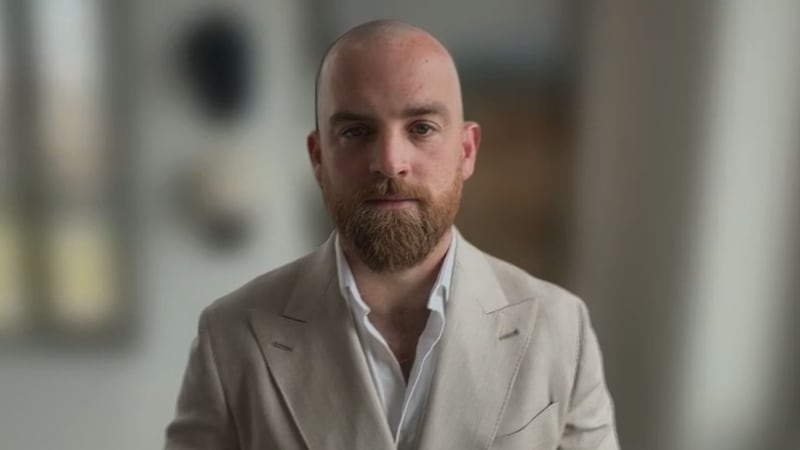
BNN Bloomberg spoke with Eric Klein, founder and CEO of Sonno Homes, about the company’s joint-venture model and the factors investors should consider before entering an unfamiliar market.
Key Takeaways
- A knowledgeable local team can help investors navigate language barriers, regulations and property operations.
- Many independent hotels lack succession plans, creating potential acquisition and modernization opportunities.
- Colombia, Spain, Panama and Portugal are among the markets drawing interest from international property investors.
- Demand is shifting toward properties that appeal to remote workers and investors seeking lifestyle benefits.
- International hospitality investments can carry business and operating risks that differ from those of traditional real estate holdings.
Read the full transcript below:
ROGER: As investors look beyond their home markets for diversification and growth, international real estate is attracting increasing attention, from hotels to other commercial assets. Where are the opportunities? Let’s get more on this from Eric Klein, founder and CEO of Sonno Homes. Eric, thanks very much for joining us.
ERIC: Hey, guys. Good morning. It’s great to be here.
ROGER: Okay, people, when they think about investing, they probably think more markets right away. So, when you’re looking at international, what are some of the things people should be aware of when they’re looking overseas for opportunities?
ERIC: Yeah, I think primarily, when you’re looking at investing into a new market abroad, I think the team on the ground is something that you really want to be aware of. And if you have the ability, I mean, language barriers are going to be an issue. Different regulations are going to be either problematic or beneficial, depending on the market that you’re looking at. So, I think most of the time, when investors are looking abroad, they’ve already spent a couple years going there and trying to do it themselves. So, I think having the right team in place for you to really operate and optimize, if you’re looking at investing into whether it’s a hotel or a vacation rental, is probably the most important factor.
GREG: Eric, great story. I’m interested. Are you structured as a REIT? Is this private? Any plans to become public one day?
ERIC: I mean, we have big goals. It’s been a really great journey for the last six years. We’ve really been on the ground doing what we’re doing. But no, we’re not a REIT. We do things a little bit differently. I mean, the traditional route would be, you know, to get involved in a REIT or a fund, but we actually participate primarily through joint ventures with our investors, which gives them access — direct access — to the hotels that we operate, rather than just being an LP. But the goal is quite large. I would love to say that we would go public one day, but slow and steady.
ROGER: And there are opportunities. I was looking at some of your notes: 77 per cent — three-quarters — of hotels across Europe and South America are still independent. Are they open to investment?
ERIC: Yeah, they are, and it’s a really big market right now. We’ve seen a lot of demand pretty much since 2020. But yeah, over 77 per cent of these hotels, primarily in Europe and South America, are mom-and-pop shops. They’re unbranded. They have no succession plan. They’re over 60 years old. They’re ready to retire. So, you know, private equity firms not dissimilar to ours, they’re coming in there, and they’re really — you know, there’s a lot of opportunity there. Whether you’re looking at digitizing these — you know, what we primarily do is look at converting and gearing toward the nomads, the remote workforce. But it’s a big opportunity right now to come in and brand and really use social media and use marketing and digitize a lot of that. So that’s really what we’re focusing on and what we have been focusing on for the last couple years. Yeah.
GREG: Where are you finding the biggest opportunities right now? Is it in Europe? Is it in South America? And, you know, what percentage allocation around the world are you guys?
ERIC: Yeah. So right now, we’re — you know, we started in Colombia back in 2020, 2021. A lot of interest has come into Colombia, specifically Medellín and Cartagena, but also Spain. We’ve seen a lot of interest in Spain, Italy. We just launched into Portugal as well. So we’re not around the world just yet. We’re in Spain, Colombia, Panama and Portugal. The idea is to go global, but a lot of our interest — we listen to the market, we listen to trends and we watch what’s happening, primarily with, you know, residence visas, nomad visas, things like that. I think newer investors are extremely mobile, and it’s not just about the yield anymore. It’s more about something that fits their lifestyle, whether they want to go there, something that they’re proud to invest in. But I would say, you know, I’m a big advocate for Latin America. You know, if you look at their GDP and its growth the last couple years, I would say we’re probably 50-50 Latin America, Europe, right now.
ROGER: And can retail investors get involved with this? And what kind of returns are they looking at? And how does it work?
ERIC: Yeah, so we’re a little bit different, right? So, the way that we operate is you essentially become a joint-venture partner of ours. So, we have a whole application process, but you would be — you would have to be comfortable with it. We do a full, you know, onboarding call. We do several calls with my team. You have to understand the product. A lot of what we do is operated as a business. It’s a hospitality or a hotel business. So, if you’re looking for something that’s more traditional in the equity market, this wouldn’t be it. But this — we’re seeing a lot, a lot of demand for people wanting to diversify. But there is an application process. We have to make sure that we’re, you know, a fit for one another because we are going to be joint-venture partners at the end of the day. And we do it on a project-by-project basis, whether it’s a 20-unit boutique hotel or an experience-driven, you know, super boutique that’s six to eight units.
GREG: Is that application process — is it subject to, you know, regulations here, like the usual, you know, 150,000 sort of thing? Or is it your own individual — you know, are you more open than that?
ERIC: Yeah, we’re a little bit more open. I mean, we’re obviously watching and following what we need to do in terms of regulation, but this doesn’t necessarily fit into that basket. The application process is to understand what they’re traditionally investing in and if they’ve invested in businesses before, if they want to come down and look at the project with us, and really understand that we’re going to be business partners at the end of the day. But if that changes, you know, we’re going to be the first to really follow that. But as of right now, it hasn’t. We haven’t been told of anything that we need to fall in line with that because they are joint ventures. You’re essentially becoming a voting partner and own a business with us. So, yeah.
GREG: So, Eric, is the business — I think you said it’s not really yield-focused like REITs. It’s more of an investment, capital appreciation. Go in and find these properties, turn them around and surface value. Do I got that right?
ERIC: Yeah, yeah, that’s exactly right. It is more geared toward the monthly cash flow. I mean, we’ve done over 250 units to date, and all of those really are focused on the monthly cash flow. So, I’ll give you guys an example. If we were to go — you know, we spend months sourcing a hotel, whether it’s going to be in Medellín or if it’s going to be in Granada, Spain, and we’ll actually onboard that. We’ll sign otherwise, and we’ll invest in that hotel with our guys. But the primary focus for us is to generate that monthly cash flow, whether it’s a five-year trajectory, a 10-year trajectory, and optimize that so that, you know, we add the value, we increase the revenue and we can look at an exit because it is a business at the end of the day. So, it is more cash flow on a monthly basis rather than, you know, hoping that the value of the property will continue to rise. And I think if you look at what’s happening, you know, in certain markets in Canada and the U.S. and South Florida, it’s getting a little tricky, with most traditional real estate being so focused on the leverage side of things. People want — or what we’ve seen in the last couple years is they want to grow that cash flow every single month as a business partner of ours.
ROGER: And when it comes to regulations, do you fall under Canadian regulations, local regulations? How does that work?
ERIC: Yeah, so we’re a U.S. company, so we follow what’s going on in the United States. We do have certain Canadian clients. We have clients all around the world, but it would fall under the United States. That’s primarily where we’re based, and then, obviously, we have subsidiaries in countries that we operate.
ROGER: All right, we got to wrap it up there, Eric. But thank you very much for joining us.
ERIC: Awesome. Thank you, guys.
ROGER: Eric Klein, founder and CEO of Sonno Homes.
---
This BNN Bloomberg summary and transcript of the Sept. 18, 2026 interview with Eric Klein are published with the assistance of AI. Original research, interview questions and added context was created by BNN Bloomberg journalists. An editor also reviewed this material before it was published to ensure its accuracy and adherence with BNN Bloomberg editorial policies and standards.

