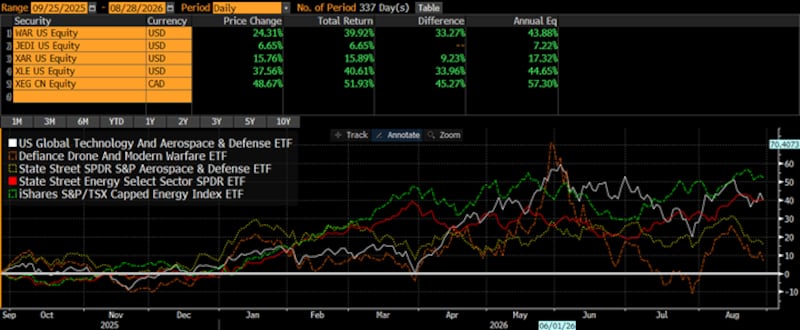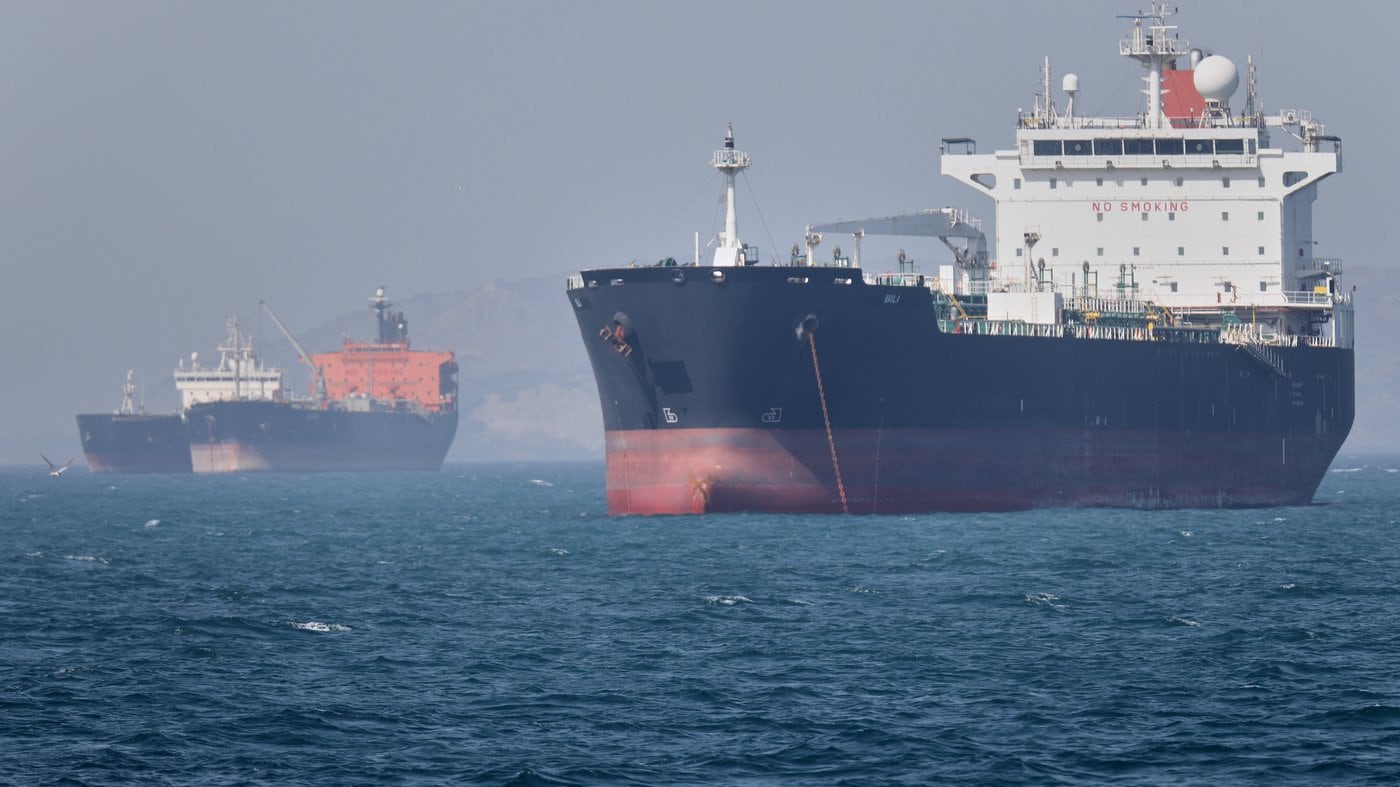
When we think about investment implications originating from the middle east, we think about world oil prices and inflationary implications. Over the life of the IRGC, 9/11, and terrorism in the past 40 years, we can see that oil prices have a very high correlation with U.S. CPI.
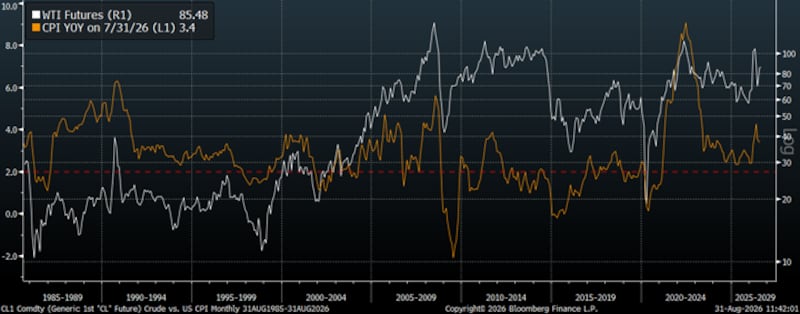
With less globalization and increased tensions with Iran, the FOMCs 2 per cent CPI target will be hard to reach with policy tweaks. After Warsh’s Jackson Hole speech, the market seems to be pricing in a higher for longer policy path. While I do not believe that a rate hike will slow the AI capex, lower oil prices, or help with the inflationary impact of tariffs, the bond market believes that a few rate hikes are possible in the coming months. If they are only going to be tweaks, it should not matter too much. Keeping the longer-term cost of financing the growing debt burden will be the focus of this FOMC along with cooperation and coordination from Treasury.
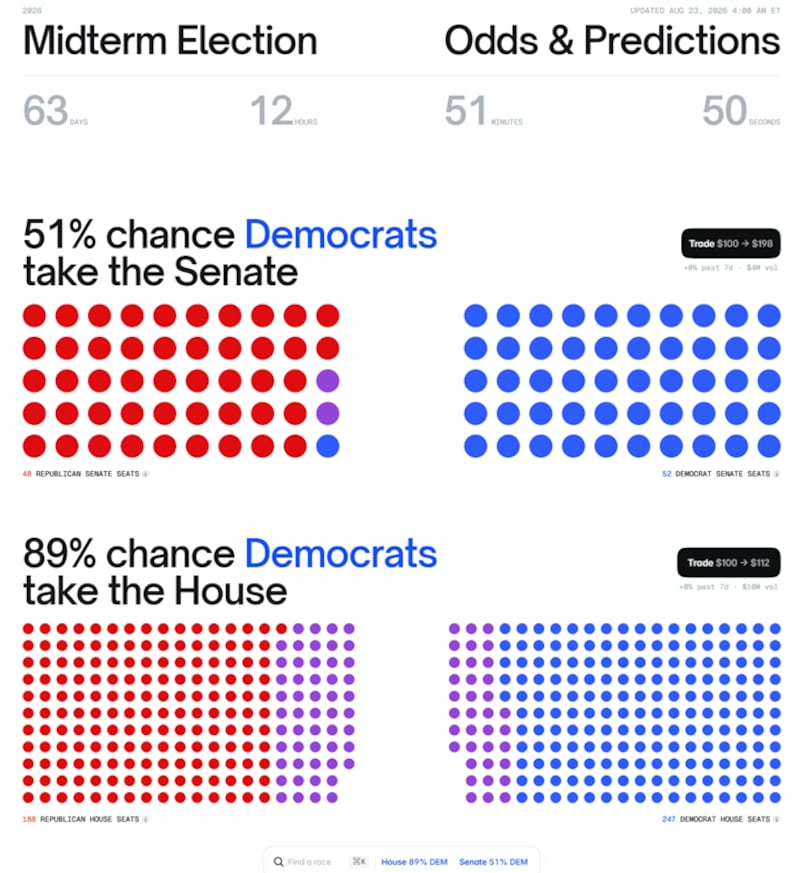
Bottom line, Congress needs to spend less and we’ll see what the mid-terms bring. Right now, it looks like a slight possibility both houses go to the Dems. That suggests not much gets done and the fiscal cliff has a breaking impact on the U.S. economy.
We have a strong view that post U.S. elections, Trump will escalate with Iran and attempt full regime change. From a market perspective, buying weakness in energy sector or defence sectors makes sense for a portfolio trade. Longer-term, if successful, we have more peaceful oil and gas supply and one less state sponsor of terror in the world. It’s a trade, not an investment.