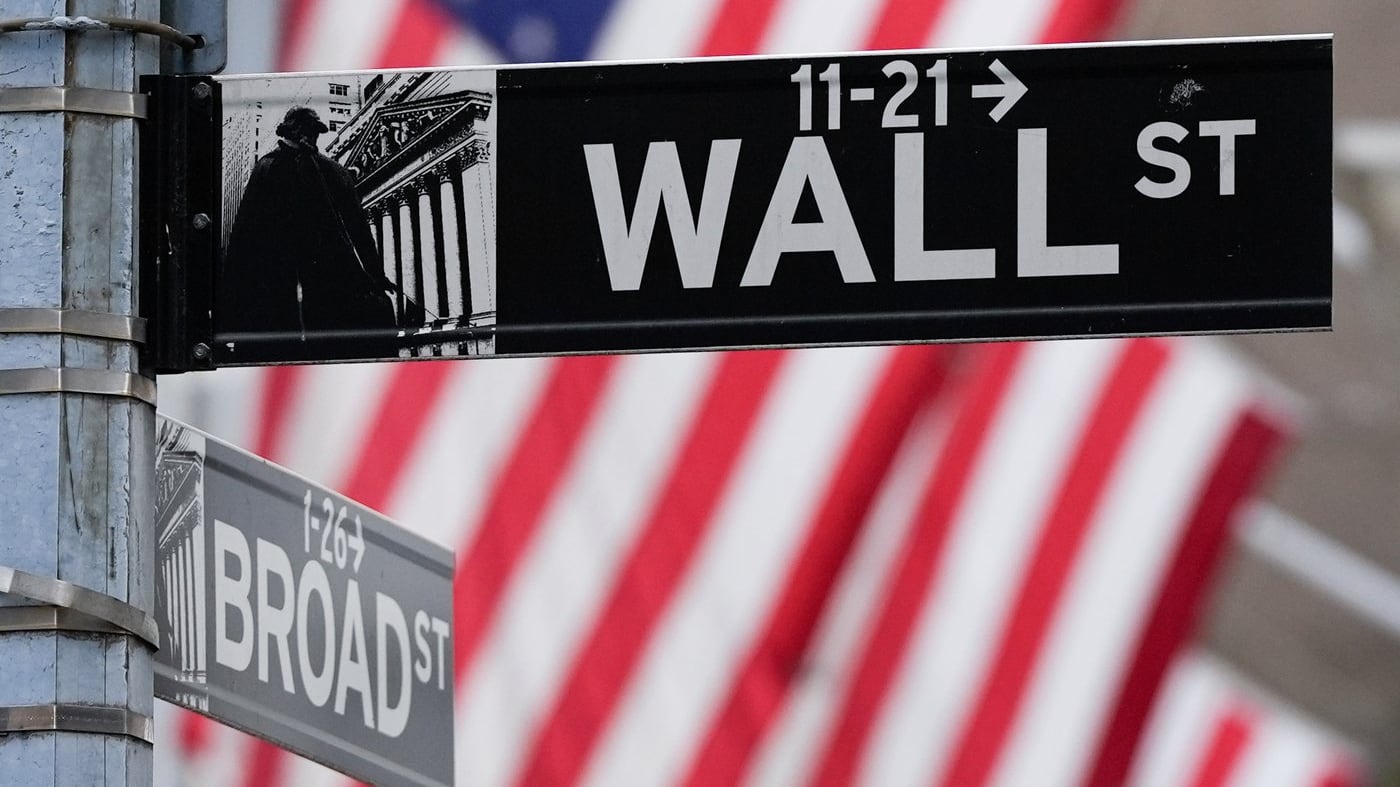
Investors rarely find a perfect scorecard in financial markets. Yet one has emerged from a somewhat unlikely place: U.S. midterm elections.
Nineteen elections. Nineteen positive returns.
That’s the remarkable record of the S&P 500 in the 12 months following U.S. midterm elections since 1950. Even by Wall Street standards, such consistency is extraordinary.
With Americans heading to the polls next Tuesday, Nov. 3, the natural question is whether Wall Street can extend that streak to 20. For Canadian investors, however, there is another interesting question: Has our own stock market enjoyed the same post-election boost?
The numbers behind the pattern
My analysis of Bloomberg data covering all 19 U.S. midterm elections since 1950 reveals a striking historical pattern: the S&P 500 advanced in every subsequent 12-month period, generating an average price return of 15.1 per cent, excluding dividends.
Despite numerous economic cycles, recessions, changes in monetary policy and periods of heightened market volatility, the index finished higher in every one of those periods.
However, the historical record should not be interpreted as a guarantee of future gains. Nineteen observations represent a somewhat small sample, and equities have historically risen over most ordinary 12-month holding periods, regardless of the election calendar.
Nevertheless, an uninterrupted winning streak spanning more than seven decades is particularly noteworthy.
Canada’s encouraging but less consistent record
Applying the same analysis to the S&P/TSX Composite Index reveals a less consistent but nevertheless positive historical pattern.
The Canadian benchmark advanced in 14 of the 19 post-midterm periods, representing a 74 per cent success rate, compared with the S&P 500’s perfect record. The TSX generated an average gain of 11.6 per cent, compared with 15.1 per cent for its U.S. counterpart.
The differences also reflect the composition of the two markets. The TSX has greater exposure to financials, energy, and materials, while the S&P 500 has a larger technology weighting. Commodity prices, global economic growth and sector leadership can therefore cause the two indices to diverge, even when broader investor sentiment improves.
Which sectors have benefited most?
Looking beyond the broader indices, sector performance reveals several notable historical trends. With the Bloomberg sector data used in my analysis beginning in 1990, the results cover nine midterm election cycles rather than the 19 examined for the broader markets.
The sector-level findings are particularly noteworthy. Technology has been the standout performer, generating an average 12-month post-midterm price return of 30.9 per cent, with gains in all nine periods examined.
Industrials have also demonstrated remarkable consistency, advancing in all nine periods with an average return of 13.5 per cent. Consumer discretionary stocks generated an average gain of 17 per cent, recording positive returns in eight of nine periods.
The strength in technology and industrials is particularly interesting given the importance of corporate capital expenditure to both sectors. Looking ahead, continued investment in artificial intelligence, data centres, power generation and electrical infrastructure could provide additional drivers for earnings growth.
However, increased capital spending does not automatically translate into higher stock prices. Ultimately, sustained earnings growth, attractive returns on capital and reasonable valuations will be critical in determining which companies benefit most.
Why markets may welcome the aftermath
One potential explanation for the historical pattern is the easing in policy uncertainty following elections. As the political outlook becomes clearer, investor attention can shift toward corporate earnings, monetary policy, and the broader macroeconomic landscape.
Historically weaker or more volatile market performance during some midterm election years may also have contributed to stronger subsequent recoveries.
Still, correlation is not causation. While the historical pattern is compelling, it does not establish that elections themselves are responsible for the subsequent market gains.
What matters for investors?
Financial markets frequently anticipate political developments well before election results become official. Investors waiting for the political dust to settle may discover that stock prices have already moved higher.
A positive 12-month return also says little about the journey. Even when stocks finish higher, investors can experience sharp corrections and considerable volatility along the way.
Looking ahead to 2027, corporate earnings growth, sustained capital investment, interest rates, and valuations are likely to play a much greater role in shaping market performance than the election calendar itself.
Whether Wall Street extends its remarkable post-midterm winning streak to 20 remains to be seen.
Ultimately, sustained investment success requires discipline, a focus on earnings growth, appropriate valuations and a long-term perspective, with portfolio decisions made within the context of each client’s broader total wealth plan.