If you enjoy a good night’s sleep, there’s reason to sleep a little deeper.
Yields on fixed income products such as guaranteed investment certificates (GICs) are inching up - reaching as much as 4.5 per cent.
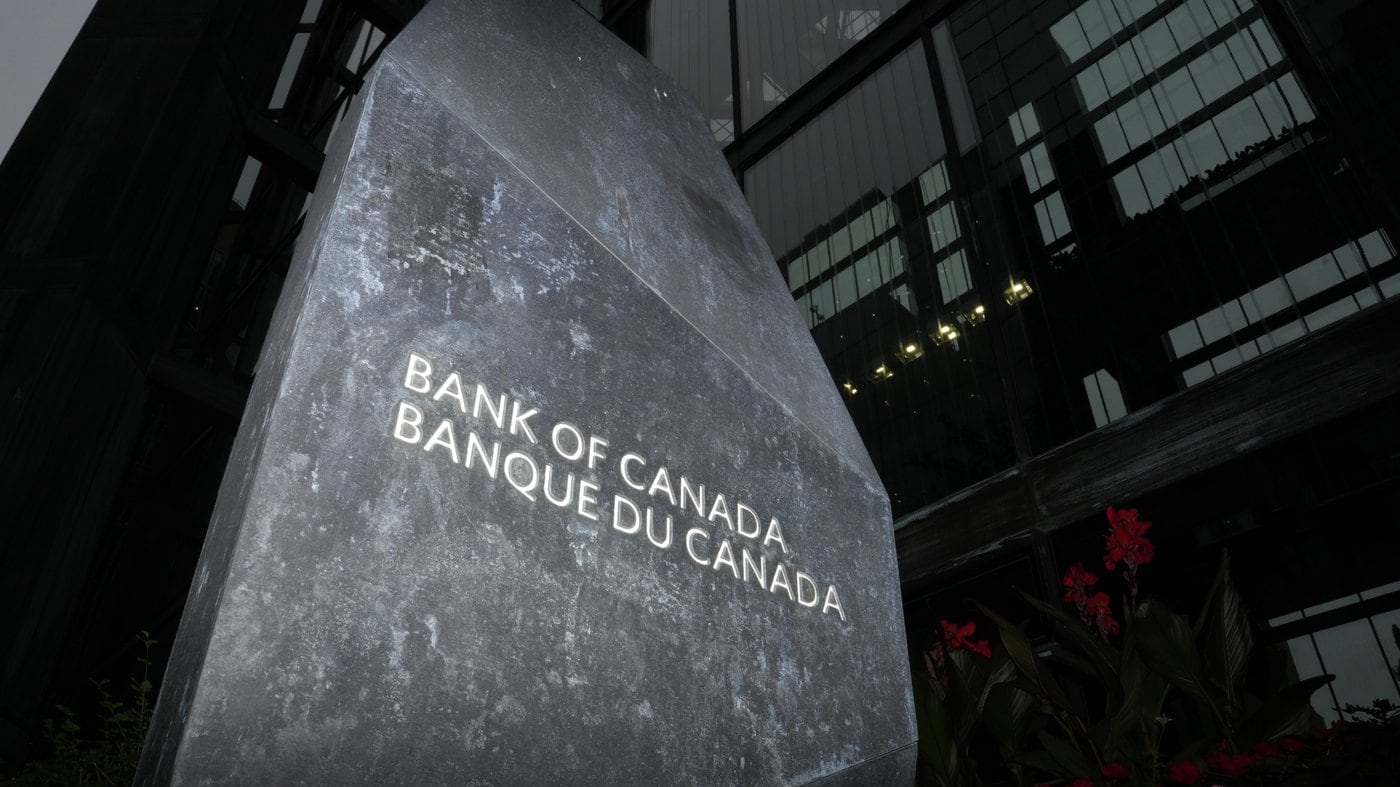
Pressure for borrowers to pay up comes on the heels of last week’s Bank of Canada decision to increase its trend setting lending rate to 2.5 per cent. The 25 basis point hike was the first in three years, and market indicators suggest it might remain near or slightly above current levels heading into 2027.
It all depends on what the central bank calls “sticky inflation.” Statistics Canada reported inflation rose to 3.1 per cent in September from three per cent in August. The BoC expects inflation to average about three per cent in 2027 - well above its two per cent target.
Yields tend to follow the bank rate
As borrowers pay more to borrow, savers will save more. According to Ratehub, one- to five-year GICs currently yield between 2.5 per cent and 4.5 per cent. The gap - or spread - between rates is wide, so it pays to shop around.
The gap between GIC yields and the benchmark rate has also widened. Ratehub currently pegs the average one-year payout from major banks between three per cent and 3.75 per cent. That’s a 50 to 125 basis point spread compared with 65 last year, zero in 2024 and 10 in 2023.
Why fixed income is important for a retirement portfolio
A set portion of GICs, and other fixed income products like investment-grade government and corporate bonds, acts as a stabilizer to the more volatile equity portion of an investment portfolio. You can count on more buoyancy when markets tank.
Equity returns are historically higher but fixed income should generate reliable returns that compound over time and provide a steady stream of cash in retirement.
Retirement investors will generally hold fixed income to maturity, unlike professional bond traders or bond funds which seek gains by trading existing debt to take advantage of short-term fluctuations in interest rates.
There are strategies for retirement investors to maximize fixed income returns by staggering maturities to take advantage of the best going yields as often as possible.
The most common strategy, known as laddering, ladders maturities over a fixed period of time.
Tax perks from fixed-income
In addition to hedging risk, fixed income investments can also generate tax savings in most registered accounts.
Interest payouts in a tax free savings account (TFSA) are not taxed. Tax on yields in a registered retirement savings plan (RRSP) is deferred until withdrawn - ideally, at a low marginal rate in retirement.
In comparison, fixed income investment yields are fully taxed as individual income outside a registered account.
Striking the right mix
There is no single set of rules when it comes to managing a fixed income portfolio for individuals. The portion of fixed income in the overall portfolio, the total duration of a ladder, and the types of fixed income investments depend on when and how the investor wants to retire.
The right mix between fixed income and equities also depends on the individual investor, but a qualified advisor can help formulate strategies to maximize fixed income returns.
A general rule is to allocate a percentage of your portfolio to fixed income equal to your age. In other words; if you are 60 years old, 60 per cent of your portfolio should be invested in fixed income.
As you age, your nest-egg becomes more secure.