


Navigating insurance can be overwhelming as southern Ontario residents continue to pick up the pieces after a destructive storm passed through on Wednesday.
Matt Hands, vice-president of insurance at Ratehub.ca, said to start by checking your insurance policy and figure out whether your home or vehicle is covered for damages caused by the storm.
Hands said most standard home insurance policies should cover wind- and hail-related damages, but they may not cover flooding.
For flood-related damages, he said homeowners should see if they have the added overland water coverage and potentially sewer backup coverage, depending on how water entered the home.
Similarly, not all auto insurance is built the same, Hands said. For example, a comprehensive auto insurance policy would cover flood, hail or wind damage, while basic policies may not have that.
“If your vehicle is damaged by wind, hail, or even flooded while it was parked, you’d want comprehensive coverage,” Hands said. “Were you driving and your vehicle was struck by something? Having collision (coverage) would be important.”
Without appropriate vehicle insurance coverage, owners might have to tow the car on their own dime and pay for damages out of pocket, he said.
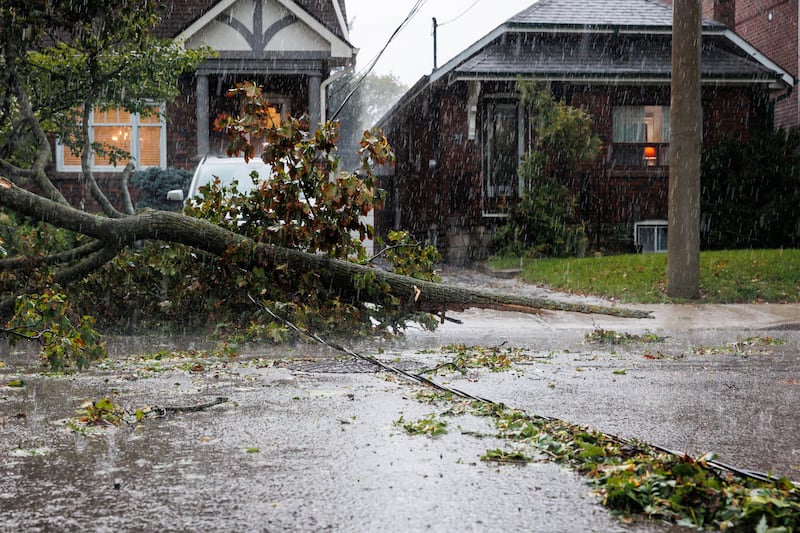
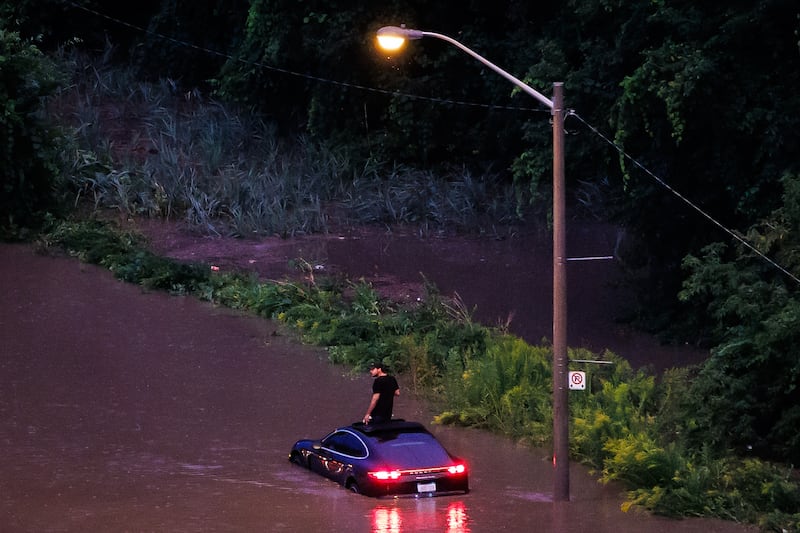
Images from the aftermath of the storm showed vehicles submerged in flooded waterways, trees toppled over properties and power lines, and in some cases, objects flying and hitting vehicles or homes after Wednesday’s destructive weather brought on strong winds and dumped more than 100 millimetres of rain in some parts of the region.
David Mayer, director of insurance at Rates.ca, said even though it’s been a couple of days since the storm, it’s crucial to prioritize safety.
For instance, if a home is structurally compromised because of flooding, don’t re-enter until you know it’s safe.
When submitting a claim, Hands said it’s important to remember your deductible, which is the amount the policyholder must pay themselves. It could be $500, $1,000 or more.
If a homeowner is dealing with flooding, $1,000 out of pocket is not going to be as significant, but if it’s a chipped window, it may cost a few hundred dollars to repair and may not make sense to submit a claim, he said.
Hands said it’s important to document the damage and get a claim started as early as possible, because other people will also be filing claims, which could backlog the system.
The Insurance Bureau of Canada recommended property owners take photos when documenting damage, call their insurance agent to report it, and if possible, show receipts, warranties or any proof of purchase.
It also asked people to remove wet or mould-damaged items but to also take photos for the claim before discarding them.
Hands said the process could take a while, especially after a significant weather event.
“It might take a few days to weeks or so, or even longer sometimes to be able to get your claim fully put through and the process to play itself out,” he said. “So, don’t be shocked if it takes a little bit longer than you’d expect during significant storms where a number of people have been affected in a short period of time.”
Some homeowners will likely see their insurance premiums rise upon renewal, Mayer warned.
“There are many home insurance providers who are providing a claims-free discount if you have not entered any home insurance claim in the last five years,” he said.
“It’s possible that on renewal, if you do make a claim, that discount can be removed.”
An analysis by Rates.ca shows home insurance premiums went up 6.2 per cent year-over-year in 2026. It estimates the average annual home insurance premium paid by Ontario residents is $2,235.
“Because of this event and other weather events that have been happening across the province in the spring and summertime, we may be looking at premiums going up again in 2027,” Mayer said.
For those who weren’t affected by the storm, Hands said it’s important to review their insurance to make sure they’re well protected and that they keep on top of their maintenance needs — gutters are clear and no big trees with loose branches that could hit your property, for example.
Insured losses from extreme weather events have been climbing over the last decade.
The insurance bureau estimates costs from extreme weather have averaged more than $3.7 billion annually, up from $1.4 billion in the previous decade.
Canada experienced its costliest year on record in 2024, with insured losses from extreme weather exceeding $9 billion. That’s also when a severe storm struck the Greater Toronto Area, flooding basements and drowning vehicles.
A higher number of claims from a certain region could push insurance premiums higher for everyone.
“The cost of insurance is only rising,” Hands said.
“Unfortunately, with severe weather events increasing and the amount of claims cost being paid out by insurers — (it) has a negative impact on the price we pay for insurance.”
---
Ritika Dubey, The Canadian Press
This report by The Canadian Press was first published Sept. 4, 2026.

