
Disseminated on Behalf of: XORTX Therapeutics Inc.
- XORTX Therapeutics is a late-stage pharmaceutical company focused on developing novel drug therapies to treat gout and progressive kidney disease.
- Its unique proprietary formulation of oxypurinol, XORLO™, has been clinically shown to reach therapeutic levels that match allopurinol’s effectiveness—the current standard of care for gout. In individuals who cannot tolerate allopurinol, approximately 70% could gain therapeutic relief from gout symptoms with oxypurinol, which demonstrates a safer profile and fewer side effects.
- The company is initially targeting U.S. patients that are intolerant to allopurinol, representing an addressable market projected at USD$2 billion.
No longer just a rich man’s disease
Gout is an intense form of inflammatory arthritis significantly caused by elevated serum uric acid (hyperuricemia) that can result in needle-like urate crystals forming in the joints. It can produce sudden and excruciatingly painful swelling and is commonly known for its appearance in the big toe. During a flareup, even the slightest brush of a bedsheet on the affected digit can send a person into writhing agony.
Hippocrates (460-375 BCE), the Greek physician, referred to gout as “the unwalkable disease” and “the arthritis of the rich.” For centuries gout was attributed to the wealthy’s overindulgence in the luxuries of red meat, rich foods, and alcohol.
A complex condition, gout is actually interlinked to multiple metabolic causes and effects through hyperuricemia as driven by genetics, diet, and lifestyle. Untreated, it can lead to permanent joint damage and affects millions worldwide, both periodically and chronically, regardless of their socioeconomic status or gender.
Gout can be accompanied by and coincident with other metabolic conditions including progressive kidney disease, cardiovascular disease, diabetes, insulin resistance, obesity, hypertension, metabolic syndrome, kidney stones, as well as hyperlipidemia, sleep apnea, and psoriasis.
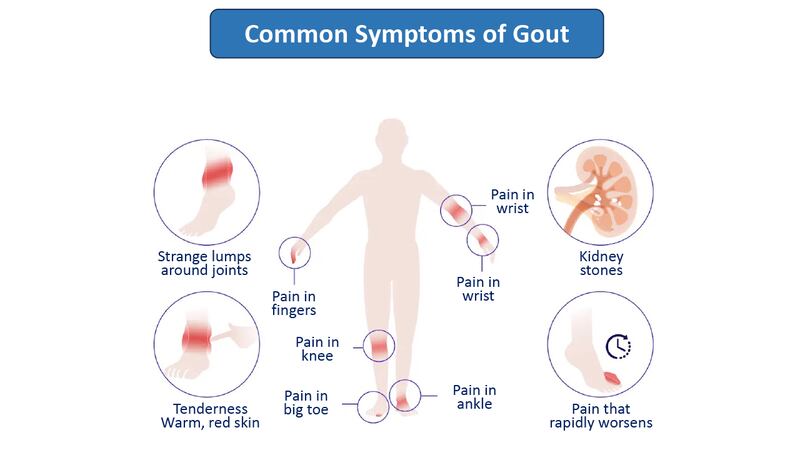
XORTX Therapeutics is advancing XORLO™ to improve the quality of life of gout patients who are intolerant to allopurinol.
XORTX Therapeutics Inc. (NASDAQ: XRTX | TSXV: XRTX | FSE: ANU), a late-stage clinical pharmaceutical company, pivoted to prioritize and accelerate its lead gout program in Q1 2025, while continuing to advance its other major program targeting progressive kidney disease (ADPKD).
With the filing of a New Drug Application (NDA) for XORLO™ just 12 months away and the FDA’s clarification on a regulatory pathway already in hand, the company could see marketing approval in as little as 24 months. Combined with a market cap of USD$4 million, the company is strategically positioning itself to attract the interest of big pharma for partnering, licensing, or acquisition of its drug formulations and technologies.
During metabolism of a drug, production of free oxygen radicals can be the basis for emerging side effects. Oxypurinol is absorbed but metabolized at less than 1% and then excreted unchanged, so it’s very clean and that helps to explain the low side effect profile that this drug has in comparison to allopurinol or febuxostat.
— Dr. Allen Davidoff, PhD, CEO of XORTX Therapeutics Inc.
A market for drug intolerance
While over 9 million Americans are affected by gout, another 47.1 million are affected by hyperuricemia and are at risk of developing gout. A recent study showed that 55.8 million people globally are estimated to have gout, with prevalence forecasted to rise by 70% over 25 years.
“Recent studies of genetic markers for hyperuricemia suggest that approximately 20% of individuals in the population may have genetic factors that lead to their high uric acid,” stated Dr. Allen Davidoff, PhD and CEO of XORTX Therapeutics. “When combined with other known factors such as diet and lifestyle choices, weight gain and high uric acid levels can promote symptoms that are widely recognized as a disease axis including pre-diabetes, diabetes and accompanying health consequences,” he added.
The current standard of care for chronic gout sufferers is allopurinol, a xanthine oxidase inhibitor that can reduce the production of uric acid in the body. About 3.5 million individuals in the U.S. have a daily prescription for the drug.
“It’s a good drug that was developed in the mid-60s,” said Davidoff, “but about 3%–5% of individuals have intolerance to allopurinol and exhibit skin rashes, liver enzyme elevations, and other side effects.”
Another drug called febuxostat was successfully introduced in 2010 as an alternative for those who couldn’t tolerate allopurinol. But according to Davidoff, after a strong market launch that saw annual sales increase to approximately USD$480 million, a black box warning within the product monograph for febuxostat resulted in product sales that are about USD$25 million, leaving an unmet medical need and substantial opportunity for XORTX’s XORLO™ drug in gout.
The company’s lead gout program is advancing an allopurinol alternative through a proprietary oral formulation of oxypurinol called XORLO™, which is also a xanthine oxidase inhibitor. It has been clinically shown to approximate allopurinol’s effectiveness, and utility in individuals who cannot tolerate allopurinol. It is a drug that is minimally metabolized, and this is a consequential consideration.
“During metabolism of a drug, production of free oxygen radicals can be the basis for emerging side effects,” said Davidoff. “Oxypurinol is absorbed but metabolized at less than 1% and then excreted unchanged, so it’s very clean and that helps to explain the low side effect profile that this drug has in comparison to allopurinol or febuxostat.” This is a key differentiator for improved patient outcomes.
Davidoff says over 750 allopurinol-intolerant patients have been successfully treated with oxypurinol in Phase I, II, III studies as well as a compassionate use study. In patients who are intolerant of allopurinol, oxypurinol was observed to treat about 70% of those individuals, achieving relief from gout symptoms and attacks. Overall, the substantial number of individuals who have taken this drug have shown an impressive safety and efficacy data set.
Davidoff believes this clinical record strongly supports the company’s planned NDA filing for XORLO™, which will be preceded by an Investigational New Drug (IND) application that will incorporate a comprehensive summary of the novel formulation data, pharmacology, toxicology, and clinical results.
Subject to available funding, the company says it also plans to conduct a second clinical trial in the second half of 2025 to study XORLO™ pharmacokinetics in fed and fasted states and will proceed with the production of clinical drug supplies under the IND, scale up commercial supplies, and conduct validation and stability testing for XORLO™, adhering to GMP standards to support its planned NDA filing.
The company’s estimate of the addressable gout market for XORLO™ is about 300,000 individuals who have an unmet therapeutic need: 3–5% of individuals of 9 million with gout are allopurinol intolerant in the U.S. With inflation-adjusted pricing compared to the febuxostat launch that equates to peak net sales of USD$700–$800 million annually,” Davidoff stated.
“But we think we can penetrate perhaps 2X to 3X the 70,000 prescriptions that febuxostat reached, so conservatively, we believe we could exceed well over USD$1 billion in sales,” Davidoff added.
In further parallel preparation for the NDA filing the company anticipates the conduct of an independent commercialization assessment of XORLO™, and commercialization activities including product launch planning and brand name selection. Additionally, discussions with the EMA to define the regulatory path for XORLO™TM approval in the European Union, will occur during 2025–2027.
Addressing progressive kidney disease—ADPKD
The company’s other primary program is focusing on targeting Autosomal Dominant Polycystic Kidney Disease (ADPKD), a genetic disorder characterized by the growth of numerous fluid-filled cysts in both kidneys that can result in kidney enlargement, impaired filtering capacity, and sometimes end-stage kidney failure.
“ADPKD is a serious disease that is characterized by the genesis and expansion of cysts in the kidney and substantial increases in kidney volume. Approximately half of all individuals lose their kidney function by their mid-50s and need dialysis or a transplant. About half of individuals with progressing mid- to late-stage kidney disease have high serum uric acid. In animal models of ADPKD, high uric acid accelerates expansion of kidney volume, suggesting that hyperuricemia can accelerate disease progression,” said Davidoff.
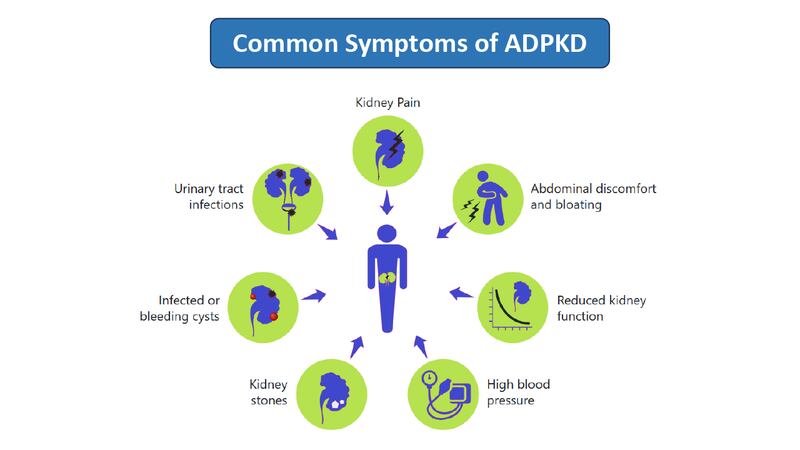
“A number of clinical trials in individuals with progressing kidney disease have shown that xanthine oxidase inhibition can slow the decline in kidney filtering capacity. The promise that XORLO™ may be able to slow progression to an extent where the disease may be maintainable is a compelling opportunity for XORTX,” he added.
In ADPKD the competitive landscape is thin. One drug called tolvaptan is the only approved therapeutic for use in ADPKD. It received an orphan drug designation and according to Davidoff it has a liver toxicity issue that limits its use to about 5% of all individuals affected. Nevertheless, sales data suggests that it generates approximately USD$1 billion in revenue annually.
XORTX’s anticipated commercial entry for ADPKD is further out than the company’s gout program with additional clinical work such as registration of a clinical trial needed. However, Davidoff believes that the company has a viable pathway to an approvable endpoint, and a significant addressable market.
XORTX contracted and conducted an independent commercial assessment of the XRx-008 program for ADPKD. “We believe that the addressable market may be 2-3X what Tolvaptan is currently addressing,” he added.
Well-funded, well-led, and setting the stage for strategic partnerships
The market has previously been advised that the company closed a USD$925,000 non-brokered LIFE public offering on July 21, 2025 to support ongoing initiatives and indicates that it will continue to pursue both non-dilutive and dilutive financing, accelerating its commercialization plans through partnership discussions with major pharmaceutical and biotech companies that have global reach.
It was also previously announced that on December 19, 2024, the company submitted a Patent Cooperation Treaty (PCT) application for international protection, leveraging clinical data linking aberrant purine metabolism to kidney disease progression. On April 28, 2025, the European Patent Office granted a patent, “Formulations of Xanthine Oxidase Inhibitors” for renal and related diseases, further strengthening the company’s portfolio for XORLO™ in gout and other conditions.
Davidoff is joined by a management team and board with deep, multidisciplinary experience including in global drug research and development, clinical and regulatory affairs, mergers and acquisitions, manufacturing, supply chain operations, and commercialization, adding strength to the company’s bench.
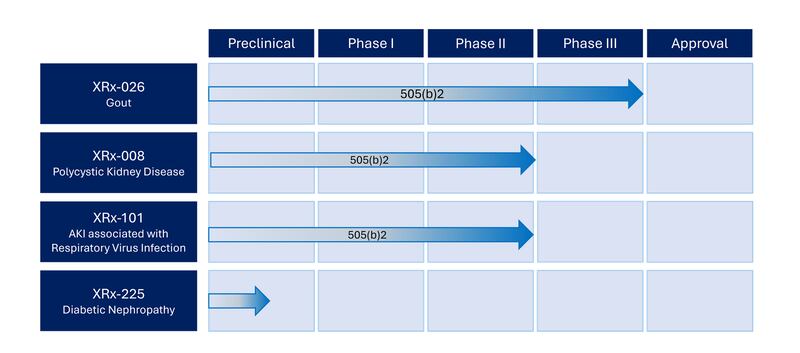
Pointing to two major market transactions that have taken place recently in the gout and ADPKD segments, Davidoff believes the advancements XORTX Therapeutics is undertaking make the company an appealing partner. In 2020, Sobi acquired SEL-212 for refractory gout from Selecta Biosciences and in 2025 Novartis acquired Regulus for farabursen, an ADPKD drug entering Phase II development. The transactions were valued at up to USD$1.6 billion and up to USD$1.7 billion, respectively. With few milestones outstanding and near-term NDA filings for the gout program, the company looks forward to transforming into a revenue-positive, high-value company in the next few years.
To learn more about XORTX Therapeutics, visit their website or follow them on social media:

