Reports this week suggested OPEC+ was preparing to raise output by 500,000 barrels a day in November, but the group rejected the claims in a post on X as “inaccurate and misleading.” Weak demand and rising inventories have already pushed crude prices lower this year, with traders closely watching supply signals.
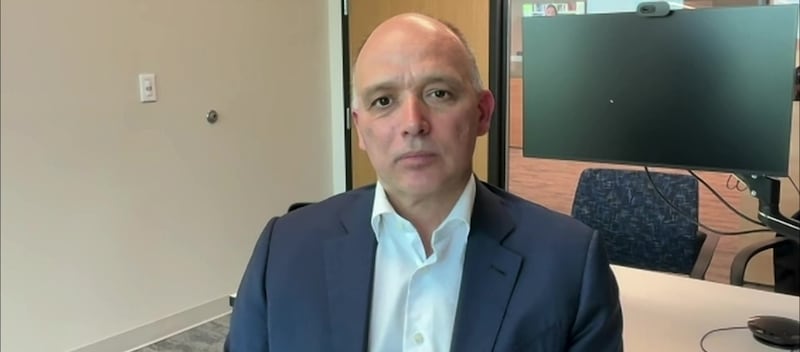
BNN Bloomberg spoke with Rob Thummel, senior portfolio manager at Tortoise Capital, who said oil fundamentals remain weak, though rising geopolitical risks, falling exports and shifting U.S. production could alter the outlook.
Key Takeaways
- Oil prices are under pressure in 2025 as global inventories rise and oversupply builds.
- OPEC+ has continued to add supply, tipping markets further into imbalance.
- Prices generally move with global inventory trends: higher stockpiles push prices down.
- Potential bullish drivers include rising geopolitical risks, reduced Russian exports, or falling U.S. output.
- Longer term, oil prices are expected to stabilize around US$70 a barrel as the market rebalances into 2026.
Read the full transcript below:
ANDREW: Let’s get back to oil. Reports have been circulating over the past few days — Reuters reiterated today — that OPEC+ is considering an increase in oil production. However, OPEC denied that in a post on X, calling the claims inaccurate and misleading. Let’s get more from Rob Thummel, senior portfolio manager at Tortoise Capital.
Rob, great to talk to you. It’s hard to know what’s going on inside the heads of OPEC+ ministers. Could they have floated this as a trial balloon to see how the market would react?
ROB: They’ve done that before. But the other thing to keep in mind is OPEC probably has some of the best information in the markets on demand. Saudi Arabia is one of the world’s largest producers. The U.S. is the biggest producer, but collectively OPEC has great data on actual demand. If demand has been improving, that could be a reason for them to raise production.
What we do know is the oil market appears oversupplied, and that has driven prices lower throughout the year. Longer term, OPEC needs higher prices for many member countries to break even.
ANDREW: What’s their game then? Why would they want to produce more oil in a market that looks oversupplied?
ROB: Demand has been stronger than expected. Sentiment was for weaker demand this year, but in fact global oil demand has surprised to the upside. That’s why some production has been brought back online.
ANDREW: What’s your projection for oil over the next year? Do you see a higher WTI crude price?
ROB: In the short term, we think prices will move lower, especially if OPEC adds more supply and creates a glut. Rising inventories push prices down.
Longer term — looking out 12 to 18 months — we believe prices will need to return to the US$70 range to encourage new production in the U.S. and globally. Oil drilling will be needed for decades, since oil will remain an important part of the global economy.
ANDREW: It’s interesting. U.S. shale has revolutionized the market, but costs are rising. Enverus says marginal costs are about US$70 a barrel now, moving toward US$95 by the mid-2030s. That would push up prices if shale can’t keep producing cheaply.
ROB: Exactly. U.S. and Canadian producers have become disciplined with capital spending. They’re focused on free cash flow and shareholder returns, not just production growth. With stronger balance sheets, they can be selective on when to drill. If they need higher prices, they can wait for the economics to support it.
ANDREW: What about the oilsands? Alberta production just hit a record high. They don’t really have to keep drilling new wells, so they can keep producing regardless of prices.
ROB: That’s right. The oilsands are different. I’ve been investing in energy for 30 years and watched their evolution. Shale pushed them aside temporarily, but oilsands have long-duration production and very low decline rates compared to shale. That makes them more resilient in this type of environment.
The U.S. refining system also relies on Canadian oil, so there’s strong demand.
ANDREW: What about your weighting in oil stocks? Are you overweight or underweight these days?
ROB: Because we expect prices to fall, we’re underweight oil stocks. We see more opportunity in natural gas, which is becoming the “new oil” for electricity demand. Natural gas and nuclear will be the major supply sources in the years ahead.
ANDREW: Tourmaline Oil was just downgraded by TD, which cited heavy spending and high valuation. It has been seen as best-in-class in gas.
ROB: Natural gas prices are low right now, so I understand the downgrade. Commodity-sensitive businesses have more volatile cash flows, making valuations harder in weak price environments. We prefer infrastructure companies, which have steadier cash flows and better risk-adjusted returns.
ANDREW: We’ll leave it there. Rob, thank you very much.
---
This BNN Bloomberg summary and transcript of the Sept. 30, 2025 interview with Rob Thummel are published with the assistance of AI. Original research, interview questions and added context was created by BNN Bloomberg journalists. An editor also reviewed this material before it was published to ensure its accuracy and adherence with BNN Bloomberg editorial policies and standards.

