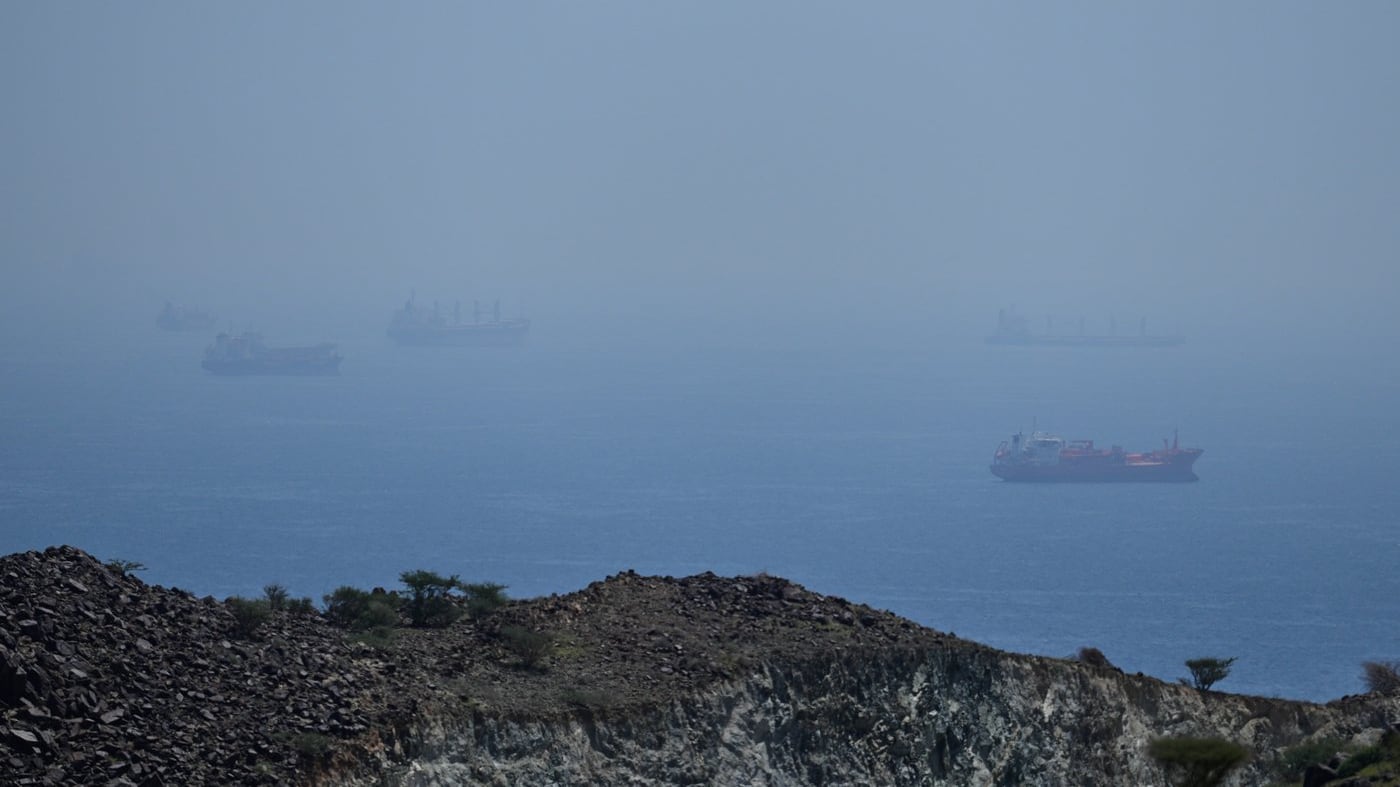
NEW YORK — Oil prices rose in early trading Sunday as a standoff between Iran and the U.S. prevented tankers from using the Strait of Hormuz, the Persian Gulf waterway that is crucial to global energy supplies.
The price of U.S. crude oil increased 6.4 per cent to US$87.90 per barrel after trading resumed on the Chicago Mercantile Exchange. The price of Brent crude, the international standard, climbed 5.8 per cent to US$96.64 per barrel.
The market reaction followed more than two days of growing hopes and dashed expectations involving the strait. Iran, which effectively controls the passage, said Friday that it would fully reopen the passage off its coast to commercial traffic. Crude prices plunged more than 9 per cent on the news.
The market reaction followed more than two days of lifted hopes and dashed expectations involving the strait. Crude prices plunged more than 9% Friday after Iran said it would fully reopen the strait, which it effectively controls, to commercial traffic.
Tehran reversed that decision and fired on several vessels Saturday after President Donald Trump said a U.S. Navy blockade of Iranian ports would remain in effect. On Sunday, Trump said the U.S. attacked and forcibly seized an Iranian-flagged cargo ship that allegedly tried to get around the blockade. Iran’s joint military command vowed to respond.
Sunday’s higher prices wiped out much of the declines seen Friday, signaling renewed doubts about how soon ships will again transport the vast amounts oil the world gets from the Middle East.
The US-Israeli war against Iran, now in its eighth week, has created one of the worst global energy crises in decades. Countries in Asia and Europe that import much of their oil from the Middle East have felt the most impact of halted supplies and production cuts, although rapidly rising gasoline, diesel and jet fuel prices are affecting businesses and consumers worldwide.
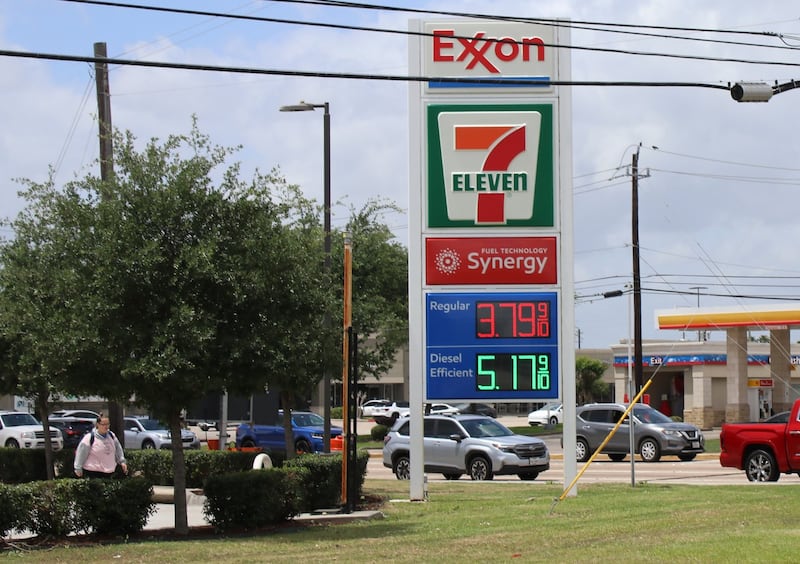
Asked when he thought U.S. motorists would again see gas cost less than US$3 a gallon on average, Energy Secretary Chris Wright said prices at the pump might not go down that much until next year.
“But prices have likely peaked, and they’ll start going down,” Wright told CNN’s “State of the Union” on Sunday.
The price of crude oil — the main ingredient in gasoline — has fluctuated dramatically since the U.S. and Israel attacked Iran on Feb. 28, and as Iran retaliated with airstrikes on other Gulf states. Crude traded at roughly US$70 a barrel before the conflict, spiked to more than US$119 at times, and previously closed Friday at US$82.59 for U.S. oil and US$90.38 for Brent.
Industry analysts have repeatedly warned that the longer the strait is closed, the worse prices could get.
A fragile, two-week ceasefire between the U.S. and Iran is set to expire Wednesday, while escalating tensions in the Strait of Hormuz puts the fate of new talks to end the war into question.
Even if a lasting deal to reopen the Strait of Hormuz emerges, analysts say it could take months for oil shipments to return to normal levels and for fuel prices to go down. Backed-up tanker traffic, shipowners concerned about another sudden escalation, and energy infrastructure damaged during the war are factors that could impede production and shipment volumes from returning to pre-war levels.
A gallon of regular gas cost an average of nearly US$4.05 a gallon in the U.S. on Sunday, according to motor club federation AAA. That’s about 8 cents lower than a week ago, but far higher than US$2.98 before the war.
Wyatte Grantham-philips, The Associated Press

