BRUSSELS, April 21 (Reuters) - European Commissioner Apostolos Tzitzikostas said on Tuesday the Commission will provide guidance to airlines on how to handle airport slots, anti-tankering, passenger rights and public service obligations in the event of jet fuel shortages due to the Iran war.
Tzitzikostas said there were no shortages “as of today” but the consequences of a continued blockade of the narrow Strait of Hormuz would be “catastrophic” for Europe and the world.
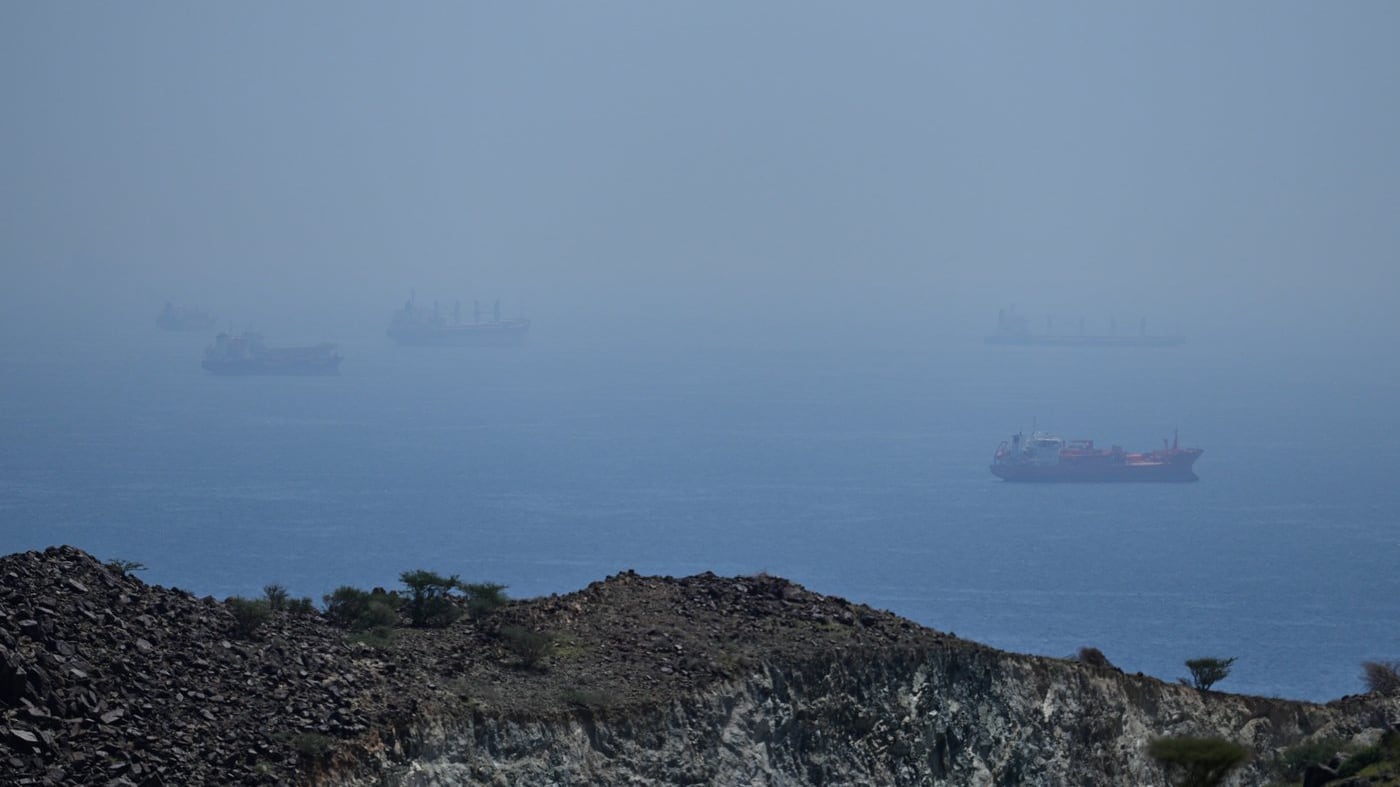
One-fifth of the world’s oil and liquefied natural gas sailed through Hormuz before the U.S.-Israel began bombing Iran on Feb. 28. The EU imports about 30-40% of its jet fuel needs, of which half originate from the Middle East.
The Commission is due to present a broader package of energy and transport measures on Wednesday. Tzitzikostas said a “new fuel observatory” would be set up to monitor supplies, starting with jet fuel.
“If real supply issues arise, our emergency stocks must be put to best use. Any national release of fuel must be done in full transparency to avoid market distortions,” he told reporters after a meeting of the EU’s transport ministers.
He added that there were no signs there would be of “widespread cancellations” in the coming weeks or months.
As part of the measures, the Commission will emphasize the bloc must quickly ramp-up its production of sustainable aviation fuel (SAF) and synthetic fuels to reduce its dependence on Middle East imports, he said in a news conference in Brussels, confirming a Reuters report on Friday.
The EU’s “anti-tankering” measure is designed to prevent planes from loading extra fuel in cheap locations. The legislation already includes exemptions in the case of shortages but the Commission will clarify the rules on Wednesday.
The Commission is also examining options to import alternatives such as U.S. jet fuel grade Jet A, which has a higher freezing point than the European standard.
“There is no need at this point to intervene in how people live, work or travel...Europe is ready to welcome all the tourists and guests during the summer period,” Tzitzikostas said, adding that high prices would not allow airlines to be exempt from flight delay or cancellation compensation.
Reporting by Julia Payne and Inti Landauro, Editing by Louise Heavens, Editing by William Maclean

