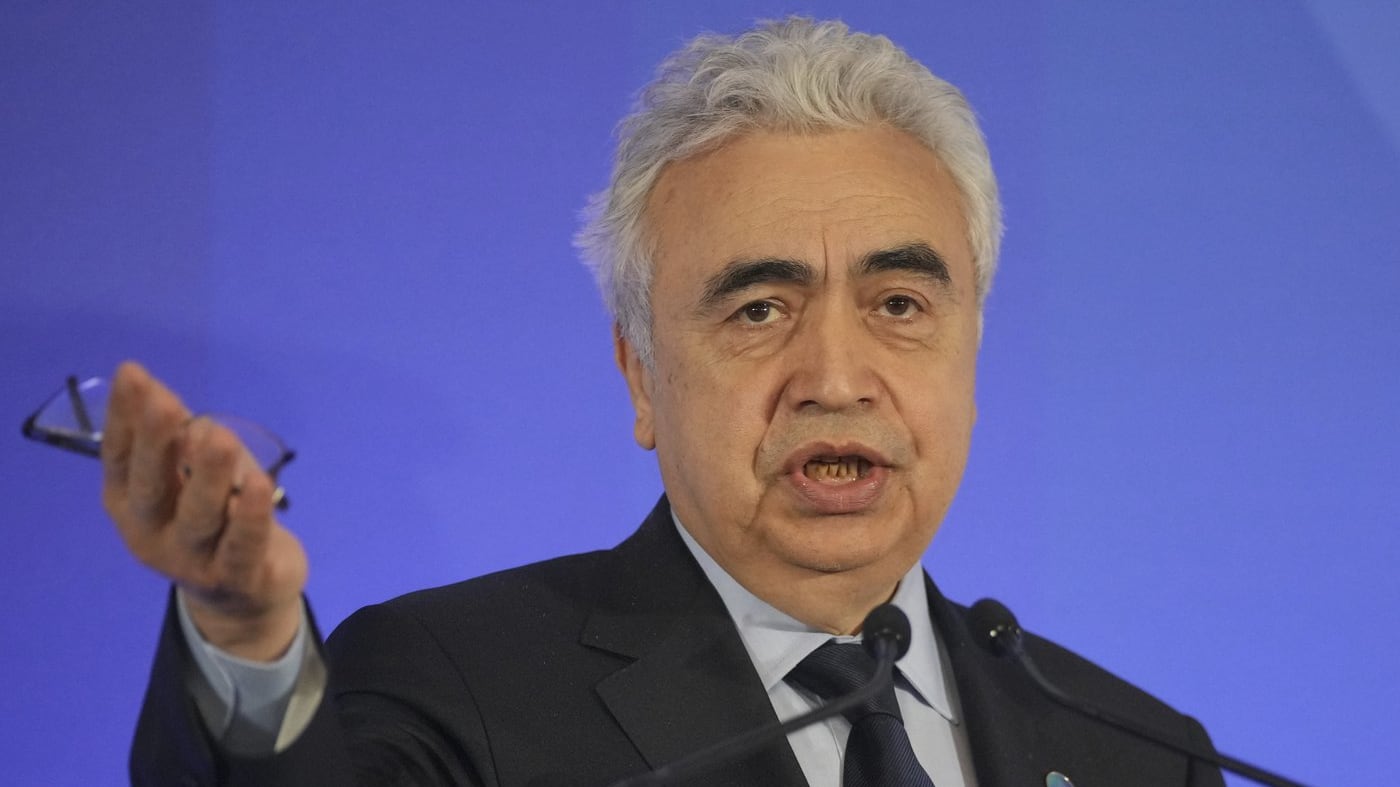
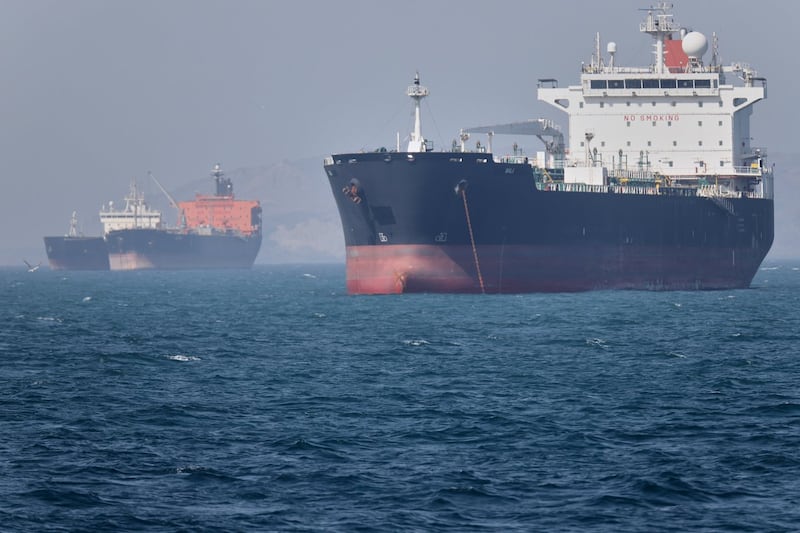
OTTAWA – The head of the International Energy Agency (IEA) said the world “has not yet completely understood” the major economic and political implications of the war in Iran, as Fatih Birol repeated earlier comments that the war and ongoing closure of the Straight of Hormuz represents the “largest energy crisis in history.”
Speaking in Ottawa at a fireside chat with Tim Hodgson, the federal minister of energy and natural resources, Birol injected a Canadian perspective into his analysis.
Birol noted while Canada has oil, gas, uranium and critical minerals, the country’s most important assets are being a “trusted partner,” a “predictable country” and following the rule of law.
He said he’s “very happy” to hear Hodgson speak about the Canadian government’s efforts to speed up projects, given Birol believes “the most important challenge in front of Canada” is addressing the pace of bringing projects to market in a world hungry for dependable energy.
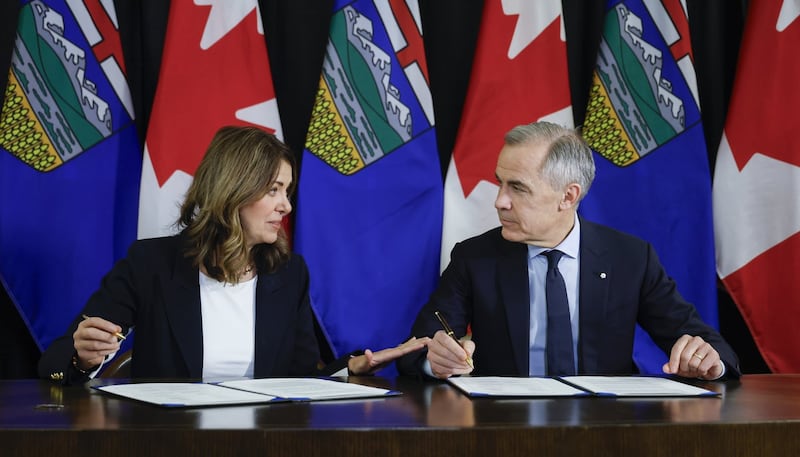
This week, five of Canada’s largest oil sands producers criticized the federal and Alberta governments for slow progress on finalizing pieces of the energy memorandum of understanding (MOU) signed last year.
Both Birol and Hodgson referenced countries willing to pay higher shipping costs, as long as they’re getting reliable and secure energy. Birol spoke in general about countries looking to buy from allies who will “never, ever use energy as a political weapon.”
Hodgson specifically referred to European countries who, in the wake of the closure of the Strait of Hormuz, are prepared to pay more “for that security of supply” to get Canadian liquefied natural gas, or LNG, delivered from the west coast. He also mentioned efforts to develop cheaper and shorter “routes east,” noting conversations with New Brunswick and Manitoba.
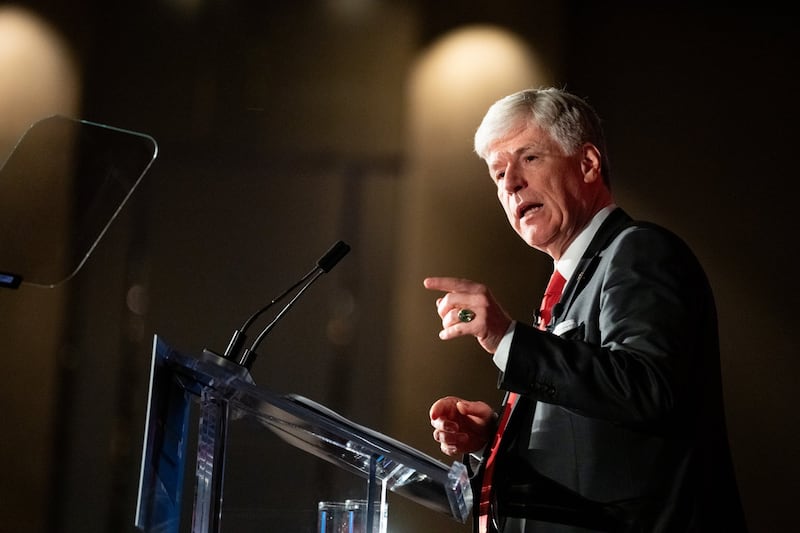
While touting some of the projects his government has already committed to, Hodgson said there would be a “whole bunch of new FID (final investment decision) announcements in the next coming weeks.”
While saying Canada is a “bit insulated” from what’s happening in the Middle East, Birol added: “Maybe it is not your daily issue here, but it will be your daily issue soon.”
Later asked to elaborate on that comment by the chat’s host, Canadian Chamber of Commerce President and CEO Candace Laing, Birol said if the energy crisis continues, “it can weaken the global economic growth, and every country will be affected from that.”
Hodgson noted his concern that allies overseas are “weeks away” from shutting down operations due to not having any energy, while saying in Canada, “we’re a little better off.”
Hodson also referenced the “price impact” Canadians have already been dealing with at the pumps. “But we haven’t seen anything yet if we don’t get this situation under control.”
Birol referenced he will be speaking with the Prime Minister and other ministers Wednesday.

