EDMONTON – As the federal and Alberta governments advance a proposal for a new major oil pipeline to the West Coast, the CEO of the Crown corporation now tasked with spearheading the project’s development is expressing confidence that the new pipeline will be built.
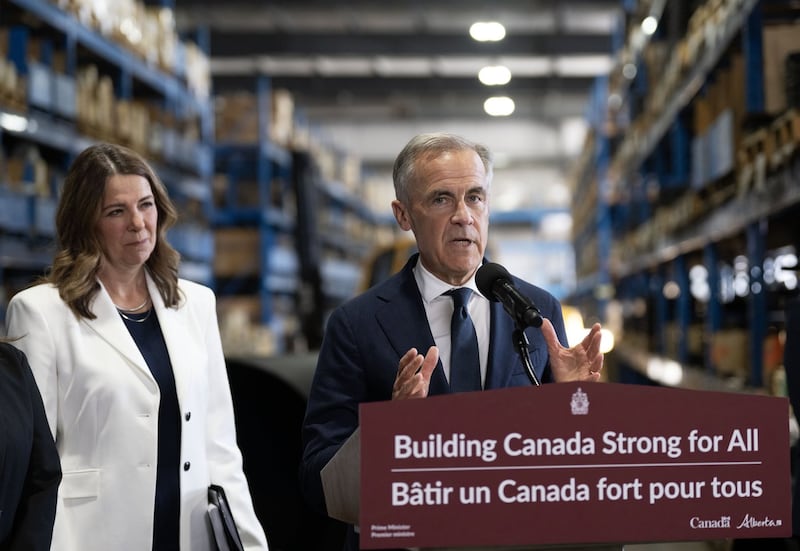
Prime Minister Mark Carney announced earlier this month that the Canadian government will refer Alberta Premier Danielle Smith’s proposal for a new West Coast pipeline to the Major Projects Office, and he tapped the Trans Mountain Corporation to lead the project’s development.
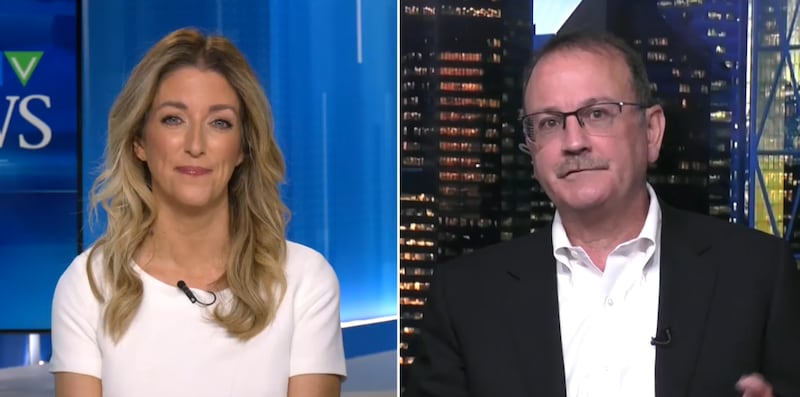
“Yes, and yes,” Trans Mountain CEO Mark Maki told CTV News Chief Political Correspondent Vassy Kapelos, when asked whether he thinks the pipeline can and will be built.
“I certainly think it can be built,” Maki said in the exclusive interview with CTV News on Thursday.
“We already have built something like it,” he added. “This one is a little longer, a little bigger, more capacity than what Trans Mountain built before, but I think it’s very necessary in the global context that we live in today, and that’s become infinitely clearer over the last year.”
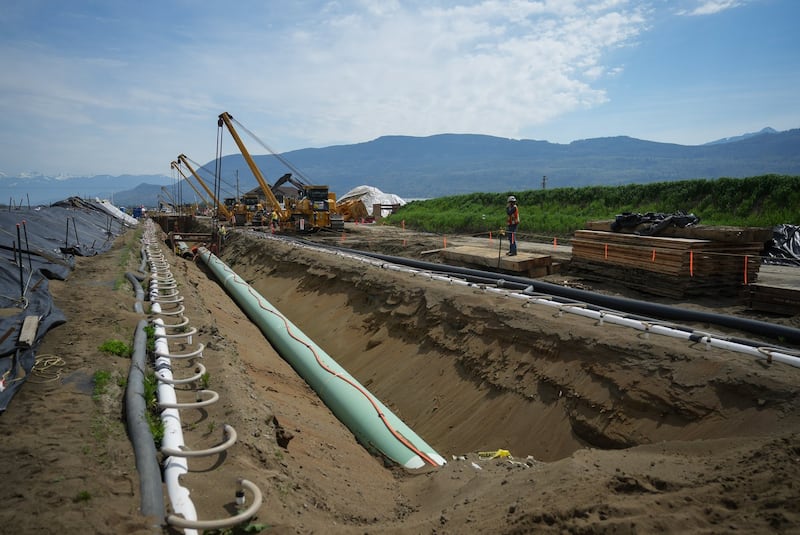
The pipeline proposed by Alberta would largely follow the existing Trans Mountain corridor and would carry one million barrels per day to the B.C. coast, doubling Canada’s oil export capacity to tide water.
This potential increase in Canadian oil export capacity has taken on added global importance, following the seismic energy supply crunches caused by the ongoing shipping disruptions in the Strait of Hormuz.
“Whether it’s the United States, China, Korea, Japan, India, like all those are countries that will benefit from Canada’s energy resources,” Maki also said. “Canada has an incredibly unique resource base here that is going to be in high demand for a very long time to come.”
Kanji Yamanouchi, Japan’s outgoing ambassador to Canada, told CTV News earlier this month that his country sees “enormous potential” in Canadian oil exports, especially as the ongoing war in the Middle East continues to devastate energy supply chains in Asia.
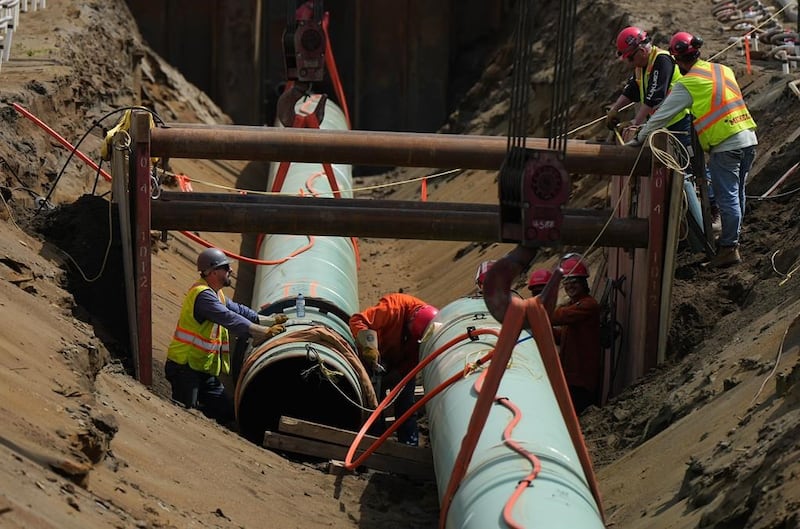
‘Compelling case’ for new pipeline: Maki
While there appears to be political will for the construction of a new pipeline, only one private company — Pembina — has so far committed to being a private sector investor in the project.
The Canadian and Alberta governments will share equal partnership in the proposed pipeline, according to Carney, with a meaningful equity stake reserved for Indigenous Peoples.
Carney insists both the federal and provincial governments’ ownership stakes will act as “catalysts” to create additional opportunities for private investment as the project advances.
Trans Mountain, Canada’s only other major oil pipeline to the West Coast, was ultimately financed by public money, after the federal government purchased the pipeline and the expansion project in 2018 for $4.5 billion. The purchase followed Kinder Morgan Canada’s decision to suspend the project, citing regulatory uncertainty.
The cost of the project ballooned under the federal government, eventually costing the public coffers about $34 billion. The expanded Trans Mountain pipeline system launched operations in 2024.
When asked about the potential price tag on this new project, Maki said he thinks the new pipeline will be “very competitive” with the Trans Mountain system “on a per-unit basis.”
“The reason for that is economies of scale,” said Maki, highlighting the capacity of the proposed pipeline, the added clarity provided by regulatory reforms and the proof of concept provided by the existing Trans Mountain system.
“I expect this process to be much smoother than the one that Trans Mountain went through before, so there are some things working in the advantage of the new system,” he said.
Maki also highlighted the “very, very strong” financial case provided by the existing Trans Mountain pipeline.
“We paid $1.7 billion into the treasury last year in dividends and interest,” Maki said. “We’ll beat that this year. We’ll probably reinvest some capital in the years thereafter, and then again, when we come back out the other side of that, this is going to be a very profitable investment for the country.”
“I expect the new system to be the same, and the overall economic impact that that system will enable is ginormous to the country,” he added. “I think that there’s a very, very compelling case for the new pipeline.”
When it comes to the potential sale of the existing Trans Mountain pipeline, Maki told Kapelos he believes the system is an important strategic asset to Canada, and the government shouldn’t sell it anytime soon.
“I’m unabashed on this, I think Canada should keep holding this thing,” he said. “It may sell off pieces of it to Indigenous (People). It may sell off pieces of it to, say, pension funds. But I think Canada should always keep its fingers on this to a degree, its ownership interest to a degree.
“I think it’s far too strategic to the country, and so for that reason, I think I would be more of a long-term holder,” Maki also said.

