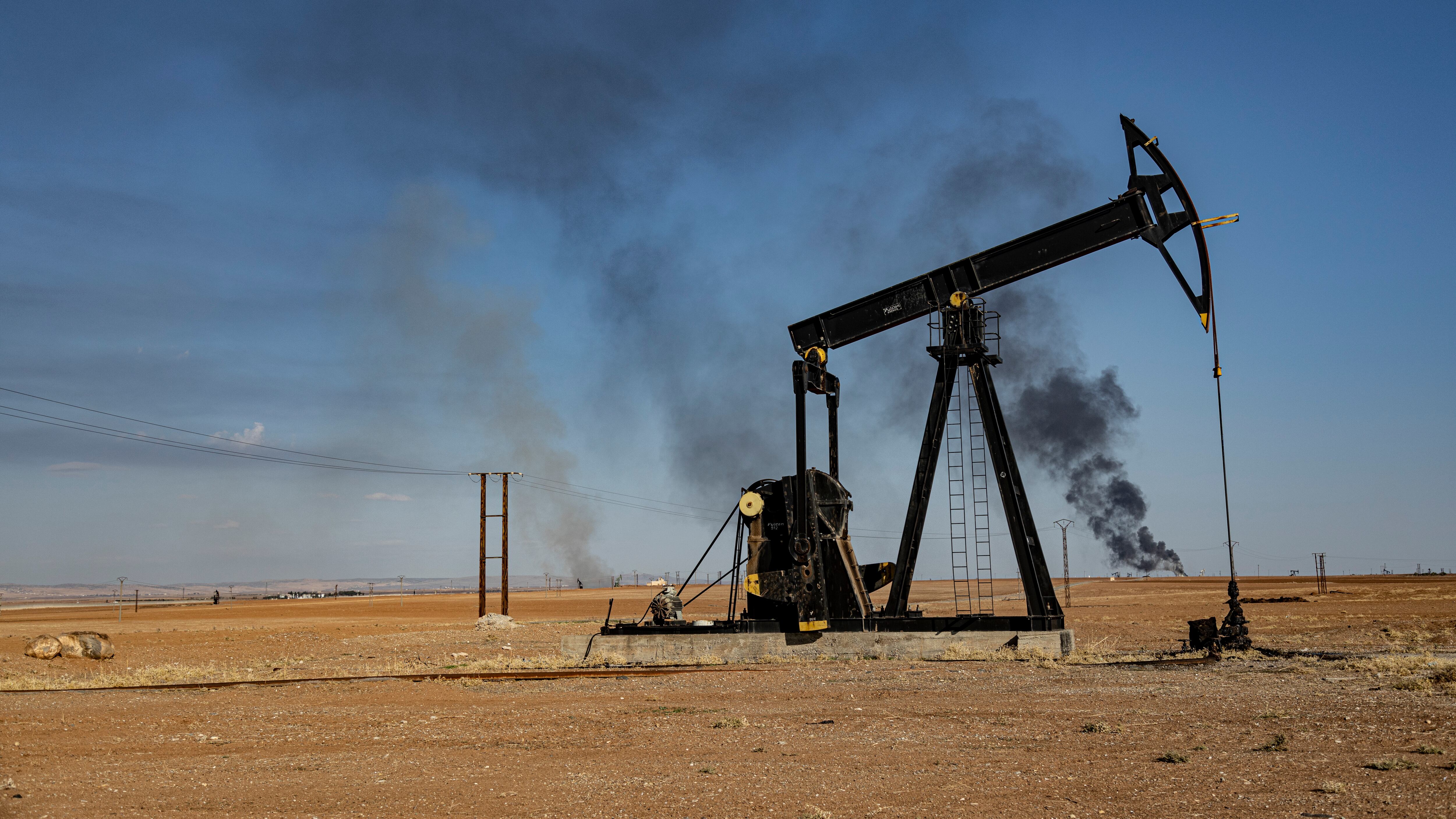
Iraq has sent a delegation to Saudi Arabia seeking a higher output quota from OPEC as the country plans to raise its oil production to between eight million and 10 million barrels per day in the next six years, its prime minister said on Friday.
Prime Minister Ali al-Zaidi, speaking at the Baghdad Dialog policy conference, said he sent a delegation on Friday headed by Iraq’s ministers of oil and finance to Saudi Arabia, OPEC’s de facto leader, to discuss raising Iraq’s OPEC quota.
Iraq produced around four million barrels of oil per day before the outbreak of the Iran war.
It has been among the countries most affected by the effective closure of the Strait of Hormuz by Iran. The blockade followed U.S.-Israeli attacks on Iran on Feb. 28 that led to a regional conflict that engulfed several countries in the region.
OPEC+ has appointed Texas-based DeGolyer and MacNaughton to independently assess the maximum sustainable capacities of most of the producer group’s members, including Iraq. The consultancy is expected to present its findings to the OPEC Secretariat at the end of September, after which discussions will begin on new production baselines for use from 2027. Baseline talks are often contentious because higher baselines generally translate into larger production allowances, giving countries an incentive to push for higher baseline levels.
Iraq is working to expand its exports through Turkey’s Ceyhan port and also to begin exporting oil through Syria’s Baniyas port and Jordan’s Aqaba port, al-Zaidi said.
The plans to export oil via a pipeline to Syria’s Baniyas, to avert future disruptions in Hormuz, will likely require four years of construction and cost at least US$15 billion, sources told Reuters this week.
The Iraq-Turkey Pipeline to Ceyhan, Iraq’s only functioning oil export pipeline, currently carries around 170,000 bpd.
The narrow Hormuz waterway between Iran and Oman carried about a fifth of global oil and liquefied natural gas supplies before the war. Despite two ceasefire deals between Washington and Tehran signed in April and June, traffic in the strait remains significantly below pre-war levels and ships continue to face attacks in the area.
Reporting by Muayad HameedWriting by Eman AbouhassiraEditing by David Goodman and Susan Fenton

