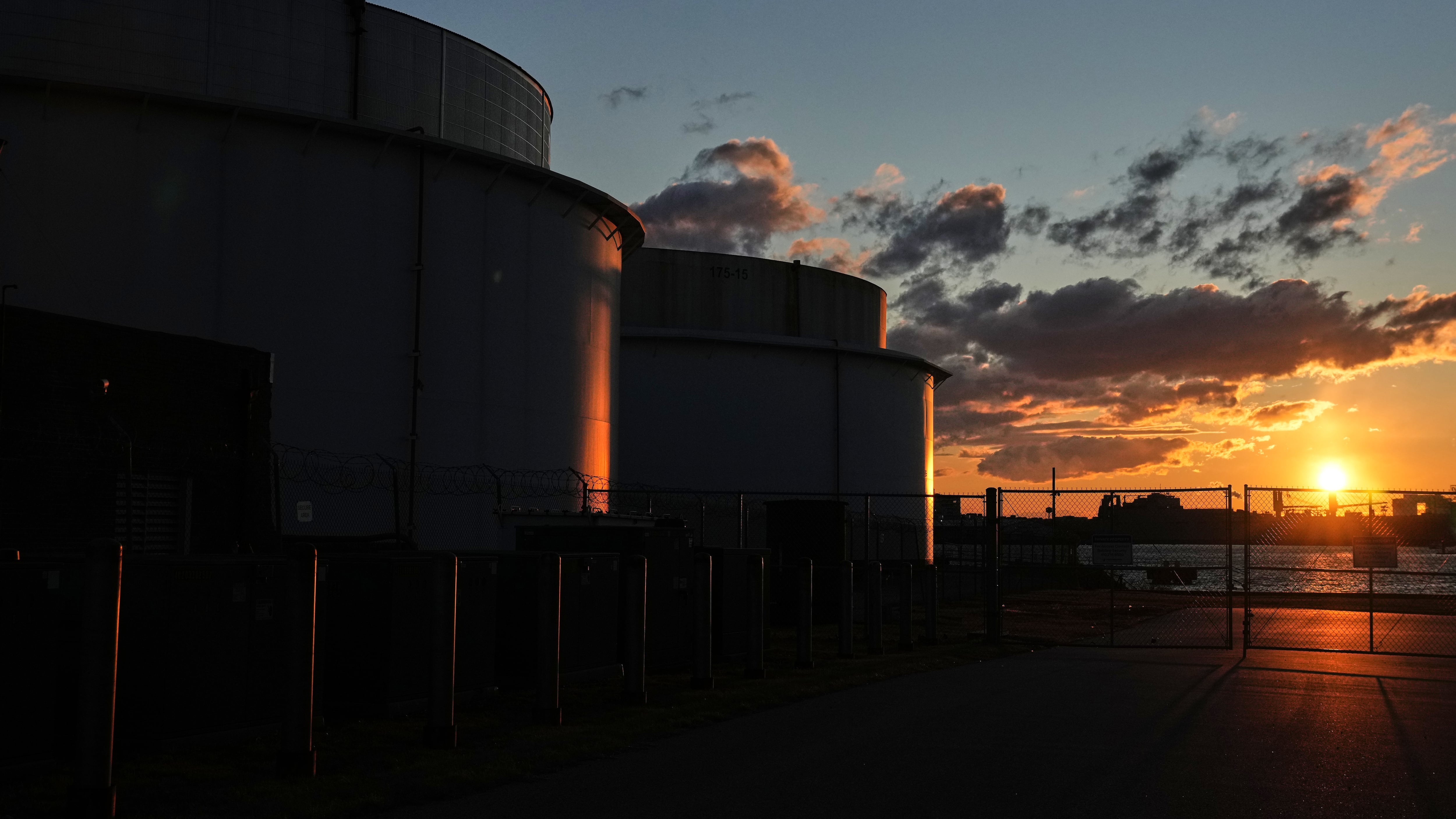
LONDON — Oil prices declined on Tuesday as investors focused on signs of recovering crude exports from the Middle East and lingering concerns over potential supply disruptions in the region stemming from the U.S.-Israeli war on Iran.
Brent crude futures were down US$1.96, or 1.86 per cent, to US$103.32 a barrel at 13:06 GMT. U.S. West Texas Intermediate crude was at US$90.65, down US$1.95, or 2.11 per cent.
Brent and WTI are headed for monthly gains of around 14 per cent and 5.6 per cent, respectively.
“A clearer picture is emerging of higher oil export volumes leaving the Gulf, but much of that increase still relies on workarounds such as ship-to-ship transfers,” said KCM Trade chief analyst Tim Waterer.
“Those methods are less efficient and more costly than normal operations, which is why crude prices remain elevated.”
Saudi Arabia has resumed oil loadings from its Red Sea port of Yanbu after restarting operations on the East-West Pipeline, according to trade sources and shipping data, improving the outlook for Middle East oil exports.
Crude exports from major Middle Eastern producers climbed to 12.8 million barrels a day in September, the highest since February, preliminary figures from data provider Kpler showed on Monday, helped by increased shipments from Saudi Arabia and the United Arab Emirates.
Diesel futures in Europe edged lower on Tuesday to trade around US$1,379 per metric ton, having reached as high as US$1,535 per ton last week as US President Donald Trump said he supported a ban on diesel exports. European diesel futures have more than doubled so far this year.
U.S. and Iranian officials spoke separately with mediators in a renewed effort to end seven months of war, officials of both countries said.
But Trump said he has offered Iran nothing to end the war, rejecting media reports that cited U.S. officials saying he was willing to ease sanctions and release frozen funds for “concrete” steps regarding Iran’s nuclear program.
Meanwhile, the U.S. is considering regulatory relief to allow broader sales of red-dyed diesel to help lower prices, people familiar with discussions told Reuters. The proposal emerged as a leading alternative to a diesel export ban.
“The flashes (of a possible rapprochement between the US and Iran) across media are wishful thinking rather than concrete deals,” said PVM analyst John Evans.
“If it were not so, why is the U.S. president still pondering a diesel/export ban and twiddling with the tax regime on agricultural ‘red’ diesel if he thought petroleum products would be soon flowing forth from the choke points of disruption he has caused via Hormuz and Bab el-Mandeb?”
U.S. crude oil and gasoline inventories were expected to have fallen last week, while distillate stockpiles were likely unchanged, a preliminary Reuters poll showed on Monday.
---
Additional reporting by Enes Tunagur in London, Sumit Saha in Bengaluru and Trixie Yap in Singapore. Editing by Louise Heavens and Jan Harvey

