Canada’s provinces and territories are handling American alcohol differently amid ongoing trade disputes across the 49th parallel.
Some are selling it off and donating the proceeds to charity, some are only selling to resellers, and for others, it’s business as usual. Here’s a breakdown of where you can and can’t buy U.S. alcohol across Canada, and what’s being done with the profits.
British Columbia
Last March, B.C. Premier David Eby announced that “BC Liquor Stores will be pulling all (U.S. Republican dominated)-state liquor products off the shelf and will not order any more.”
The next day the province’s liquor distributor announced soon after that province-run alcohol stores would be “immediately halting the retail sale” and only allow for wholesale purchase until inventory ran out.
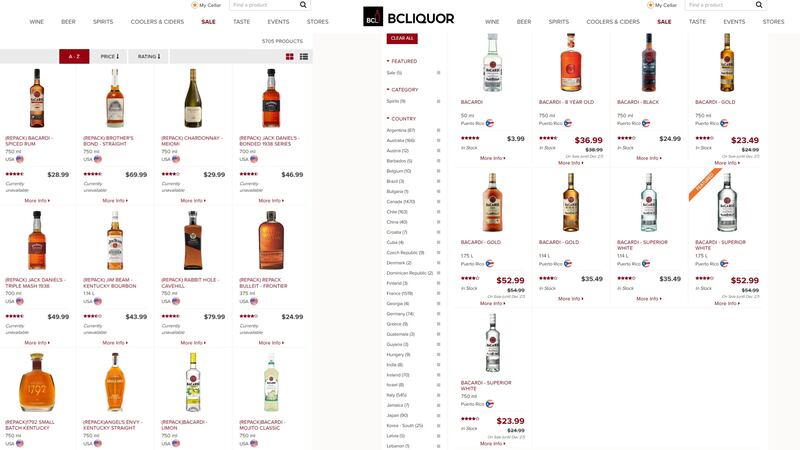
The B.C. booze ban expanded to all American alcohol later that month. As of Tuesday, spirits with an American flag remain unavailable for purchase on B.C. Liquor’s online site, but drinks from Puerto Rico, a U.S. territory, appeared to still be for sale, and one was even featured.
B.C.’s liquor authority did not return a request for comment in time for publication.
Alberta
Alberta Gaming, Liquor and Cannabis (AGLC) stopped selling American alcohol products in March, and declared it would not order anymore.
“If the Americans aren’t going to buy products from our Canadian companies, we have to,” the Alberta Premier Danielle Smith told CNN at the time.
After three months, the Alberta government changed course and announced in June it would “resume accepting liquor products from the United States.”
“Alberta resumed U.S. liquor sales on March 18 for product already at our central warehouse and resumed accepting U.S. liquor products as of June 6,” Karin Campbell, speaking on behalf of AGLC, told CTVNews.ca in a statement on Tuesday.
Saskatchewan
In March, Saskatchewan Premier Scott Moe announced that the province’s liquor authority would stop purchasing U.S.-made alcohol and instead focus on Canadian products. The minister responsible for the Saskatchewan Liquor and Gaming Authority, Alana Ross, said a targeted effort was being made against “traditional American brands.”
“Liquor retailers will no longer be able to order U.S.-produced alcohol, however, they may still choose to sell their remaining inventory,” the Saskatchewan government said in its March announcement.
Less than a month later, some American brands were granted an exception to the ban, including Pabst Blue Ribbon and Twisted Tea. In June, the province decided to allow all U.S. products into its liquor stores. Nonetheless, the province said it would “encourage supporting Saskatchewan and Canadian products whenever there is an option to do so.”
Manitoba
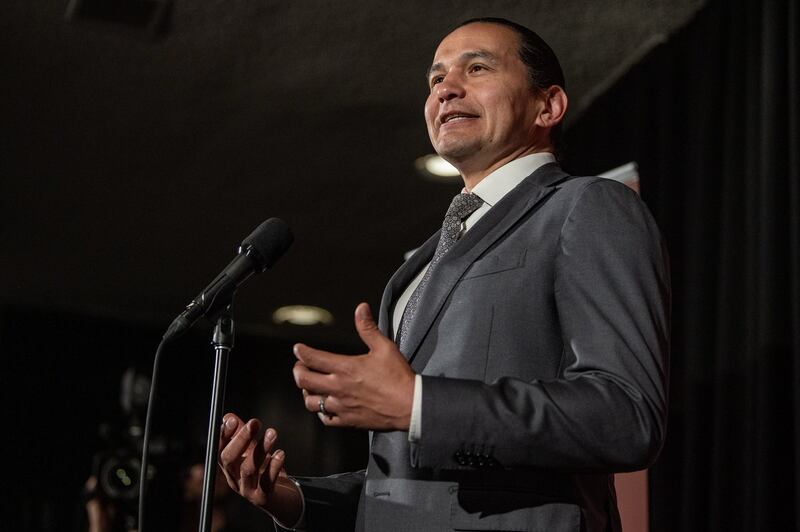
Manitoba Premier Wab Kinew announced in February that the province’s liquor authority would stop selling U.S. products. The move would be “taking $80 million out of the U.S. economy,” according to the premier.
Since then, more than $26,000 worth of U.S. wines and crème liqueurs was disposed of in the province.
But last week, Manitoba announced select U.S. alcohol products would return to Manitoba’s Liquor Mart shelves until Christmas Eve. The province will put its remaining U.S. alcohol stock up for sale, with up to $500,000 of net revenue donated to charity.
Ontario
About $80 million worth of American alcohol pulled off the shelves is in the Ontario’s Liquor Control Board’s (LCBO) storage after the province stopped selling U.S. liquor products.
Ontario Premier Doug Ford criticized a potential Crown Royal bottling plant closure in October, saying:
“A message to all the bigwigs at Diageo: I swear to God, those bottles of Crown Royal are coming off the LCBO shelves,” Ford said. “When the last person walks out through that door, we’re going to make sure LCBO takes off their brands because we need to stick together.”
The LCBO told CTVNews.ca in a statement Tuesday that it “will continue to monitor product expiration and review the best course of action.”
Quebec
Quebec’s alcohol authority announced in March that it would stop selling and importing U.S. products.
However, the organization is “currently offering (American) products with expiry dates approaching to various organizations,” according to a statement given to CTVNews.ca.
These donations will focus on “mainly rosé wines, boxed wines, ready-to-drink beverages, creams, certain beers, and liqueurs that are not intended for long-term storage,” according to an August press release.
New Brunswick
New Brunswick Liquor stopped buying U.S. alcohol in February, and in March the products were off their shelves, CTV News reported.
In October, the provincial alcohol and liquor regulator announced that American products were consolidated in a depot to be sold to consumers. The move was made “so (the American alcohol) can be enjoyed rather than go to waste.” The province will not be ordering any more American products to replace its inventory.
New Brunswick’s alcohol authority said they “support Feed NB and a network of food banks, community gardens, and libraries through fundraising efforts and internal programs,” in a Tuesday statement to CTVNews.ca, but added that all profits from the sale of its remaining American inventory would go to the province.
“ANBL will not order more U.S. products until the tariff situation has been resolved to New Brunswick’s satisfaction.”
Nova Scotia
Nova Scotia pulled its U.S. booze in March, but those products returned to shelves on Dec. 1. The province intends to sell off its remaining inventory and donate the net profits to Feed Nova Scotia.
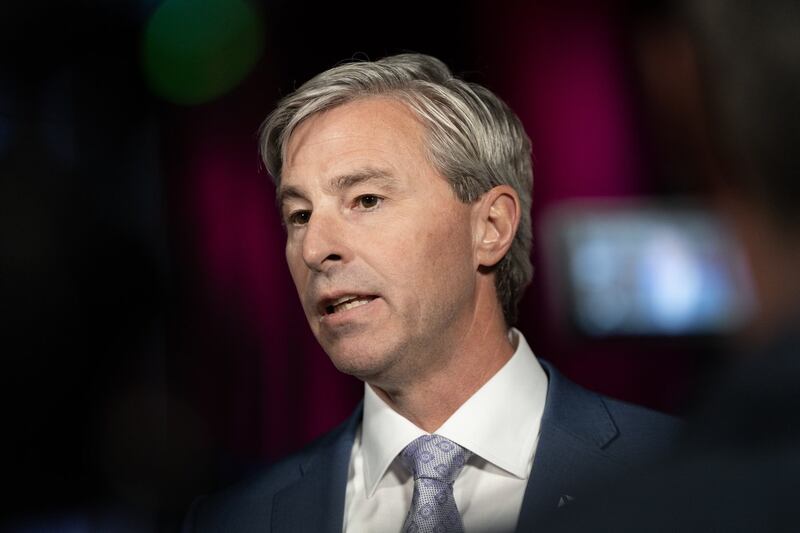
“Nova Scotians have already paid for this product. We don’t want it to go to waste,” Nova Scotia Premier Tim Houston said in a press release, adding that there’s about $14 million worth of inventory. The province will not replenish its stock.
Prince Edward Island
The country’s smallest province announced that it would remove U.S. liquor products in February. P.E.I.’s liquor authority is the sole wholesaler in the province, meaning that restaurants and stores could not sell American products.
According to a press release, the province’s liquor commission bought 16,345 cases of U.S. products last year and had about $7.38 million in gross sales.
P.E.I.’s American alcohol inventory will return to shelves on Thursday, with plans to donate the net profits to food banks in the province, according to a Wednesday provincial press release. The province expects “approximately $600,000 in net profit” from the sale, with cheques to be sent out in 2026.
American alcohol will not be reordered, the province says.
Newfoundland and Labrador
In a March press release, Newfoundland and Labrador announced it would remove American alcohol products from its liquor store shelves.
In February, the province unveiled a new logo encouraging residents to buy from local corporations, emphasizing “the importance of supporting each other through this challenging time, as all Newfoundlanders and Labradorians can be part of the solution.”
Newfoundland and Labrador will also sell off its remaining U.S. inventory and donate the net profit to charity.
“An immediate donation of $500,000 will be provided ... with the total donation amount estimated to be up to $1 million, pending the sale of the product,” the province said on Tuesday.
American liquor will be on store shelves Wednesday, the province said in its press release.
Yukon
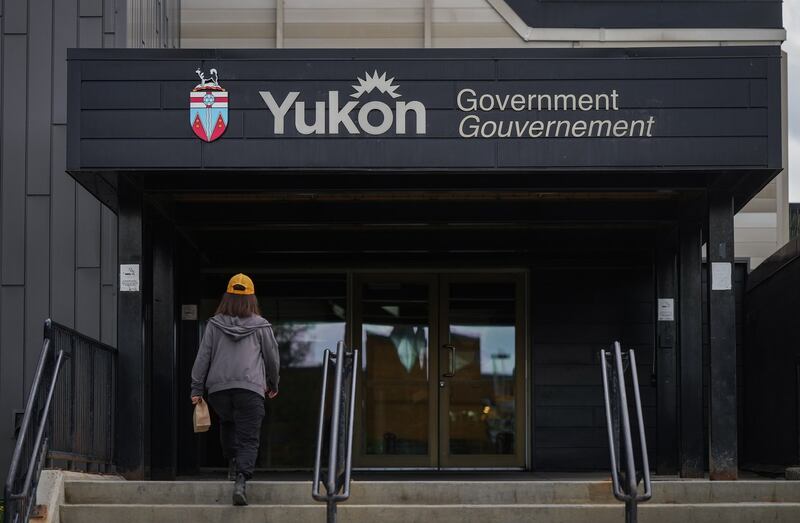
The Yukon directed its liquor corporation to stop buying American alcohol, and announced in February it would begin working to “exclude U.S. companies and minimize the purchase of U.S. goods and services, wherever possible.”
It encouraged residents to “Buy Yukon,” as it looks to do more business with non-American entities.
In March, the territory announced it would remove all U.S. products from its liquor stores.
“The United States is our most important trading partner and Canada’s closest friend and ally, but this is not how you treat your friends,” then-premier Ranj Pillai said in a release.
Northwest Territories
The Northwest Territories also announced in March that it’s liquor commission would stop purchasing American goods.
“The Trump administration’s decision to impose tariffs on Canadian goods is unjustified, short-sighted, and harmful to businesses and consumers on both sides of the border,” Premier R.J. Simpson said in the release.
The territory’s alcohol commission has not imported any new American products but “existing inventory continues to be sold through regular retail and wholesale channels until it is depleted,” the commission told CTVNews.ca in a statement on Tuesday.
Nunavut
Nunavut followed suit in March and announced that its liquor commission would no longer sell American alcohol products.
“This decision ensures we are doing our part to align with our provincial and territorial partners in ways that have minimum impacts on Nunavummiut,” said Nunavut Finance Minister Lorne Kusugak.

