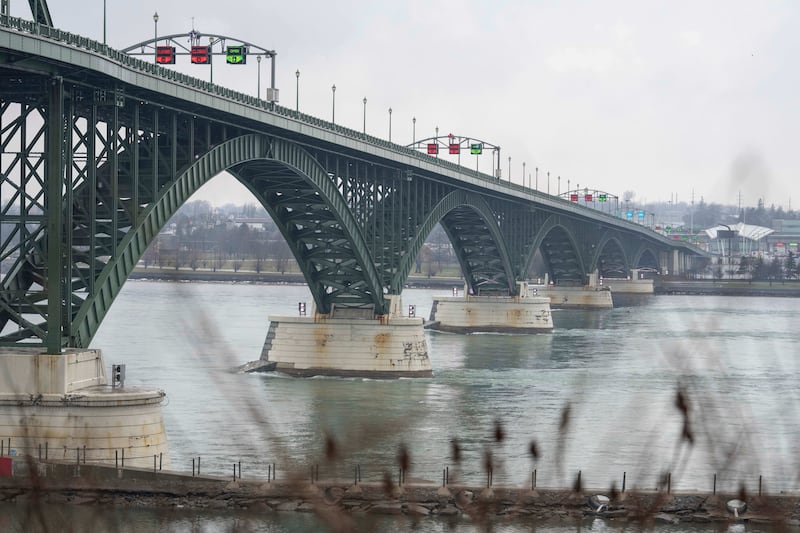
A decline in travel to the U.S. may be more significant than it first appeared, according to Canadian researchers.
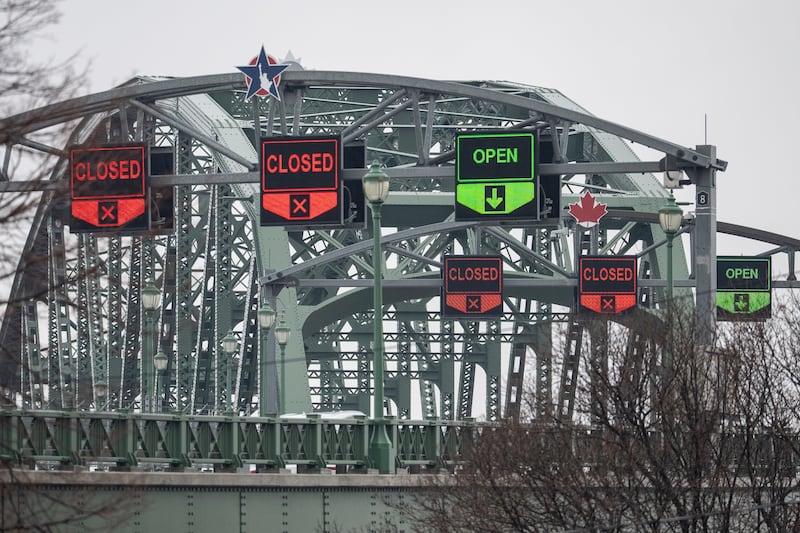
Initial estimates based on border crossings from Canada into the U.S. suggested a decrease of about 25 per cent, wrote researchers from the University of Toronto, citing data from Statistics Canada.
Recent findings, argue researchers Karen Chapple, Yihoi Jung and Jeff Allen, suggest that this year-over-year analysis of crossings doesn’t provide the full picture.
The group instead looked at cellphone activity in major U.S. metropolitan areas, and said they found a median decline in visits of 42 per cent.
“This means that a) border crossing data is not capturing the full drop in Canadian business and trade-related travel and b) when Canadians travel to the U.S., they are visiting fewer locations and staying for less time than they used to,” wrote Chapple, Jung and Allen.
In an interview with CTV News on Monday, Chapple, the director of the University of Toronto’s School of Cities, said researchers were able to understand what people were doing while spending time in the U.S.
“What we’re seeing is that we’re losing in the U.S., not just snowboarder travel and not just tourist travel to destinations like Las Vegas and Disney World,” said Chapple. “We’re also seeing the loss of Canadian travel to big (metropolitan areas) like New York and San Francisco and Dallas and Houston, places that are economically connected to the to Canada.”
While not included in the research, StatCan data released Monday showed April 2026 marked the first time visits increased year-over-year since December 2024. The number of Canadian return trips to the U.S. increased 1.4 per cent compared to April 2025.
It was driven by a 5.8 per cent increase in return trips via automobiles. By contrast, there was an 8.1 per cent decrease in return trips by air from the United States compared to April 2025.
Martin Firestone, president of Travel Secure Inc., points out the exchange rate, increased airfares and the jet fuel surcharge are contributing to fewer Canadians travelling to the United States. However, Firestone believes Canadians are starting to soften when it comes to going south for leisure travel.
“I do not think the anti-U.S. sentiment is as strong as it initially was,” Firestone told CTV News. “There will be those that will not travel to the U.S. no matter what, but I’m seeing many that had that attitude at the beginning, are now softening and actually traveling now and going there also.”
Still, the agency said, comparing the April 2026 numbers to those of April 2024, prior to a shift in political tensions, shows a 30 per cent decline.
Which U.S. cities were most impacted?
Myrtle Beach, S.C., saw the biggest dip (65.4 per cent) in Canadian travel when comparing 2024-25 to 2025-26, according to the University of Toronto data.
The Florida cities of Panama City, Orlando, Cape Coral, Miami, Naples and North Port are all in the top 10, as are Yuma, Ariz., Brownsville, Texas, and San Francisco. Major tourist destination cities and border-area cities also took hits, based on cellphone data.
The research suggests 50 major U.S. metropolitan areas saw decreases in travel from Canada of 50 per cent or greater in the examined timespan. Only three of the 267 cities examined saw travel increase: Portland, Ore.; Gainesville, Fla.; and Cleveland.
University of Toronto researchers believe some of the drops in travel could be connected the on-going trade war with the United States.
“You’re seeing much less travel to places like Grand Rapids, Mich.,” said Chapple. “That’s not a loss of tourist travel: that’s a loss of trade related travel related to the auto industry.”
Behind the numbers
The trio with the University of Toronto’s School of Cities charted data as part of a project titled “Mapping Tariffs,” which aims to measure the fallout of U.S. President Donald Trump’s trade policies, annexation threats and ensuing political tensions.
The data came from Canadian devices monitored between April 2024 and March 2026. To count as a trip, a phone had to stop in Canada, stop in the U.S., then stop back in Canada. More information and the data itself are available on the Mapping Tariffs page.
One of the differences is this data also accounts for freight traffic, which border-crossing estimates do not, researchers said.
They also noted that the data may include Canadians who were living in the U.S. temporarily and have moved back.

