


OTTAWA — The trilateral trade deal between Canada, the United States and Mexico, known as CUSMA, will enter an annual review process, as U.S. officials opt not to extend the agreement.
“The United States did not agree to renew (CUSMA) in its current form,” wrote U.S. Trade Representative Jamieson Greer in a statement to CTV News. “As a result, (CUSMA) is not renewed.”
“The United States will continue to engage with Mexico and Canada to address the agreement’s shortcomings and our trade deficits with these countries,” Greer added. “However, the agreement remains in force pending resolution of these issues or until the agreement’s termination.”
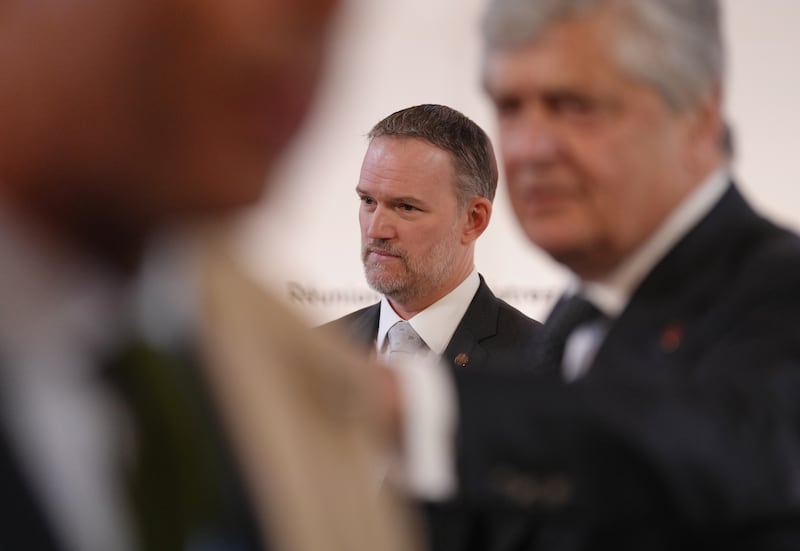
Representatives from all three countries met virtually on Wednesday to discuss the future of the agreement, after Prime Minister Mark Carney previously indicated he wasn’t anticipating any resolution, and U.S. President Donald Trump signalled he was unlikely to sign an extension.
Wednesday was the deadline for officials in all three countries to say whether they wanted to renew the Canada-U.S.-Mexico Agreement (CUSMA) for a 16-year period. Because the U.S. chose not to rubberstamp it, an annual review process kicks in for the next decade.
Representing Canada in the meeting were Canada-U.S. Trade Minister Dominic LeBlanc and Canada’s chief negotiator Janice Charette. Both have tried to assuage concerns about Wednesday’s deadline by repeatedly assuring that it’s “not a cliff.”
In a statement after the meeting, LeBlanc said he reiterated Canada’s preference to have CUSMA renewed. Mexican officials have also said that’s what they wanted.
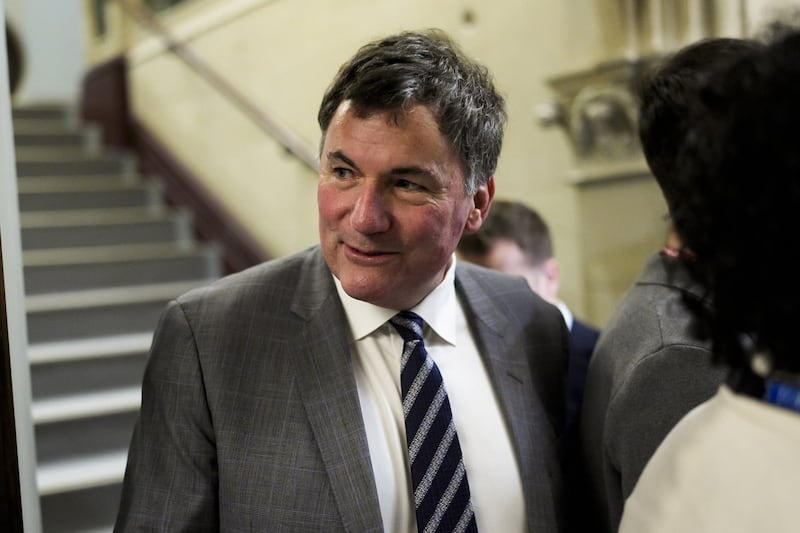
“We agreed on the importance of continuing our discussions and identifying ways to ensure trade and investment frameworks between Canada, the United States and Mexico continue to support North American prosperity and competitiveness,” LeBlanc wrote in the statement. “For Canada, this includes substantive discussions with the United States on addressing sectoral tariffs on Canadian steel, aluminum, autos and lumber.”
“We look forward to further engagement with the United States and Mexico in the coming weeks and months as we work together to strengthen our shared economic prosperity,” he also wrote.
In a video statement in Spanish posted to social media on Wednesday, Mexico’s Secretary of Economy Marcelo Ebrard stressed that the agreement remains in place despite the review.
Ebrard also said he’s set to meet with U.S. officials later this month for bilateral talks to address some of their trade irritants, and that Mexican officials hope to reach some agreement soon to reduce uncertainty for industry.
On Tuesday, Carney downplayed expectations for the meeting, telling reporters in Kuujjuaq, Que. that he was “expecting a constructive exchange,” but adding he “wouldn’t expect any drama,” and he was “not looking for (his) pen.”
Trump, meanwhile, has repeatedly slammed the agreement, inked during his first term in the White House. Whether the U.S. administration planned to extend it, however, was unclear until Wednesday’s talks.
Following the G7 Leaders’ Summit in France earlier this month, Trump said he would rather leave CUSMA unsigned and have it immediately terminated, though he also signalled he may sign the deal.
Speaking at a digital event hosted by BMO earlier this week, Canada’s former chief CUSMA negotiator Steve Verheul said while there was “a possibility for it to come together,” he expects negotiations to continue beyond the U.S. midterm elections in the fall, and possibly into next year.
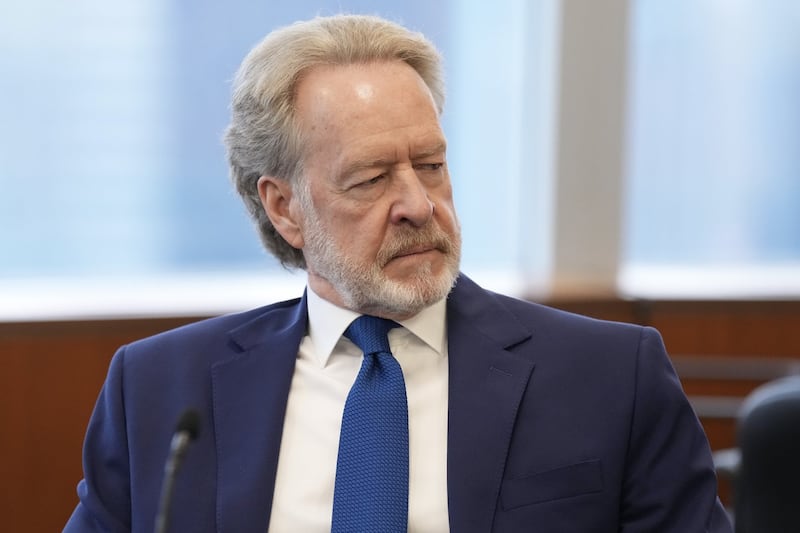
“We’re looking at a very different kind of discussion than we had in President Trump’s first term,” Verheul said. “At that point we were trying to negotiate 34 chapters of an agreement, and that was a very different kind of scenario than we’re looking at now.”
“Now we’re looking at pursuing a number of bilateral irritants that the U.S. is trying to reach some kind of accommodation on,” he added. “And there’s a handful of trilateral issues that are also under consideration, but most of, if not all of, the agreement is going to remain as it is now.”
Any of the three countries are also able to pull out of the deal entirely with six months’ notice. Despite Trump’s previous comments that he would prefer CUSMA not exist at all, saying he thinks the United States is better off without it, neither he nor his deputies have given any indication that they want to terminate it.
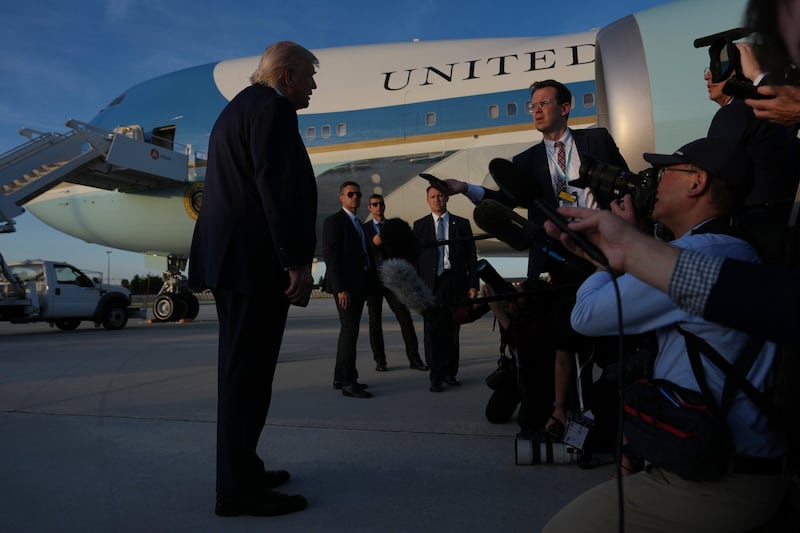
Speaking during a fireside chat at the Hudson Institute — a Washington, D.C.-based think tank — in April, Greer compared certain provisions within CUSMA to “load-bearing pillars,” which currently function well within the agreement, and that the United States doesn’t want to change or get rid of.
“There are certainly things in there that are valuable, but we do have to have some kind of a protocol, or something with Mexico and one with Canada separately, I think, to deal with issues specific to those countries,” Greer said at the time.
Amid talks around the future of CUSMA, Canada and the U.S. remain in a trade war that’s nearly at the 18-month mark, after Trump imposed sweeping tariffs on Canadian imports last February. While the vast majority of Canadian goods are exempt from the levies because they’re covered under CUSMA, a slate of sectoral tariffs remain in place.
With files from CTV News’ Rachel Aiello and Abigail Bimman

