WASHINGTON — A Republican congresswoman for New York said she is introducing legislation to compel the United States Trade Representative to conduct an investigation into Canadian provinces that are not purchasing American alcohol.
“Canadian provinces cannot be allowed to hold American wineries, breweries and distilleries hostage and attempt to ransom them,” Claudia Tenney said in a news release Monday.
“American wineries, breweries, distilleries and other beverage producers deserve fair access to Canadian markets, not discriminatory treatment from one of our closest trading partners.”
Tenney said she would introduce the Combating Attacks on our National Alcoholic Drinks by Allies Act -- or CANADA Act -- in the U.S. House of Representatives on Monday to prompt an investigation under Section 301 of the Trade Act of 1974.
If that investigation found unfair trade practices, the United States could respond with tariffs or other import restrictions.
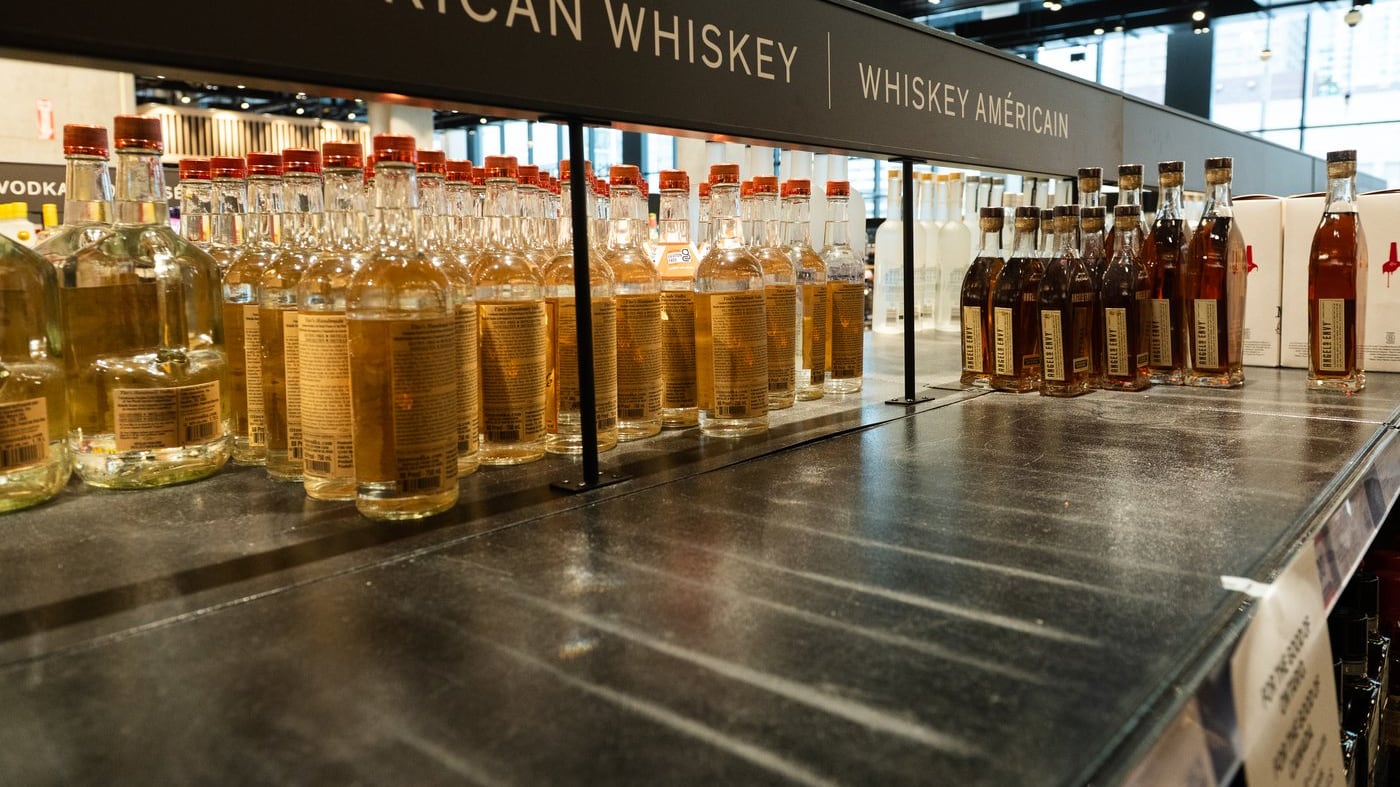
Several Canadian provincial liquor boards stopped purchasing American alcohol last year in response to U.S. President Donald Trump’s tariffs and threats of annexation.
While Saskatchewan and Alberta have returned American booze to the shelves, major purchasing provinces like Ontario and Quebec have not resumed stocking U.S. alcohol.
Ontario Premier Doug Ford told reporters in Washington last month he would welcome back American alcohol once the Canada-U.S.-Mexico Agreement on trade is renewed.
“I just want to get this deal done,” he said. “I can assure you once that deal’s done, I’m going to be sitting down and bringing all the booze back on shelves in Ontario.”
The United States last week said it was not going to renew the continental trade pact, known in Canada as CUSMA, but the agreement will stay in place as negotiations continue.
That triggered a rolling annual review process for up to a decade, at which point the agreement will expire if an extension isn’t agreed upon.
Canada and Mexico had both called for a 16-year extension.
Canadians driven by anger over Trump’s tariffs and “51st state” rhetoric supported the move by provinces to pull American liquor off the shelves as Ottawa navigated Trump’s turbulent return to the White House last year.
But the booze bans have become a major trade irritant in Washington. United States Trade Representative Jamieson Greer and other members of the Trump administration have pointed to the provincial alcohol bans, calling them unfair and unjustified.
American alcohol industry and lobby groups have repeatedly called for a return to a normal trade relationships between the U.S. and Canada as the industry is rocked by the loss of Canadian customers.
The Distilled Spirits Council of the United States has said retaliatory bans in Canada led to a 63 per cent decline in U.S. spirits exports to that market in 2025.
There’s long been talk about how the United States may respond to the provinces’ alcohol actions, and ongoing complaints from members of the Trump administration that it has hindered negotiations.
Tenney said the alcohol prohibitions are an “active impediment to a productive and smooth” CUSMA renegotiation process.
“Given that the Canadian provinces have refused to act in a constructive manner, I introduced the CANADA Act to ensure the United States takes the necessary steps to hold Canada accountable until the provinces decide to drop their unjustifiable import bans,” she said.
“America must always stand up for our producers, our workers and fair trade.”
Kelly Geraldine Malone, The Canadian Press

