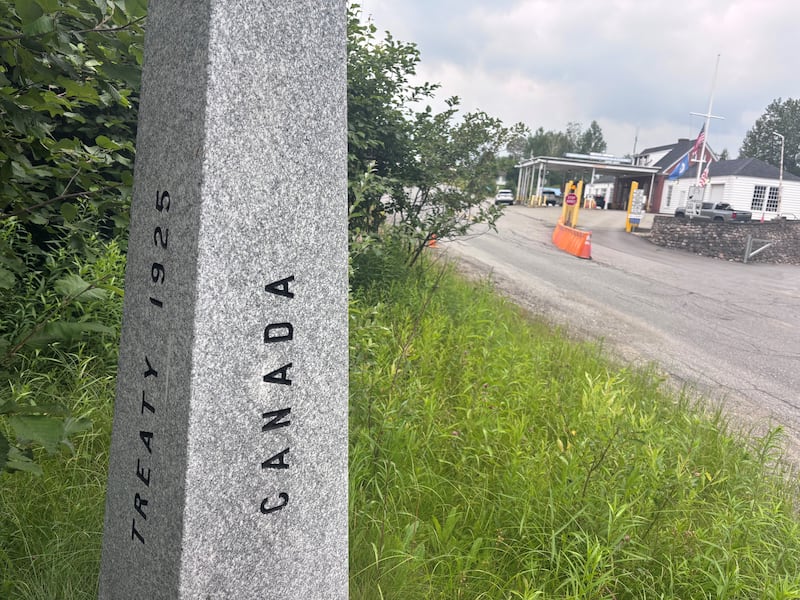
COATICOOK, Que. – The Coaticook River flows through the town of the same name in Quebec’s Eastern Townships, and right across the Canada-U.S. border to Vermont 15 minutes south.
Many in the town of about 9,000 people used to feel similarly about their southern neighbours – it was a free-flowing, integrated relationship, with frequent trips across the border for vacation, shopping, a trip to Walmart, or even a tank of gas.
That’s how lifelong Coaticook resident Clara Mackinnon grew up. Now, in the age of tariffs, she describes “some animosity,” and hesitancy to cross the border.
“There is a bit of a war…a little bit of reluctance to go across the border and profit from things over there.”
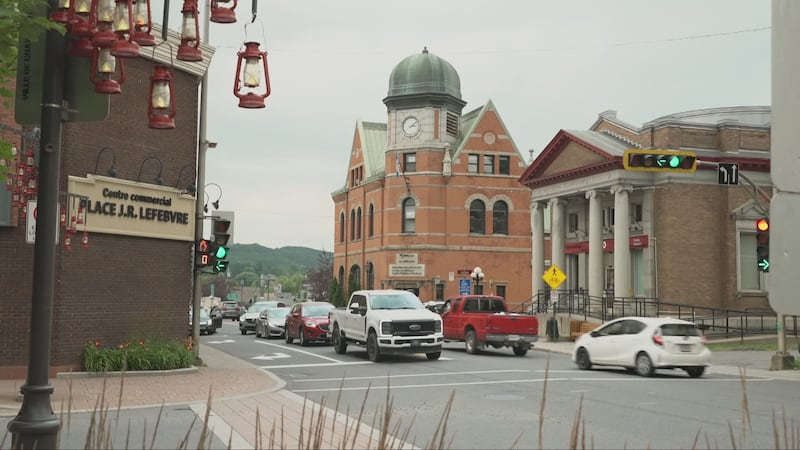
Mackinnon runs a chiropractic clinic on the main street. She knows a couple of people who were impacted by layoffs at custom cabinet maker Cabico and says sometimes her clients comment about how much harder it is do business south of the border.
In the first few days after the U.S. began implementing tariffs in 2025, it was “chaos…and complete shock” in town, remembers Sara-Jean Breault.
Breault is an economic development advisor for the wider Region of Coaticook. That wider region has 19,000 people, made up of a dozen towns, and borders two U.S. states, Vermont and New Hampshire.
She immediately got to work trying to help businesses figure out what they need, and how to move forward. She wasn’t used to having bigger businesses knock on her door. It seemed everyone needed help.
Today, businesses are still struggling.
CTV News came to the region to visit the Cabico plant. Owner Alain Ouzilleau is pushing the federal government for provisional tariffs on imports in the wood product sector, while a safeguard inquiry is underway. That plant is at 50 per cent capacity, and Ouzilleau had to lay off about 200 people across his two plants in Coaticook and St. Catharines, Ont.
“We’re certainly one of the largest employers in Coaticook in the Eastern Township, and of course, when we are laying off people, it’s the whole economy, it’s the whole supply chain that is suffering,” Ouzilleau said.
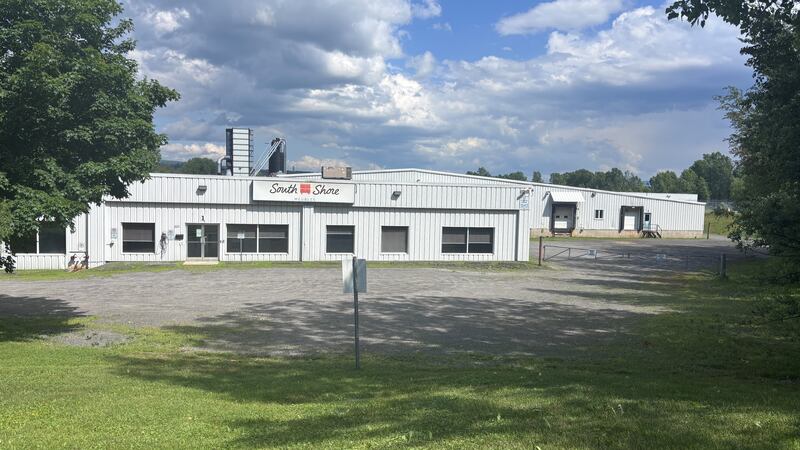
The worst-case scenario in town is the now-shuttered South Shore furniture factory. The company announced its two Quebec plants were closing in April, blaming 25 per cent American tariffs and foreign imports for a 77 per cent drop in sales. Breault says most of the employees there were either hired by Cabico or took early retirement.
For other companies, especially small businesses, the challenge is finding government supports that work.
“If one day to the next you lose 80 per cent of your client base, it’s not sufficient to say, ‘Well, we’ll give you a little bit of money [for] a program that will help you think about how you can [do business with] Europe.’ It’s not enough,” she tells CTV News.
“We are really motivated, but also on alert to make sure that we can maintain the businesses that we have in place and get others to join here.”
Agriculture is the region’s biggest industry, followed my manufacturing and tourism.
While anecdotally some residents tell us they’re not travelling south anymore, and wonder whether fewer Americans may be visiting them, Breault describes tourism as a “silver lining” amid the current tensions, saying the sector is still doing well.
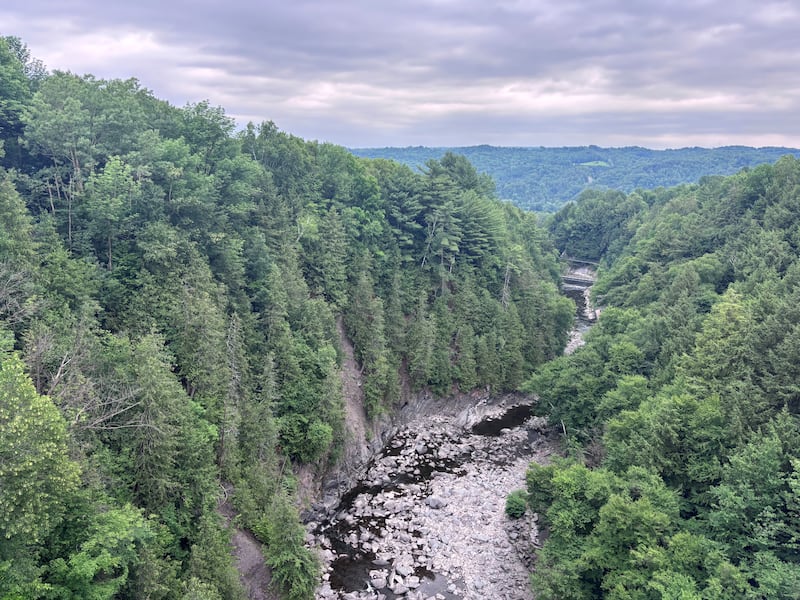
CTV News checked out the town’s gorge trail and a suspension bridge that, at 169 metres long, calls itself the longest of its kind in North America. We met several Canadian and American tourists there, some of whom were quick to say they’re no fan of tariffs either.
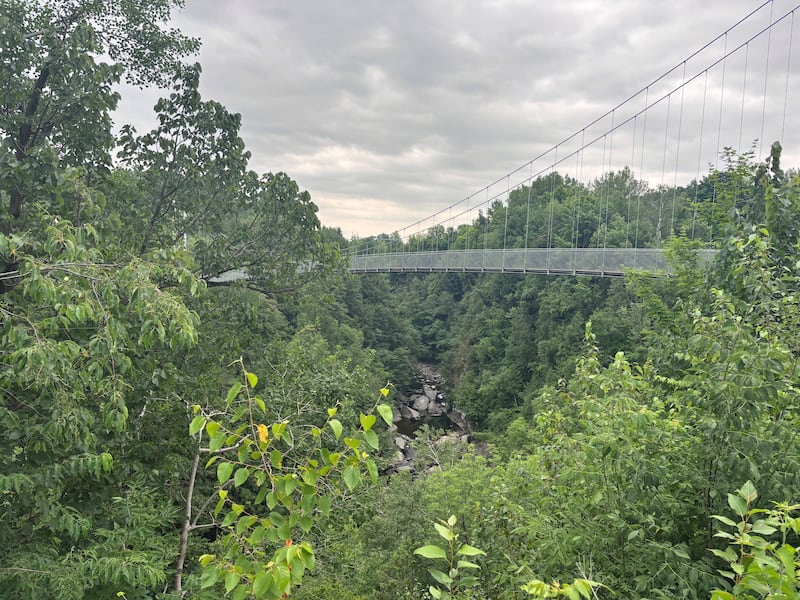
“I just feel bad for all the people who just can’t afford the rise in gas prices and groceries and things like that,” Faith Delaney visiting from Massachusetts told us.
“He’s really not, I don’t think, representing a lot of the country,” she said of American President Donald Trump.
“They’ve been very friendly,” Jane Inman of New Hampshire said of the reception she and her friends have received in Quebec. “I’ve been kind of wondering how it was going to affect us, but they’ve been very friendly and helpful.”
A few minutes up the road is the Laiterie de Coaticook, one of Quebec’s biggest ice cream manufacturers. It’s a popular summer spot, with a steady stream of tourists and locals alike.
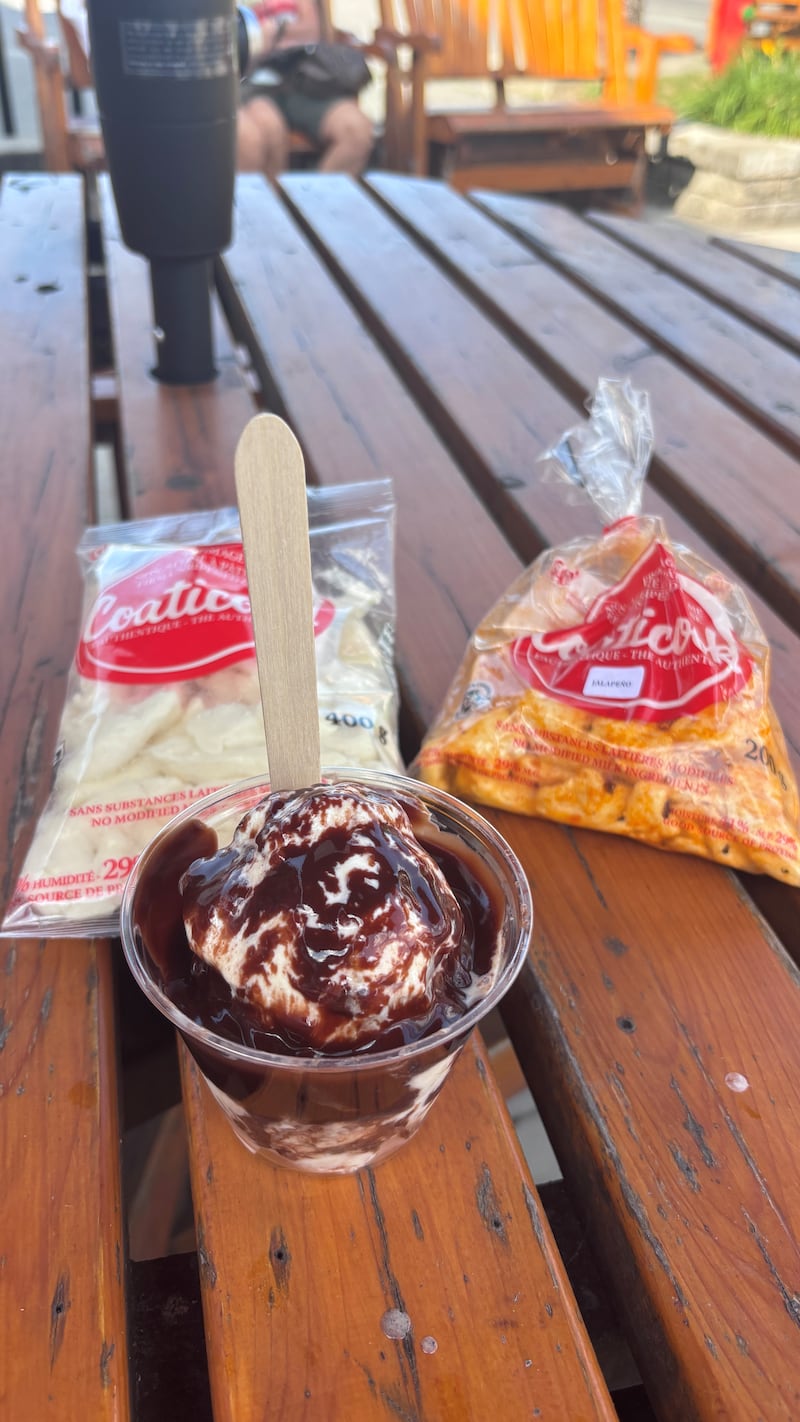
Coaticook resident Caroline Rodrigue says the issue is with Trump, and not her neighbours south of the border.
“It’s him. He’s the problem here. Because we have a very nice relationship with the other side here, because we are very close,” she said.
Bloc Québécois leader Yves-François Blanchet happened to be stopping for ice cream and handshakes on his Quebec summer tour while CTV News was at the shop.
He says whether people like the president or not, everyone needs to keep in mind how closely integrated the Canadian market is with the United States. He says getting a trade deal is crucial, but he doesn’t sense “a real intention for negotiations, either from Canada or the United States,” with small businesses paying the price.
Blanchet says it’s all well and good to encourage businesses to diversify elsewhere, “but the truth is, 15 minutes from here, there’s the most rich market in the world.”