


OTTAWA — The day after extensive trade talks between Canada and U.S. officials in Washington, D.C., details are emerging of where the give and take may be in ongoing negotiations.
Multiple industry sources tell CTV News they are cautiously optimistic that progress is being made toward a comprehensive bilateral agreement outside of the U.S. and Canada’s formal trilateral deal with Mexico.
But, they’re also warning against expectations that a deal will be made by a looming Aug. 19 deadline.
CTV News is granting confidentiality to some sources so they may speak more freely about negotiations, which they have been told are “tense” and at risk of being knocked off track at any moment by U.S. President Donald Trump.
One source with knowledge of the negotiations told CTV News that Canada is seeking “favoured nation” status across all sectors. The source says this doesn’t mean removing tariffs entirely, but rather getting the lowest rate, which may be at different percentages depending on the products.
Two other sources told CTV News that proposals being discussed include removing the counter-tariffs on autos, and provincial bans on alcohol. Proposals are also being exchanged about changing how dairy quotas are managed.
If negotiations do not stave off the new tariffs that the U.S. plans to impose on Canada in 11 days, another source says Canada is preparing “surgically targeted” retaliatory tools. The source said these measures are not counter-tariffs, but rather may include measures to impede the preferential access to big procurement projects, critical minerals and energy that the U.S. wants.
LeBlanc wraps another U.S. trip
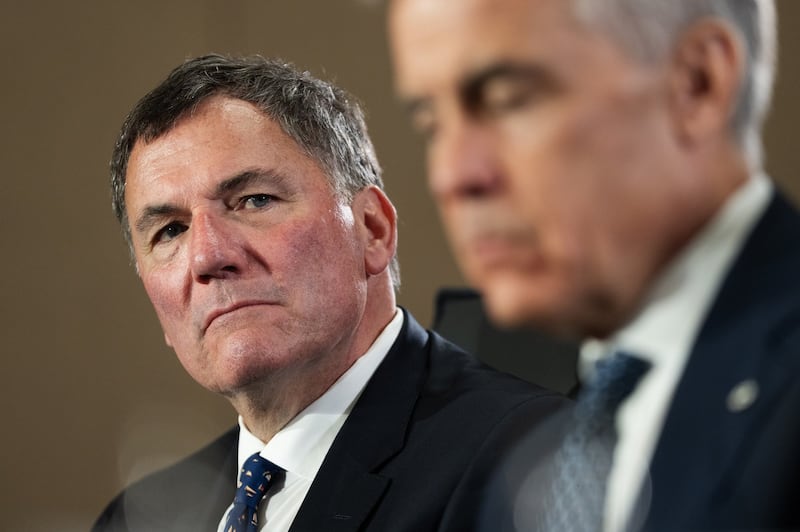
Canada-U.S. Trade Minister Dominic LeBlanc, meanwhile, headed back to Washington on Monday, his second trip to D.C. in as many weeks, amid a protracted trade war with the United States and renewed tariff threats from U.S. President Donald Trump.
He was joined by Canada’s chief negotiator to the United States, Janice Charette.
While LeBlanc is leaving D.C. Friday and expected to return Monday, his office would not confirm whether the minister will hold another meeting with U.S. Trade Representative Jamieson Greer next week.
The series of trips come as the trade war between Canada and the U.S. — kicked off when Trump imposed a slate of tariffs on Canadian goods — reaches the 18-month mark.
Trump, meanwhile, signed an executive order late last month to impose a new 50 per cent tariff on some Canadian goods, including wine, hockey sticks and cement, for what his administration is characterizing as discriminatory trade policies.
Namely, the president is taking issue with provincial bans on U.S. alcohol, supply management on dairy, and certain tariffs and quotas on cars imported to Canada from the United States.
Those levies are set to take effect on Aug. 19. When asked on his way into meetings on Thursday whether he believes Canada and the U.S. can reach a deal before then, LeBlanc said in French: “I hope so.”
In a statement to CTV News on Friday, LeBlanc spokesperson Gabriel Brunet said: “As detailed trade discussions between our two countries are ongoing, we will not comment on specifics.”
“Canada’s objective remains to reach a comprehensive deal that addresses sectoral tariffs and benefits Canadian workers, farmers and businesses,” Brunet added.
Charest cautions against ‘too high expectations’
In an interview with CTV News on Friday, former Quebec premier — and current member of the prime minister’s Advisory Committee on Canada–U.S. Economic Relations — Jean Charest cautioned against Canadians having “too high expectations” that a deal will be made by the Aug. 19 deadline.
“This is about concessions, if there are to be concessions on both sides,” Charest said. “It can’t be a one-way street, which has been the American position up until now.”
He did say, however, that Canada’s supply managed dairy sector is part of the discussions.
Trump has railed against the decades-old system, which imposes production control to meet domestic demand. Trump has argued that the system, which also sets import quotas on dairy, eggs and poultry, is “unreasonable” to American farmers who want to sell their products into Canada.
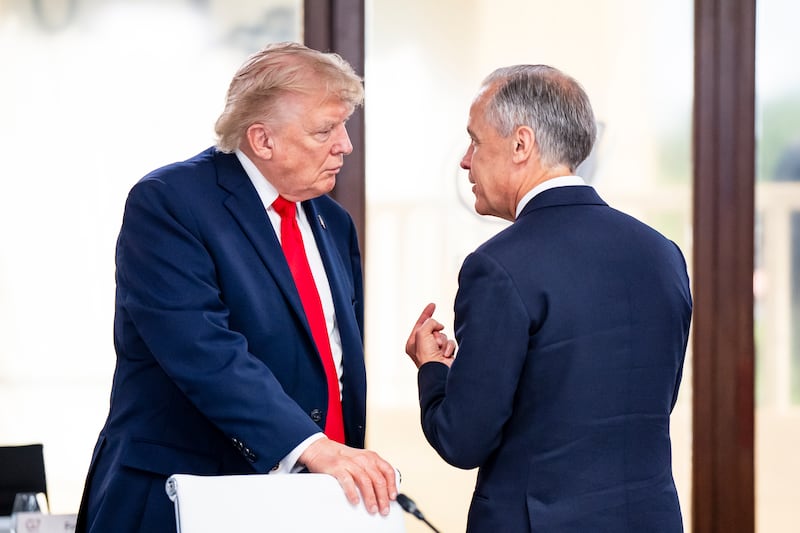
Charest reiterated what Carney said on Thursday: that supply management will remain in place. He added, however, that there is some work being done around the quotas, which were negotiated in 2018, before CUSMA was signed the following year.
CUSMA grants U.S. dairy producers access to approximately 3.5 to 3.9 per cent of the Canadian dairy market through specialized tariff-rate quotas.
“There are things that we could change that would allow our American neighbour to be able to take advantage of the quotas that were already allocated, they’re already there,” Charest said Thursday. “Those are the kind of things that we could do that would be helpful to both sides.”
The 24-member advisory committee met virtually Thursday amid LeBlanc and Charette’s trip to Washington.
“(LeBlanc, Charette and Canada’s Ambassador to the U.S. Mark Wiseman) reiterated that Canada is engaging intensively with the United States to address outstanding trade issues to the mutual benefit of both countries, including securing relief from all existing sectoral tariffs and from the new Section 338 tariffs that the United States is planning to impose on August 19, as well as making progress toward a modernised CUSMA,” states a readout following Thursday’s meeting.
The Canada-U.S.-Mexico Agreement (CUSMA) is also now subject to an annual review process, after the three countries failed to unanimously agree to a blanket renewal of the agreement on July 1.

