


Trade representatives from both Canada and the U.S. were in Washington Thursday as the two sides attempted to finalize a trade deal ahead of a deadline that was extended by U.S. President Donald Trump earlier in the week.
Dominic LeBlanc told reporters after the hours-long meeting that they’re “very close” to reaching a new deal. LeBlanc’s office confirmed that the Canada-U.S. trade minister will spend the night in Washington ahead of Friday’s negotiations.
The two countries now have until Saturday at midnight to reach a deal before Trump imposes 50 per cent tariffs on Canadian goods.
Multiple sources tell CTV News there will be reductions in sectoral tariffs, such as steel and aluminum, as part of the tentative agreement, but the scope of those reductions is unknown.
On Thursday, several premiers confirmed that Prime Minister Mark Carney asked all provinces and territories to restock their shelves with U.S. alcohol. However, Manitoba Premier Wab Kinew said Canadians should continue to buy domestic products.
And according to a report from The Canadian Press, U.S. Vice-President JD Vance told a crowd at a U.S. fundraiser that Carney tried to “out-tough” Trump during trade negotiations.
Here’s everything that happened on Aug. 20, 2026:
LeBlanc on trade deal: ‘We’re very close’
Canada-U.S. Trade Minister Dominic LeBlanc shared an update following a more than three-hour meeting with U.S. Trade Representative Jamieson Greer in Washington on Thursday, saying they are “very close” to an agreement.
“We continue to make progress, and we’re going to stay here and do the work that’s necessary until we get to that point,” LeBlanc said to reporters, while also describing the meeting as “long” and “detailed.”
Chief Trade Negotiator Janice Charette, Canadian Ambassador to the U.S. Mark Wiseman and Prime Minister Mark Carney’s Chief of Staff Marc-André Blanchard were also involved in the meeting.
Stephanie Ha, bureau manager, Ottawa News Bureau
All provinces agreed to restock U.S. liquor: N.L. premier
Newfoundland and Labrador Premier Tony Wakeham says Canada’s premiers have agreed to return U.S. alcohol to store shelves as part of the tentative trade deal with the U.S.
He said the prime minister is confident an agreement will be reached and that “as part of this agreement, he asked all of the provinces, as a sign of good faith, ‘would we put U.S. liquor back on our shelves,’ and we all agreed.”
Several of the premiers have not commented publicly on the issue.
U.S. alcohol products remain off the shelves in every province except Alberta and Saskatchewan.
Tiffany Hendsbee, CTV News supervising multiplatform writer
Wab Kinew on U.S. booze: ‘Don’t buy it’
Manitoba Premier Wab Kinew said the tentative trade deal that could see U.S. alcohol returned to store shelves “will not be right for him,” while urging Canadians to keep buying domestic products.
“If we put the booze back on the shelves, don’t buy it. Let it sit on the shelf where the liquor mart employees will be putting it, and buy the Canadian stuff instead,” he told reporters in Winnipeg.
While Newfoundland and Labrador Premier Tony Wakeham said all provinces agreed to return U.S. alcohol to store shelves, Kinew seemingly took a stand against the decision, telling Canadians, “let’s send a message that even though the prime minister and the government of Canada might think it’s important for us to put things back on the shelf… that we don’t like Donald Trump’s approach to trade or his way of treating Canada.”
Kinew said that if the deal goes ahead, U.S. alcohol could return to Manitoba shelves “relatively quickly,” with some returning “within a few days,” while full catalogues could take “a few weeks” due to labelling standards.
Kinew reiterated his opposition to the agreement, saying: “No, the deal will not be right for me. I would expect, but it’s not about me. It’s about Team Canada.”
Kayla Thompson, CTVNews.ca journalist
Read CTV News Winnipeg’s full story here
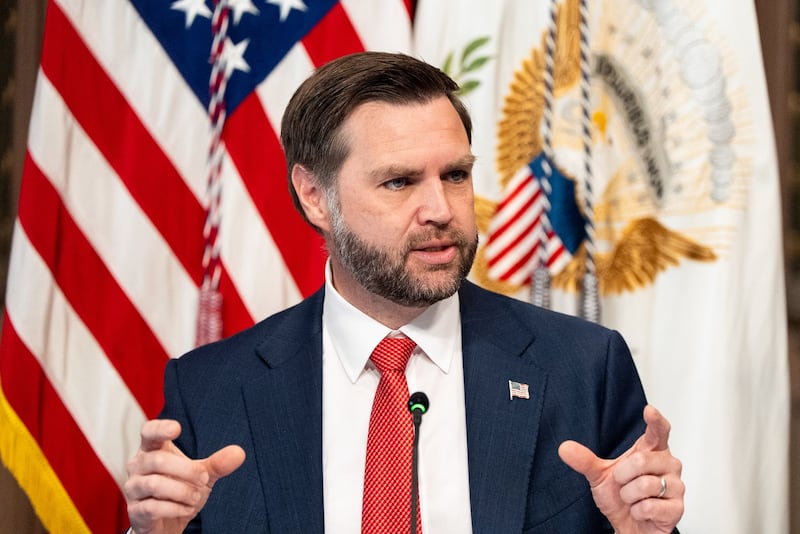
PM Carney tried to ‘out-tough’ Trump: Vance
U.S. Vice-President JD Vance weighed in on the latest trade deal with Canada at a fundraising event Wednesday, saying Prime Minister Mark Carney tried to “out-tough” U.S. President Donald Trump while crediting his longtime friend Conservative MP Jamil Jivani as a helpful advocate for Canada.
In audio from the fundraiser in Southampton, N.Y., which was provided to The Canadian Press by a source who attended the private function, Vance said Carney is a “very sweet guy” and he gets along with him quite well.
But, Vance said, Carney “comes in and puffs his chest out and says, ‘I’m going to, like, out-tough Donald Trump.’”
“It’s hilarious because Carney presents this as some victory for Canada when fundamentally, like, they climb down on a lot of issues,” Vance told the room.
“But the quiet sort of behind-the-scenes story is that this, like, random MP who has a good relationship with us has been a pretty effective advocate,” he said about Jivani.
Vance added there’s “this guy Pierre Poilievre, who is the leader of the Conservatives in Canada,” adding he is a “non-entity” in negotiations.
The Canadian Press
‘Canadians won’t like it, but they will accept it’: Scott Reid
CTV News political commentator Scott Reid says Manitoba’s premier may have a good sense of the public’s mood on this tentative deal between Canada and the United States.
When Kinew suggested Canadians avoid American alcohol after it returns to store shelves, Reid says he was “very clearly expressing his disfavour about doing anything that smacks of concession toward Donald Trump,” adding that it “may be a taste of what the prime minister can expect from a lot of Canadians.”
Reid, who served as director of communications for former prime minister Paul Martin, suggests the Carney government will sell the agreement by saying it’s the best deal possible.
“Canadians won’t like it, but they will accept it,” Reid said. “I think they’re still at a stage where this issue is so complex, the stakes are so high, and the issues are so complicated, that they are willing to defer to Mark Carney.”
Scott Ferguson, news director for CTV News Centralized Writing Service
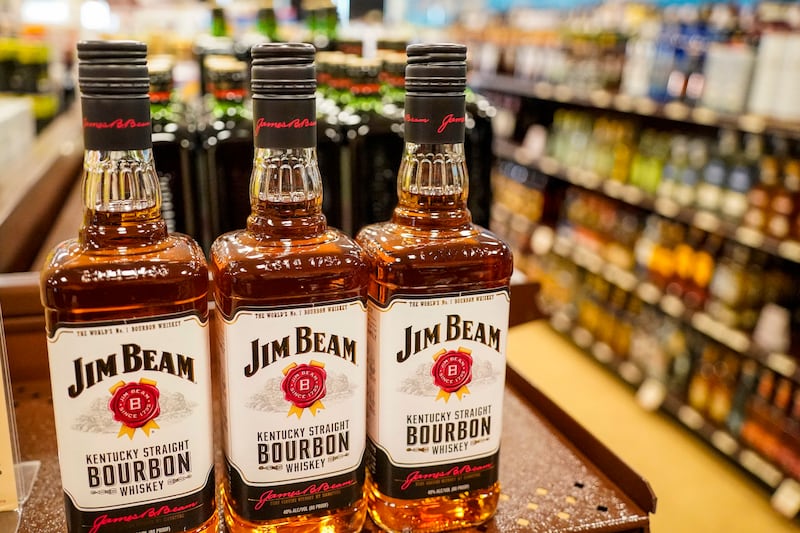
U.S. booze won’t fly off Canadian shelves: analyst
Political analyst Jeffrey Bloodworth says even if U.S. liquor is back on the shelves, the trade war will have some near-term damage for all American brands in Canada.
“I don’t have to tell you Canadians are spitting mad about this,” Bloodword told CTV News Channel on Thursday. “And putting American booze back on Canadian counters doesn’t mean that they’re going to fly off the shelf in the same way they used to.”
Bloodworth described the trade deal as a “seesaw.” explaining that
“You push the Canadians on steel, for example, that makes the American steel industry happy,” he said. “But then it hurts the American distillery industry.”
Bloodworth added in a globalized world of trade, trying to start a trade war on one or two items will inevitably “lead to hits in other sectors.”
Kayla Thompson, CTVNews.ca journalist
American booze? ‘I’m not buying it’
Some shoppers in Ontario say they won’t reach for California wine or Kentucky bourbon even if they reappear on store shelves.
Toronto resident Peter Olson said he won’t be buying any American alcohol if Ontario Premier Doug Ford decides to reverse course as the federal government seeks to secure a deal to avert new U.S. tariffs and address existing ones on steel, forestry and auto industries.
“I’m not buying it ... I haven’t really missed it, so I think it’ll be all right,” Olson said outside a downtown LCBO store on Thursday.
“We’ve all sort of replaced everything with Canadian products, and there’s really nothing from the States that’s super special that’s going to make a big difference,” he added.
The Canadian Press
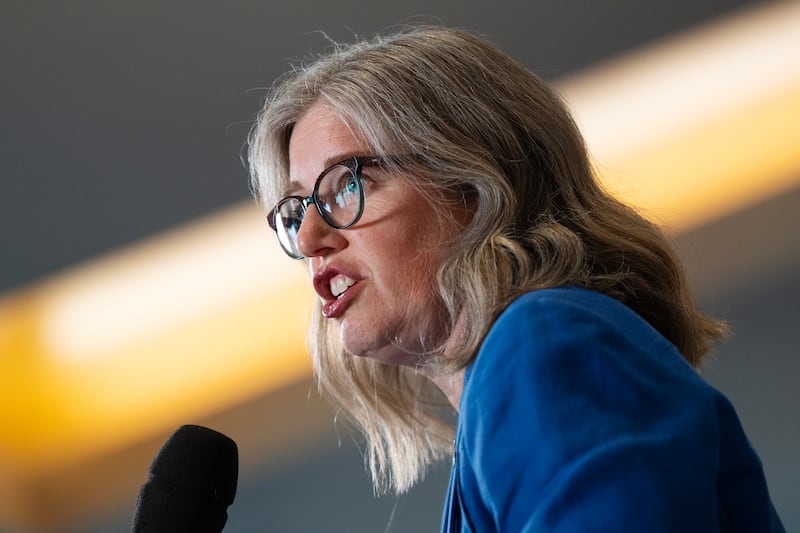
New Brunswick cabinet members voice their opinions
New Brunswick Premier Susan Holt’s cabinet members are not staying quiet about the ongoing tariff negotiations.
Opportunities New Brunswick Minister Luke Randall said the province is willing to work with the federal government to get a deal. But if that includes putting U.S. liquor back on New Brunswick shelves, he wants more details.
Rick Doucett, president of the New Brunswick Federation of Woodlot owners, said they’re already seeing job losses for people cutting and transporting wood.
“Some short-term sustainability is certainly welcome. At the same time, I think we’ve learned the lesson that we also have to keep at getting our own economic house in order,” he said.
Morgan Peters, CEO of the Fredericton Chamber of Commerce said that includes diversifying business markets and reducing interprovincial trade barriers. But even with a deal, he sees the Canada-U.S. trade relationship as forever changed.
“I don’t think things will ever get back to normal, or what they were before. But that’s going to be part of any long-term thing is kind of normalizing trade relations,” he said.
Anna Mandin, CTV News Atlantic Journalist
Read CTV News Atlantic’s full story here
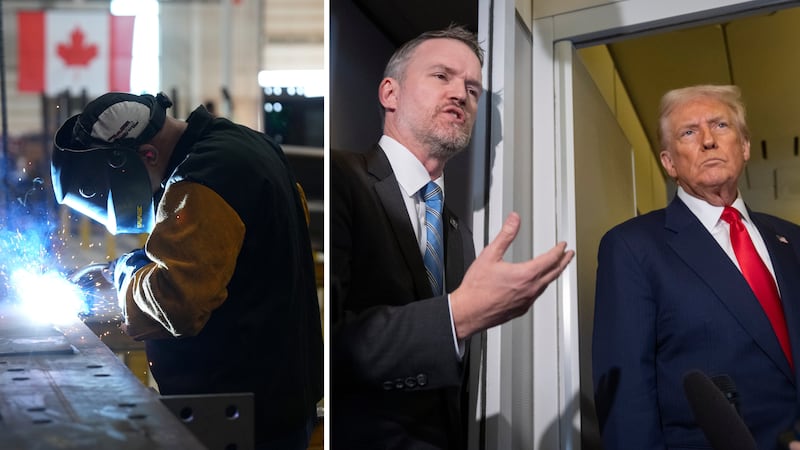
Sectoral tariffs reduced: sources
Multiple sources tell CTV News there are reductions in sectoral tariffs, such as steel and aluminum, as part of the agreement with the United States, but none of the sources knew the scope of those reductions.
As for how the public will respond, sources also tell CTV News the details of those sectorial tariffs will “make or break the deal” politically for Prime Minister Mark Carney.
CTV News Ottawa Bureau
Canada may end up with lowest tariff impact: N.L. premier
The deal won’t eliminate U.S. tariffs, but it could ensure that Canada has the lowest impact compared to other affected countries, according to the Newfoundland and Labrador premier.
Wakeham divulged as much in an interview with CTV News Channel on Thursday, sharing what the prime minister told premiers in a virtual meeting the previous day.
He said he stood by Carney’s approach to negotiations.
“I believe in the Team Canada approach ... and I look forward to a successful negotiation by the prime minister and his team,” Wakeham said.
Devika Desai, CTVNews.ca journalist
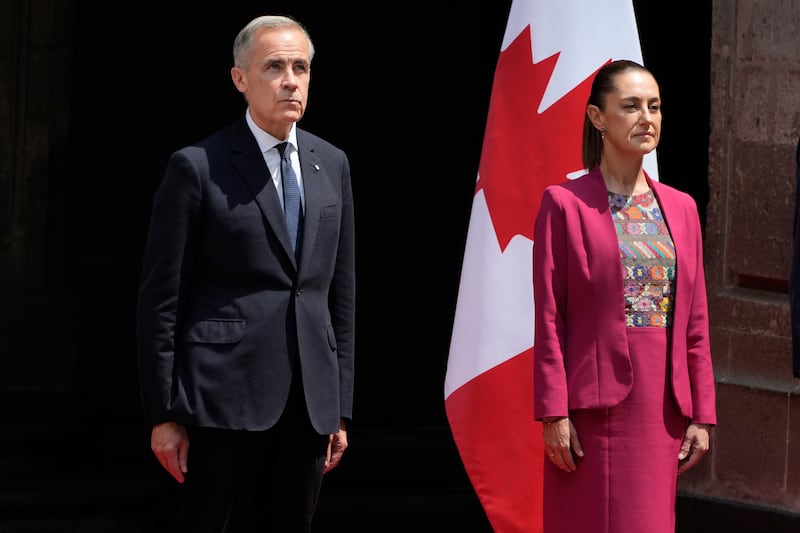
PM Carney speaks with Mexican president
Carney spoke with Mexican President Claudia Sheinbaum on Thursday about Mexico’s support in combating wildfires and progress on cross-border trade.
According to a statement from Prime Minister’s Office, Carney thanked Sheinbaum for deploying more than 400 firefighters and support personnel. The two leaders also discussed ongoing developments affecting North American trade.
“(Carney and Sheinbaum) underscored the importance of renewing the Canada-United States-Mexico Agreement (CUSMA) as soon as possible to provide greater certainty for North American businesses and workers,” the statement read.
Both leaders agreed to stay in close contact.
Kayla Thompson, CTVNews.ca journalist
Don’t underestimate Trump: Former Trudeau adviser
The U.S. president may appear to be in hot water leading up to the midterm elections, but a former Trudeau adviser cautioned against underestimating him.
“He has managed to be a bit of a comeback kid on several occasions politically, even when the tide seems to be against him,” Diamond Isinger, former Canada-U.S. relations special adviser under the Trudeau administration, told CTV News Channel on Thursday.
However, rising affordability costs in the U.S. could work in Canada’s favour, as they can be at least partly attributed to the tariffs on other countries, she added.
She added that it’s unsurprising that some premiers, like the Manitoba leader, may still advocate to their residents to shop local even if the ban on alcohol is lifted.
“One of the things that Kinew illustrated ... is the reality that even if provinces do restock that liquor tomorrow or next week, the consumer behaviours and the interest in purchasing American has potentially rapidly declined on part of Canadians,” Isinger said.
“So whether or not the U.S. will look favorably at the fact that we are restocking their products, but not actively purchasing them, remains to be seen.”
Devika Desai, CTVNews.ca journalist
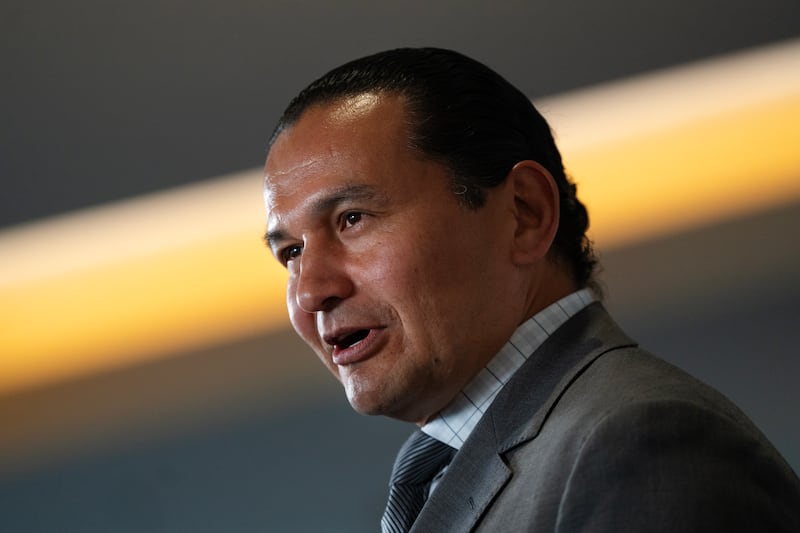
‘Can’t make a good deal with a bad person’: Manitoba’s Kinew
Manitoba Premier Wab Kinew told Winnipeg’s 680 CJOB Thursday it looks like there will be a lower tariff on the Gerdau steel mill in Selkirk, Man., but it is still “way higher than it was two years ago.”
Kinew added that Carney asked the provinces to return American booze to the shelves, and told them they could blame him if they receive any backlash for the decision.
“If we do end up putting the booze back on the shelves, like I’ve said. we still have to see some of the details here, we reserve the right to take it back off again, because we know that this guy is very erratic, the American president, and he may go back on his word, as he’s done countless times,” Kinew said in his radio interview.
The Manitoba premier also quoted famed investor Warren Buffett in saying “you can’t make a good deal with a bad person,” once again referring to Trump as “Jeffery Epstein’s best friend” and blaming the president for high gas prices brought on by the war in Iran.
The Canadian Press
Carney speaks with Quebec premier
Prime Minister Mark Carney spoke with Quebec Premier Christine Frechette again today, a source with knowledge tells CTV News.
It comes a day after Carney met with his cabinet and the country’s premiers following the news about a potential trade deal.
Kayla Thompson, CTVNews.ca journalist
‘Sounds like Canada has given up’: Scheer
Conservative House leader Andrew Scheer says although he’s “cautiously optimistic,” he is “worried” about what Carney may be giving to avoid 50 per cent tariffs.
“My hope is that we get an elimination of tariffs. It sounds like Canada has given up,” Scheer told CTV Your Morning Saskatchewan Thursday morning.
Scheer said the big question is whether Carney comes back with zero tariffs, or the baseline of 25 per cent.
“If he comes back with a deal where there’s still 25 per cent tariffs on steel and aluminum, there’s going to be a lot of workers here in Regina (and) across the country that will be scratching their heads, saying, ‘You know, Mark Carney seems to have given up quite a lot.’”
Scheer also echoed criticism raised by Conservative Leader Pierre Poilievre, saying Carney has failed to brief the Opposition on negotiations.
“We’re in a little bit of a wait-and-see mode. We’ll see what the final deal is.”
Kayla Thompson, CTVNews.ca journalist
Agriculture the ‘No. 1 issue’: U.S. secretary
Brooke Rollins, the U.S. secretary of agriculture, says President Trump remains “very focused on Canada, specifically as it relates to dairy,” as well as other issues.
Speaking to reporters on Thursday, Rollins said she and Trump believe the new deal will make farmers happy.
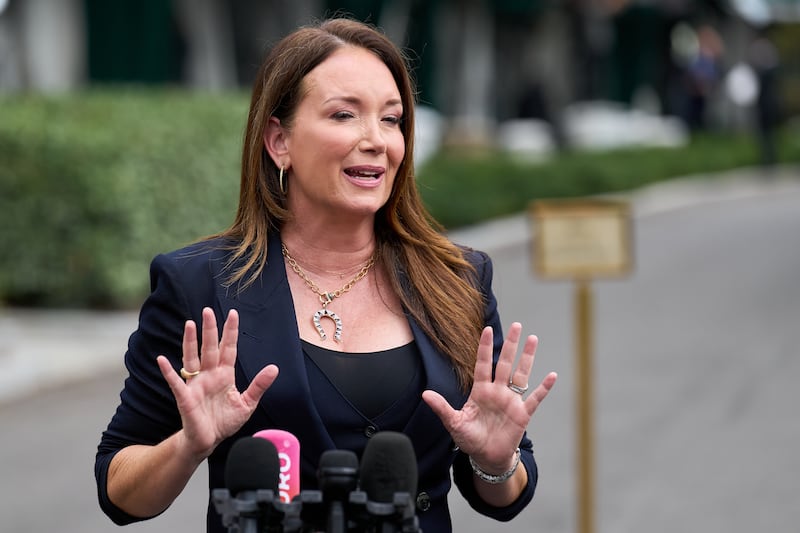
“My great friend Scott Bessent … Howard Lutnick, (and) Jamieson Greer, they have made, alongside President Trump and with his direction, agriculture as the No. 1 issue as they are moving into these rooms and have these discussions” she said.
“The president has not been shy about his frustration with Canada and especially with dairy and what Canada’s rules have done to our incredible dairy producers in America.”
Kayla Thompson, CTVNews.ca journalist
Why is the U.S. mad about who sells cheese in Canada?
Cheese has once again become a hot topic in the Canada-U.S. trade dispute.
While officials work to lower sectoral tariffs on Canadian steel and aluminum, the U.S. wants Canada to change its strict rules on importing cheese, which a Canadian agricultural economist warns heavily against.
“It’s not in the Canadian interest,” explains Al Mussell, a prominent Canadian agricultural economist and policy analyst.
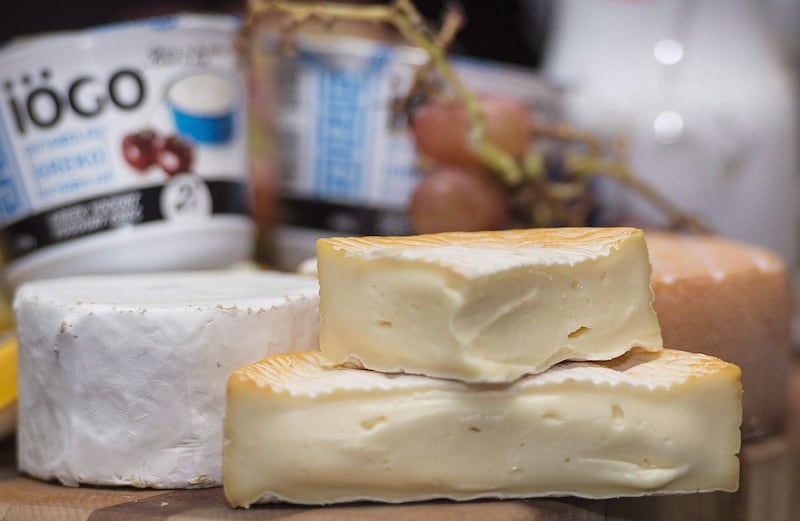
Mussell explains that the U.S. wants more control over who can access Canadian retailers directly, so they can export some of their premium products to Canada.
Last month, U.S. President Donald Trump signed an executive order threatening a 50 per cent tariff on Canadian goods, including the country’s dairy sector.
Anam Khan, BNN Bloomberg journalist
‘In the end game’: diplomat
Negotiations are nearing a close, Canada’s U.K. high commissioner says, judging from the joint statements given by Canadian and U.S. trade reps on the state of talks this week.
Ralph Goodale, who is a member of the prime minister’s advisory council on Canada-U.S. economic relations, pointed to a media appearance by Trade Minister Dominic LeBlanc and his U.S. counterpart Jamieson Greer on Wednesday in Washington.
“The two of them together commenting on what they were presenting as a successful negotiation .... we’re very much in the end game,” Goodale told CTV News Channel on Thursday.
Getting the premiers to agree on the deal may sound “impossible,” he added, if not for the display of “national cohesion” by Canadians. “That’s an incentive for all politicians ... to pull together,” he said.
Yet, the “antipathy” developed towards the U.S. could still make it a “hard sell,” Goodale noted.
“Canadians will be wary,” he acknowledged. “...The reliability of the arrangement is always going to be a question in Canadians’ minds.”
Devika Desai, CTVNews.ca journalist
Keep the quota system: Dairy farmer
A Quebec dairy farmer wants to keep the quota system used in Canada’s supply management “intact” in trade negotiations with the U.S.
“We have a lot of money invested in that,” Angus MacKinnon told CTV News Channel on Thursday.
Canadian dairy farmers produce supply according to quotas assigned by the federal government and are paid regulated pricing that factors in production costs, farm labour and capital expenditures.
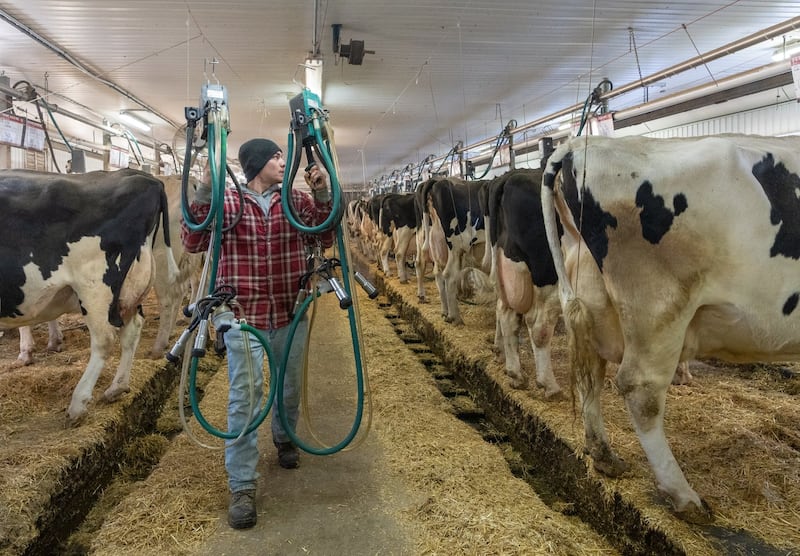
“The stability that quota brings to the dairy industry is reflected in the community,” MacKinnon said.
The tariffs haven’t impacted income, he added. Last year Canada conceded four per cent of national production to the U.S. in trade talks but said it would not negotiate more on market access, he added.
“I’m investing a tremendous amount of money in the construction of a barn,” he said. “So I need a positive outlook for the future.”
Devika Desai, CTVNews.ca journalist
Softwood lumber is ‘outlier’ in trade talks: expert
It’s still unclear how softwood lumber will be treated in ongoing trade negotiations, according to an industry expert.
But Derek Nighbor, president and CEO of Forest Products Association of Canada says that he’s “optimistic.”
The industry employs almost 200,000 people in Canada, “more than auto, steel and aluminum combined,” he told CTV News Channel on Thursday.
“We’re still hopeful in the home stretch here,” he added.
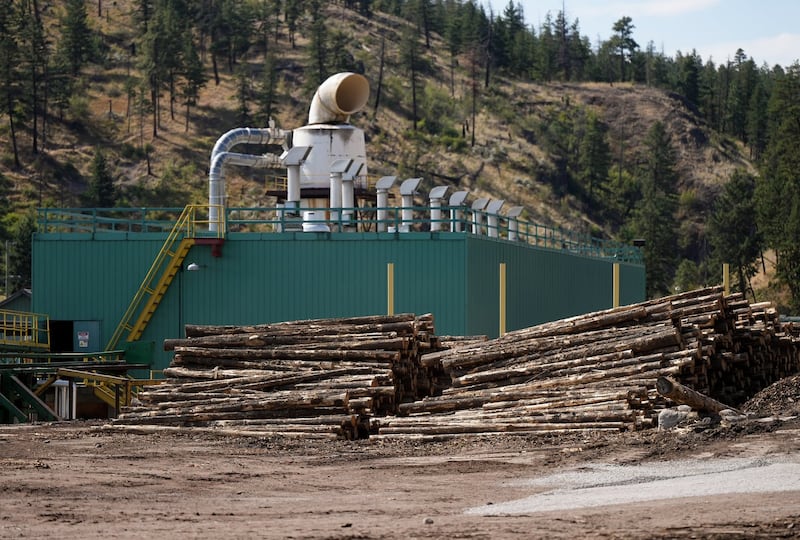
Ideally, Sections 338 and 232 which directly impact the industry would be eliminated, he said.
“If we can see those tariffs go away and if we can get a commitment to see Canada and the United States get back to the table to negotiate an agreement on softwood, I think that would be a pretty good outcome,” he said.
Under existing tariffs, the industry is losing market share to the Americans, Austrians, Swedes and Germans, as the Europeans only bear a 15 per cent premium, he said.
“We’ve heard the president talk this week a lot about fairness and treating Canada more equally in different segments like other countries,” he said.
“Lumber is clearly an outlier, and we’d like to see that gap close very much.”
Devika Desai, CTVNews.ca journalist
Foreign affairs minister travels to Washington
Anita Anand, Canada’s minister of foreign affairs, will travel to Washington on Thursday to meet her U.S. counterpart, Secretary of State Marco Rubio.
Global Affairs Canada stated in a press release on Thursday that the two will discuss “continental security and other global priorities” but did not share more details.
According to a Thursday schedule released by the U.S. Department of State, Anand will meet with Rubio at 1:30 p.m. EDT at the White House. The meeting will be closed to the media.
Anand’s office has confirmed the meeting is not related to trade negotiations.
Devika Desai, CTVNews.ca journalist
Premiers are optimistic
Some premiers say they’re optimistic about Canada’s progress in reaching a trade deal to avoid punishing tariffs from the United States, while others say they’re waiting for more details about the agreement.
Nova Scotia Premier Tim Houston told reporters Wednesday that he was “optimistic” about the deal, adding that Prime Minister Mark Carney has asked provinces to restock American alcohol on their shelves.
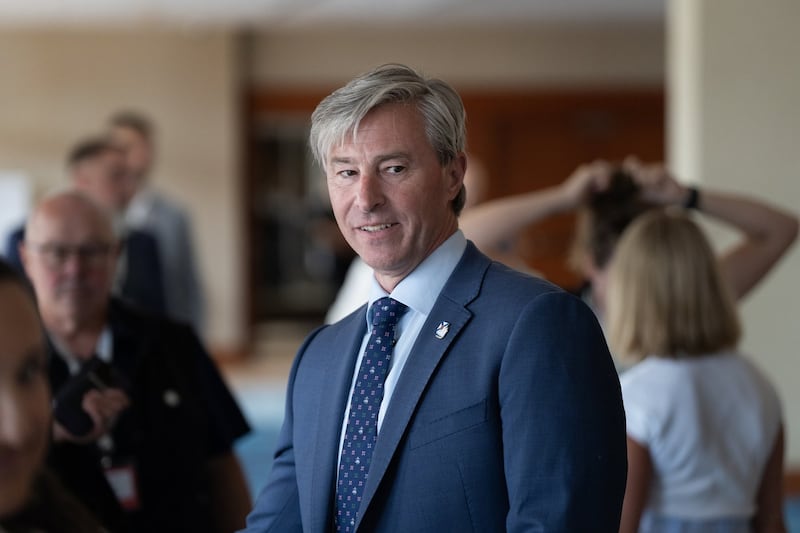
B.C.’s David Eby said that while no agreement will offer everything the country is hoping for, the federal government has made substantial progress across strategic sectors.
Scott Moe of Saskatchewan said Wednesday that he hopes both countries can negotiate a deal that would reduce U.S. tariffs on Canadian steel, aluminum, autos and lumber.
Quebec Premier Christine Fréchette told reporters it was too soon to make a judgment call about the deal, adding that she needed more information to see whether it’s positive for her province.
The Canadian Press
Province needs to diversify: N.S. premier
Nova Scotia Premier Tim Houston said that Canada’s trade dispute with the U.S. has been a wake-up call to diversify the province’s economy.
Houston was responding late Wednesday to a potential Canada-U.S. trade deal from Banff, Alta., where he’s promoting energy projects at an industry conference.
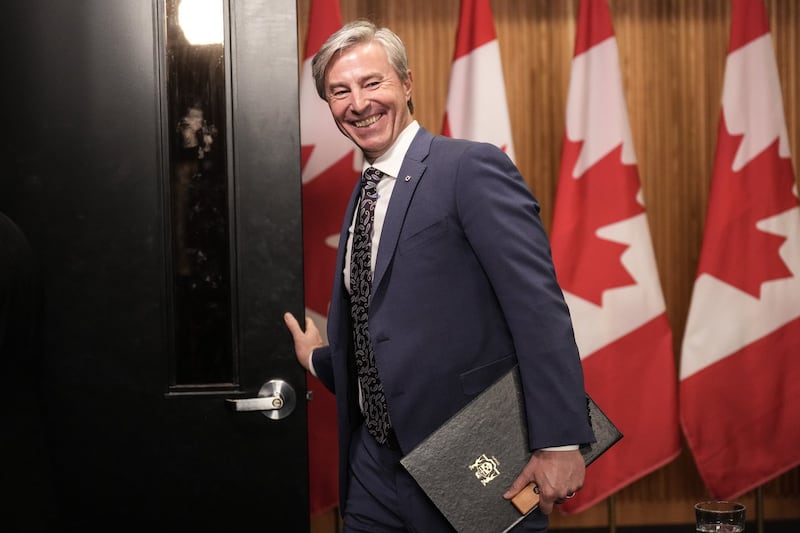
He said the dispute has taught the province it needs to develop more diverse trading partners for sectors like seafood and agriculture, though the U.S. market is still important.
He said Nova Scotia also has to be more self-sufficient, especially on the energy file.
“The whole experience has taught us something really important about diversification and pushing Nova Scotian opportunities,” Houston told reporters. " “That’s why I’m in Alberta right now talking about Nova Scotia gas and ... oil and ... opportunities.
Diversifying our trading partners for our markets and seafood and agriculture and all kinds of things.”
The Canadian Press, Read the full article here
Reducing steel, aluminum tariffs ‘extremely important’: expert
An international trade lawyer says an agreement that includes reductions to Section 232 tariffs on steel and aluminum will be “extremely important” for sectors that have been “really suffering.”
“If we can regain access to the United States market, our producers are going to be in a much better place, and might even have a competitive advantage compared with the rest of the world,” William Pellerin told CTV News Channel on Thursday.
While neither side has confirmed details involving dairy, comments made by Trump on Wednesday that the new agreement is “great for our farmers” leads Pellerin to suspect “minor concessions” have been made.
Left off the negotiating table so far is softwood lumber, which Pellerin said is a disadvantage for Quebec, British Columbia and Alberta lumber producers.
“It would have been nice relief, but I think we probably didn’t have enough cards to play to also get some relief on that sector,” he said.
Kayla Thompson, CTVNews.ca journalist
Keystone XL benefits both: expert
“It’s really one of those unique cases where I think both countries benefit,” said Dennis McConaghy, a former Canadian energy executive, on Thursday.
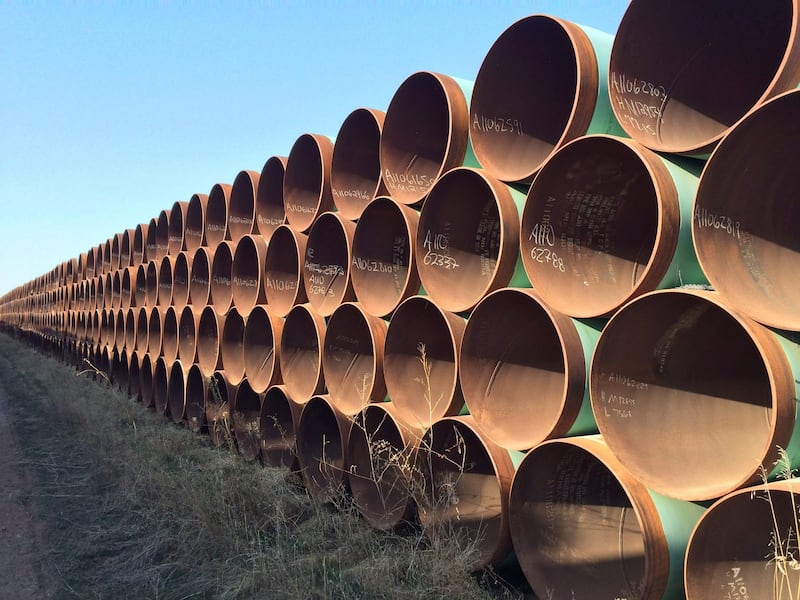
In an interview with CTV Your Morning, McConaghy explained that Canada would benefit economically if Keystone XL were revived, since Canadian heavy oil suits U.S. refineries.
“Now the argument has always been Canada might gain more economic margin by sending its incremental oil production to the West Coast,” McConaghy said. “Of course, that means you have to be able to get a pipeline built to the West Coast, and that’s always had obvious risks.”
Devika Desai, CTVNews.ca journalist
Avoid ‘escalation’: agri-food expert
Canada’s agri-food exporters are “optimistic” about Trump’s tariff pause as it abated a potential “escalatory spiral” that could have hurt business, a Canadian expert says.
Michael Harvey, the executive director of the Canadian Agri-Food Trade Alliance, told CTV News Channel on Wednesday that while the industry isn’t directly impacted by the tariffs, there has been “an increasing level of political risk that’s made it difficult to make business decisions to invest.”
“Our concern has been an escalatory spiral where there could be across-the-board tariffs that would hit,” he said.
Despite becoming a more difficult market to work with, the U.S. still makes up 70 per cent of Canada’s agri-food exports, he added. “We have to manage these contradictory ... situations.”
“Our situation is of confidence, but not too much confidence.”
Devika Desai, CTVNews.ca journalist
PM Carney asks for return of U.S. booze
Following a virtual first ministers meeting, Nova Scotia Premier Tim Houston said Prime Minister Mark Carney asked the provincial leaders “to return the U.S. alcohol to the shelf.”
In a virtual media conference on Wednesday, Houston said the ask is “something that came directly out of the negotiating table,” and is “something that (he) would be willing to do for the prime minister at this point in time.”
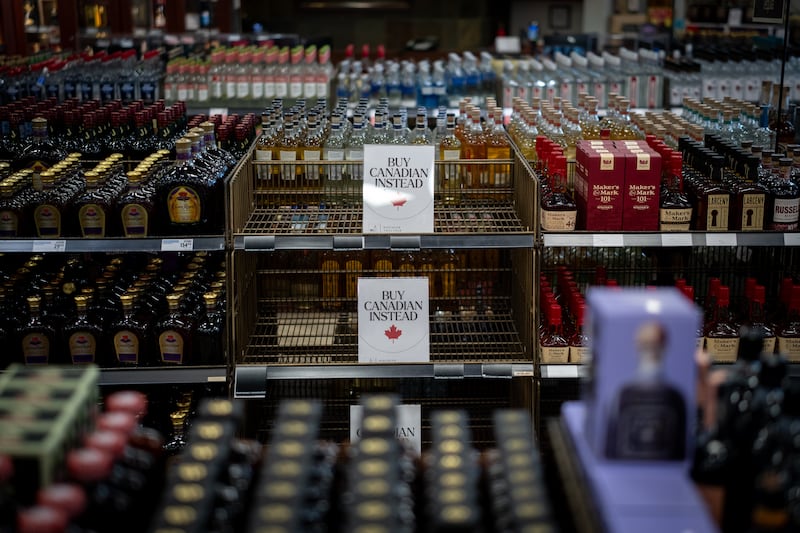
“Whether Nova Scotians or whether Canadians will actually buy it when it gets back on the shelves, that’s a whole other discussion,” he added.
Kayla Thompson, CTVNews.ca journalist
Provincial sources: trade deal not done
Multiple provincial sources are sharing cautious optimism with CTV News following a briefing with Carney on the tentative trade deal between Canada and the U.S. However, they also emphasized that the deal is not done yet.
In a post to Truth Social late Tuesday, Trump said the countries “have a deal,” but sources say that characterization is not accurate and further negotiations are ongoing.
The provincial sources also tell CTV News that Carney personally asked the premiers to return U.S. alcohol to store shelves. He even told them he will bear any public pushback if that happens.
According to a recent Nanos Research survey, most Canadians say they won’t purchase U.S. booze if it returns to stores.
Stephanie Ha, bureau manager, Ottawa News Bureau
With files from CTV News’ chief political correspondent Vassy Kapelos

