DELTA, B.C. – For the management of a Metro Vancouver metal fabrication company, there have been sleepless nights over the last year and a half, along with rising costs and constant uncertainty.
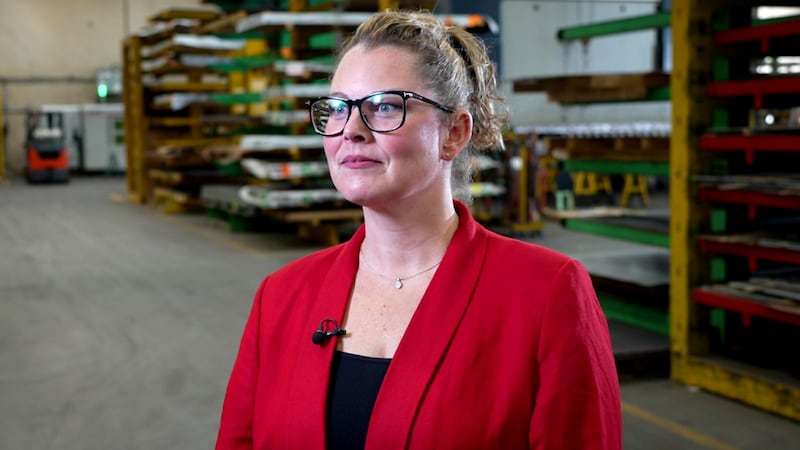
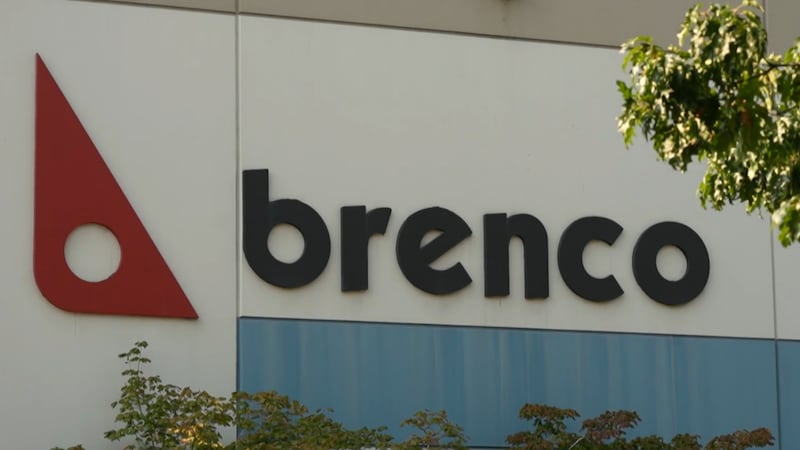
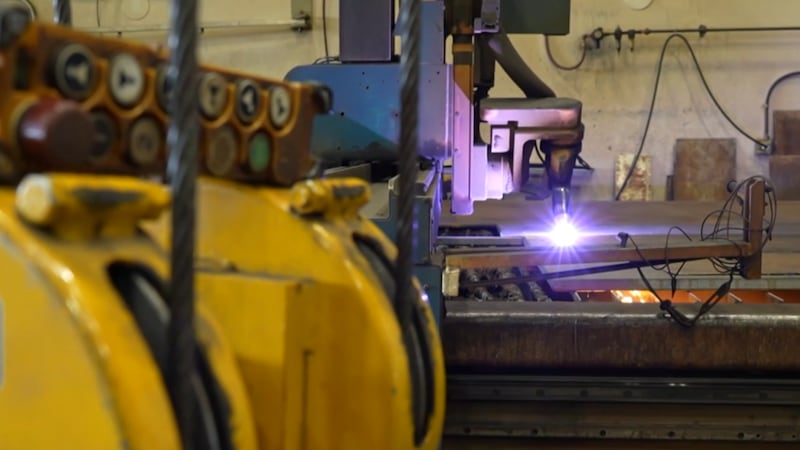
At Brenco in Delta, workers cut, bend and fabricate metal for industries ranging from forestry and mining to data centres and public art. But company president and CEO Vanessa Heim says the uncertainty surrounding tariffs is making virtually everything more difficult.
“We don’t know whether we should be investing in equipment or battening down the hatches,” Heim said.
Brenco is a family business founded in 1983 by Heim’s father and grandfather, named after her mother Brenda. But this past year has been unlike any other. The company has watched the cost and availability of materials fluctuate as she says Canada and the U.S. “go head-to-head” imposing tariffs and counter-tariffs.
Heim says the company has recently faced shortages of stainless steel, aluminum and mild steel.
“Our suppliers will leave product on the docks because they can’t bring it into the country without a 50 per cent tariff,” she said.
Heim says one of Brenco’s largest customers shut down its Canadian operation last December after 40 years, laying off about 60 local employees. The company then relocated to Texas.
“It’s a real shame that we’re seeing family businesses close their doors because they cannot compete,” Heim said.
Business professor Marvin Ryder says that is exactly what U.S. President Donald Trump wants to see, as American tariffs are designed to make Canadian products more expensive for U.S. buyers, and lure manufacturers south to avoid extra costs. The tariff itself is paid by the importer, not the Canadian exporter.
Ryder, who teaches at McMaster University, says an American customer may decide to switch to a U.S. supplier if the added cost makes a Canadian product less competitive.
“Those nuts and bolts have gotten a lot more expensive,” Ryder said. “There’s a domestic supplier that I can use in the United States, and it actually would be cheaper. So, I’m going to cancel my orders with you in Canada to avoid paying those tariffs.”
For businesses, Ryder says, the biggest problem may be the uncertainty itself.
“Uncertainty is the enemy of everything,” Ryder said. “Businesses are afraid to do anything long term because they can’t plan the future.”
That uncertainty is affecting decisions about hiring, equipment and investment at Brenco.
Heim says federal measures announced recently, including interest-free loans, don’t address the needs of a custom fabrication business like hers.
Instead, she wants policies that would allow Canadian manufacturers to compete more effectively in global markets, including lower taxes and greater ability to invest in automation and write off capital expenditures.
For now, Heim says the best-case scenario would be simply certainty.
“We can deal with tariffs if we know they’re going to be six months from now.”