EASTERN PASSAGE, N.S. — For 35 years Nova Scotia fisherman Jason Purdy has fished for lobster, halibut, and swordfish.
“I fish everything in the ocean, I guess,” he said jokingly at the wharf in Eastern Passage, N.S.
Purdy is proud of the contributions he has made to the fishing and seafood export industry in Nova Scotia, which generates roughly $8.5 billion annually. However, these days, he’s also disappointed by the trade war with the U.S. and the strained relationship between the two countries.
“We are looking for reasons to fight and bicker with each other about things that we shouldn’t have to fight and bicker about,” said Purdy, who awoke Thursday morning to some long-awaited positive news affecting his livelihood.
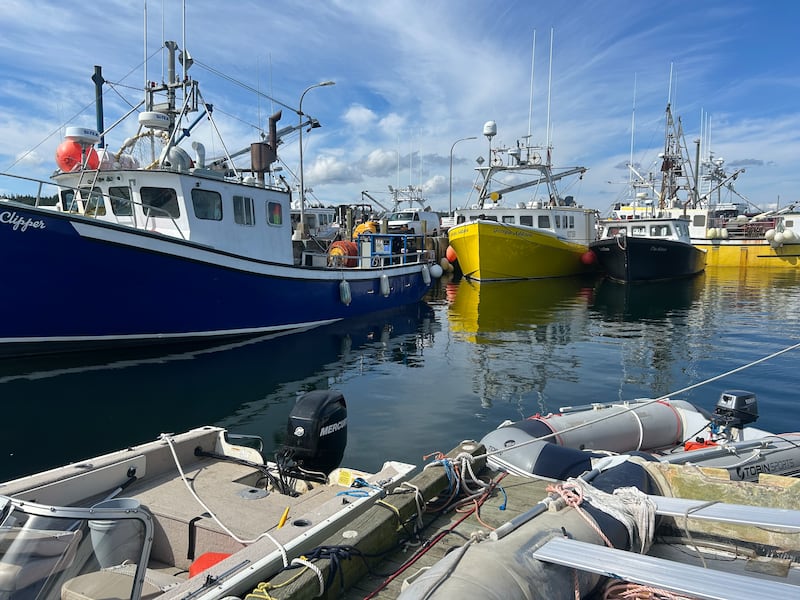
The federal government is adjusting its retaliatory tariffs against the U.S. Fish and seafood products are now off the list.
Canada’s Finance Minister François-Philippe Champagne said the adjustment to the retaliatory tariffs was made in response to fishing and seafood industry leaders who called for the change.
“It sends the message to Canadians,” said Champagne. “My job is to fight for Canada, my job is to fight for Canadians, my job is to fight for Canadian business, to fight for Canadian industry, to fight for Canadian fishers. Those are the ones that I listen to, and that’s why we said if we need to update the list, we do it.”
Canada currently imports close to $1 billion worth of seafood from the U.S. each year and 40 per cent of that is lobster. It was feared a potential retaliatory tariff would have resulted in a major financial blow to Canadian lobster harvesters.
“We buy about $400 million worth, give or take, of U.S. lobster every year to process in our processing plants in Eastern Canada when there is not a lot of harvesting here,” said Geoff Irvine, executive director of the Lobster Council of Canada, in an interview with CTV Atlantic.
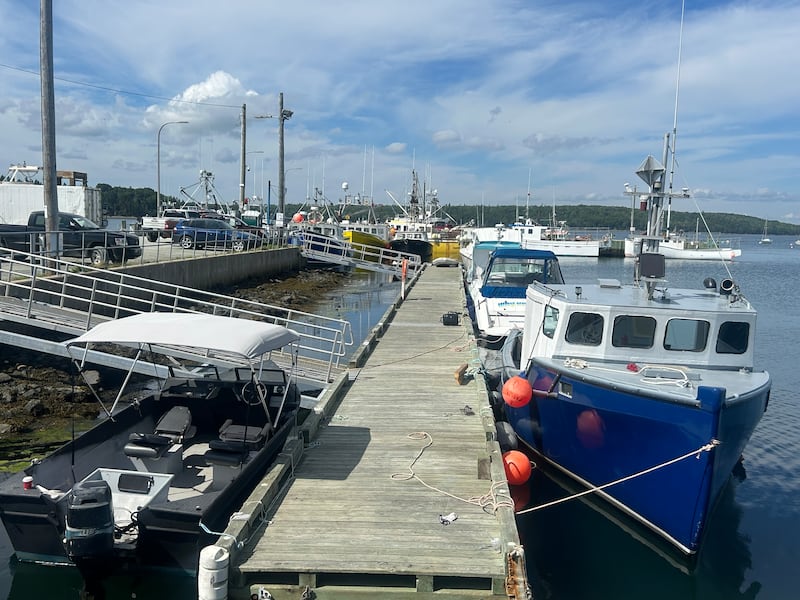
Purdy said he hopes this leads to smoother relations between the two countries, but he also pointed out Canada has already diversified, selling more seafood to Europe and Asia, and has moved away somewhat from the U.S.
“We have been sourcing new markets the last few years, because we can’t have everything dependent on our product going to the United States,” said Purdy, who added the removal of the retaliatory tariff on fish and seafood does not mean financial pressures still do not exist within the industry. “The high cost of diesel and bait is putting a strain on everything now, and some costs have doubled.”
With files from CTV Atlantic’s Jonathan MacInnis

