


The White House has made another wide-ranging shuffle to its tariff regime on Canadian goods.
Among those products: Seaweed, packing boxes and some plywood sheets are out. Cocoa power, vinyl flooring and shampoos are in.
A full list of goods now facing 50 per cent tariffs is available here. The changes will take effect at the end of the month.
Canada-U.S. Trade Minister Dominic LeBlanc’s office said the government will assess the latest tariff measures and that “Canada stands ready to work constructively and in good faith towards a more mutually beneficial trading relationship” with the U.S.
“As always, our focus remains clear: building a stronger, more competitive, and more resilient economy for workers, businesses, farmers and all Canadians” the statement said.
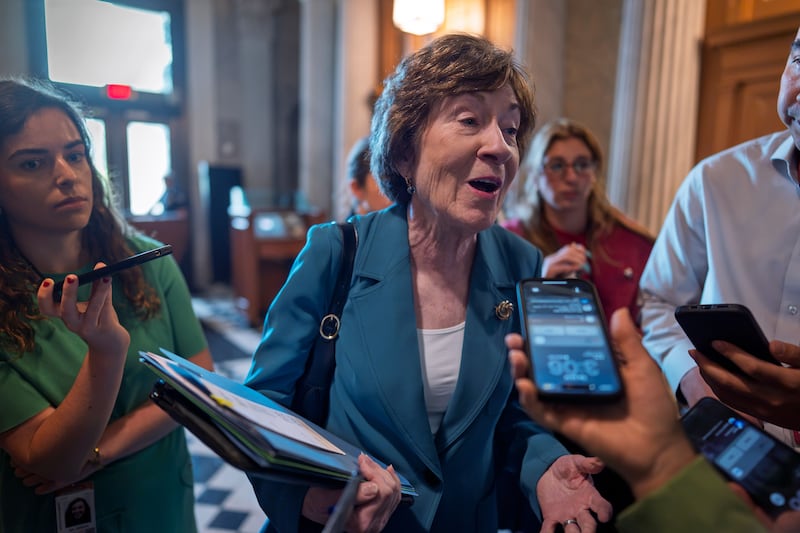
Earlier on Friday, Republican Maine Sen. Susan Collins said she has secured tariff exemptions on a variety of Canadian products to bolster domestic agriculture.
“I am pleased to have secured additional tariff exemptions (for) products crucial to Maine’s agricultural industries, including blueberry, potato, apple, and seaweed producers,” she wrote on X Friday.
“Many of our farmers and growers rely on specialized equipment, packaging materials, and other products from Canada that are either unavailable from American suppliers or cannot be replaced without incurring significant expense.”
Collins requested tariff relief during discussions with U.S. Trade Rep. Jamieson Greer, Treasury Secretary Howard Lutnick – both of whom have been involved in negotiations with Canada – and senior Trump administration officials, she said.
During those conversations, she advocated for a broader trade agreement with Canada, “our neighbor, ally, and largest trading partner.”
Collins is in the midst of a re-election campaign against Democratic candidate Troy Jackson.
Canada-U.S. deal is close: Trump
The news came hours after U.S. President Donald Trump said a trade deal with Canada is nearing.
Asked about progress toward a deal with Mexico, Trump said during a scrum with reporters in Washington that his administration is “very close” to a “very good” deal.
“The same thing with Canada. Canada’s working very hard to make a deal with us. And I hate to say this, but we have all the cards,” he said.
Progress on the Canada-U.S. trade file has been relatively opaque since talks fell apart in August. Sources told CTV News this week that Prime Minister Mark Carney’s advisory committee on U.S. economic relations convened its first meeting in over a month and a half on Thursday.
CTV News also confirmed that LeBlanc is in Ottawa on Friday, when he was expected to attend an infrastructure-related event in his New Brunswick riding.
‘All about politics?’
From Washington, CTV News political analyst Eric Ham said the exemptions are “all about politics.”
“The internal polling data must show that Susan Collins is in deep, deep trouble,” he said. “What we’re seeing here is, clearly, Republicans are sounding the alarm about what is happening just 10 days out from the election.
“And right now, we see that those tariffs have been causing tremendous angst for American voters.”
Ham said his assessment of this and other recent comments from Trump, are that it’s the president “to do his level best to give his candidates a lifeline as voters are heading to the polls.”
Meanwhile, international trade lawyer Barry Appleton said Washington’s overall tariff policy remains the same.
“Washington didn’t lower the tariff wall ... they kind of moved some bricks around,” he said in an interview with CTV News Channel Friday.
“Tariffs have a price ceiling, and Maine has now found out what that ceiling was.”
Appleton said Friday’s decision indicates that affordability has taken its toll. He called Collins “a very good friend” to Canada, but added that, “for a U.S. senator to be able to get re-elected … they have to lower tariffs.”
Carney quips ‘we could sign it this afternoon’
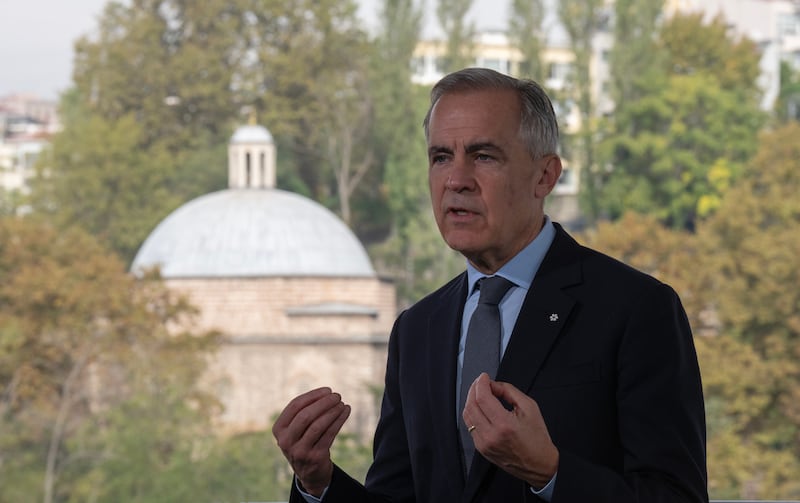
During an overnight press conference in Istanbul, hours before Trump’s comments, Carney said Canada was “continuing to engage with the U.S. government.”
“We continue to be ready to sit down in good faith to negotiate a trade deal that is in both of our interests. Of course, we’re looking for the interests of Canadians, we don’t care about the timing of that,” he said.
“We could sign it [a deal] this afternoon if the U.S. were there. If it has to be months from now or longer than that, or another administration before a proper deal comes into place, we would do that,” the prime minister told reporters.
Pressed on how much the timing matters, Carney said Canada would “drop everything” if the Americans were ready to negotiate in good faith, but the chance of that happening before the midterms is “up to the United States, they’re a little hard to predict.”
The two men spoke on Wednesday “for quite some time,” according to the prime minister. Sources have indicated to CTV News that Canadian officials haven’t ruled out the possibility of a snap trade deal before next month’s midterm elections in the U.S., but hope remains faint.
Meanwhile, Washington’s envoy in Ottawa has accused senior Canadian leadership of political interference ahead of those elections. The claims surround various officials’ activities south of the border. Among those named was Industry Minister Melanie Joly, who on Thursday refuted the claims.
She made the remark after warning a U.S. company to reverse course on a plan to lay off 500 Ontario steel workers. Stelco, in Hamilton, is owned by an Ohio-based company called Cleveland-Cliffs. Its CEO, Lourenco Goncalves, has previously publicly supported Trump’s tariff policy.
In March 2025, U.S. President Donald Trump hit Canada’s steel and aluminum sector with 25 per cent tariffs, then in June of that year, his administration increased those tariffs to 50 per cent. It’s just one sector among many affected by Trump’s expansive tariff regime.
Canada has put counter-tariffs covering $27.6 billion in imports from the U.S., with an emphasis on steel, dairy, appliances, agricultural equipment, pulp and paper, and electronics.
With files from CTV News Ottawa Bureau Correspondent Jeremie Charron and CTV News’ Kayla Thompson

