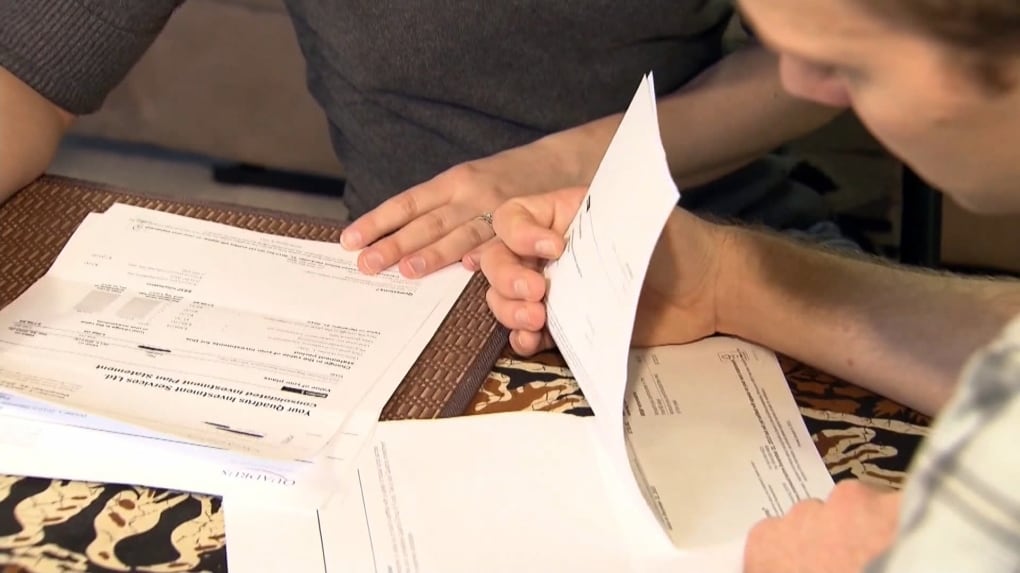
As the calendar winds down on 2026, investors will be looking to lower their tax bills through “tax-loss selling.”
It involves selling equities at a loss to offset tax on capital gains, but even tax experts warn not to sell just to save a few dollars.
Why an early strategy is important
Tax-loss selling is pretty straightforward from a tax perspective, but it can get complicated from an investment perspective. The last thing you want to do is sell a potentially lucrative investment that is in a short-term slump.
A qualified advisor can help separate good losers from bad losers, and you still have until Dec. 30 to evaluate their performance. As third quarter earnings season wraps up, there is one last chance to evaluate a questionable company’s most current financial health.
If the investment you want to dump is an equity mutual fund or exchange-traded fund (ETF), be careful not to throw the baby out with the bathwater. In other words, don’t sell a good portfolio if a few laggards are dragging it down.
How tax-loss selling works
Tax-loss selling brings an opportunity to use 2026 stock market losses to recoup tax paid on capital gains in the past three years or reduce tax on capital gains this year or any year in the future.
Because half of capital gains on equities sold in a non-registered trading account are taxed, half of capital losses can eliminate the taxes on capital gains dollar-for-dollar.
As an example; if you accumulated $10,000 in capital gains on equities sold last year and claimed the required $5,000 as income, $10,000 in capital losses will get you a full refund.
It’s important to note, the inclusion rate on capital gains exceeding $250,000 in a year by a single individual increases to two-thirds or 66.7 per cent.
Beware of the superficial loss rule
As with any tax strategy, the Canada Revenue Agency (CRA) has strict rules when it comes to tax-loss selling.
The most important is called the superficial loss rule, which prohibits the repurchase of the same stock within thirty days of the tax loss sale. The superficial loss rule applies to repurchases in any registered or non-registered account in the name of the account holder, and even the account holder’s spouse.
If you want to repurchase the same stock you must wait at least 31 days from the sale. You cannot claim a capital loss if you purchase the security 30 days before the sale, repurchase it the day of the sale, or 30 days after.
Using a TFSA and RRSP for further tax savings
It’s important to note that tax loss selling or tax on capital gains does not apply to investments in registered accounts including a registered retirement saving plan (RRSP) or a tax-free savings account (TFSA).
The tax savings from tax loss selling, however, can generate further tax savings by shifting the proceeds from a non-registered account to registered accounts.
While half of capital gains are taxed in a non-registered account, the tax on capital gains in a TFSA is zero. Capital gains in a RRSP are fully taxed when withdrawn in retirement along with income and original contributions, but investors are permitted to deduct their contributions from their taxable income.
RRSP contributions made before the March 1, 2027, deadline can be deducted from 2026 income or carried forward to future years when your tax burden is heavier.
With both the RRSP and TFSA, capital losses don’t apply from a tax perspective because capital gains are never directly taxed in the first place.
There are other specific rules for tax-loss selling and contributing to registered accounts, so consider speaking with a professional.