LONDON — Oil prices gained more than 2 per cent on Tuesday on fresh attacks exchanged by the U.S. and Iran as well as threats of a naval blockade of Saudi Arabia by Yemen’s Houthis.
Brent crude futures LCOc1 rose $1.89, or 2.12 per cent, to $91.11 a barrel by 0112 GMT.
The front-month U.S. West Texas Intermediate crude contract CLc1, which expires on Tuesday, was up $2.07, or 2.49 per cent, at $85.30. The more active contract for September delivery CLc2 rose $2, or 2.42 per cent, to $84.48.
“Lower exports through the Strait of Hormuz and concerns of potential supply disruption from oil coming through the Red Sea are moderately supporting oil prices,” said UBS analyst Giovanni Staunovo.
U.S. forces bombed targets in southern Iran overnight after President Donald Trump said that Tehran would pay dearly for the deaths of American soldiers. Iran, meanwhile, struck U.S. sites in Bahrain, Kuwait and Jordan.
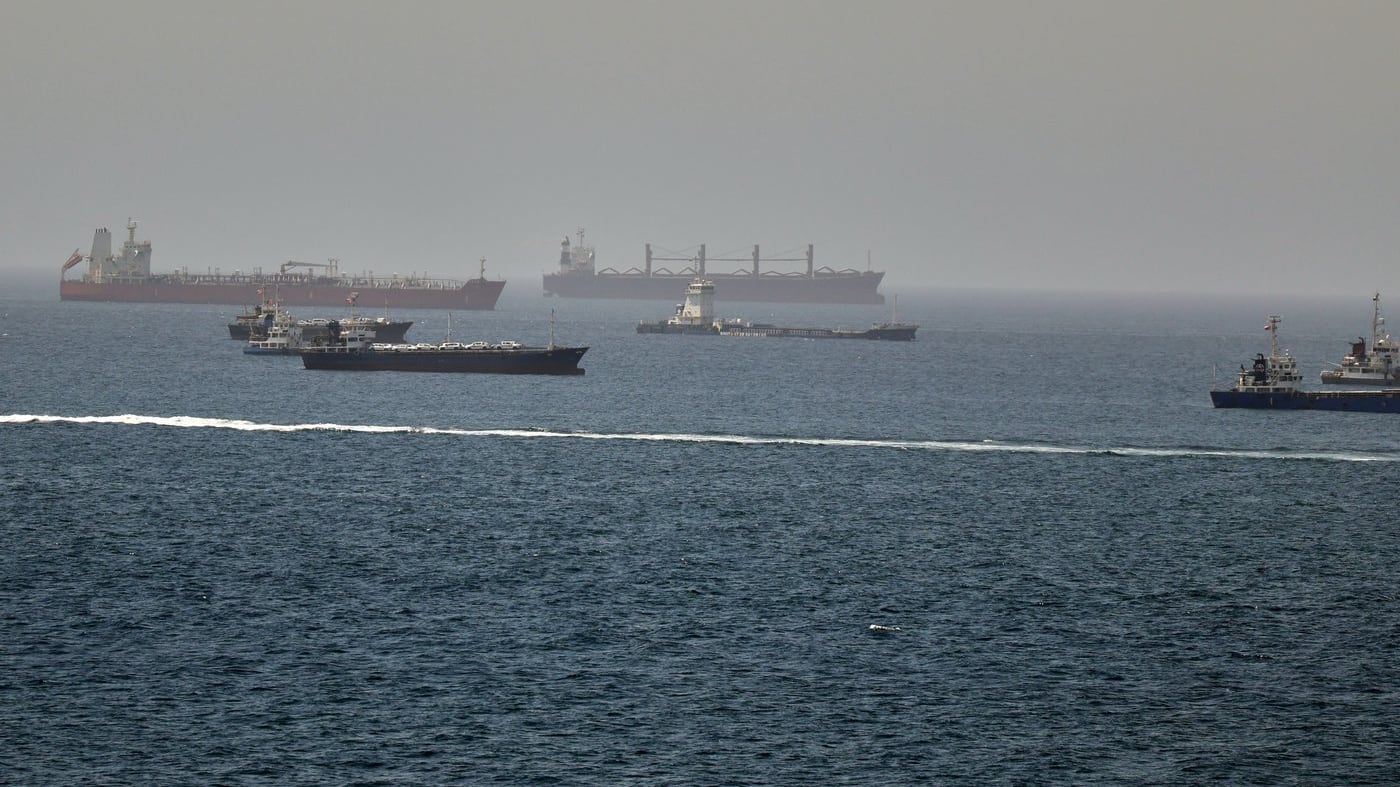
A tanker in the Strait of Hormuz reported being struck by an unknown projectile, forcing its crew to abandon ship and board a lifeboat, the United Kingdom Maritime Trade Operations agency said on Tuesday as vessel crossings dropped further.
“The optimist may see the latest American attacks as a last attempt to strengthen the negotiating position before a compromise is reached and the Strait of Hormuz is reopened,” an SEB Research note said.
“However, the risk is a more prolonged stalemate, with continued uncertain energy flows, higher oil prices and recurring attacks.”
Limiting price gains, a senior Iranian official told Reuters that Tehran had received a proposal from mediators for a 10-day ceasefire in efforts to salvage the deal signed on June 17, intended to pave the way for a lasting agreement to end the war that began on February 28 with U.S.-Israeli attacks on Iran.
Yemen’s Iran-aligned Houthis said on Monday that they would impose a naval blockade on Saudi Arabia, opening a potential new front against the U.S. and raising the threat to global energy supplies and trade beyond the Gulf.
“The threats of a naval blockade on Saudi Arabia by the Houthis are significant because they raise the risk of disruption to another major oil exporter,” said Tim Waterer at KCM Trade.
Two oil tankers which loaded Saudi crude for China and India this week made U-turns in the Red Sea on Tuesday and were headed toward the Suez, shipping data on LSEG showed.
Meanwhile, U.S. crude oil and gasoline stockpiles were expected to have fallen last week while distillate stocks are likely to have risen, a preliminary Reuters poll showed on Monday.EIA/S
(Reporting by Stephanie Kelly in London, Ishaan Arora in Bengaluru and Emily Chow in Singapore;Editing by David Goodman and Emelia Sithole-Matarise)

