When the members of the FOMC sit down this week to review their inflation outlook and what they will do with policy, this is the primary view I’d be considering if I was voting. I hope they will do the same, but the market is almost pricing in a certain rate hike and a few more to follow. I believe this is misguided. It will not likely solve the issues driving inflation pressures today.
Truth be told, the top 20-40 per cent of consumers are driving demand led largely by the wealth effect. The bottom half or more is struggling with higher energy prices from supply side shocks, which are temporary, though lasting longer than expected. Higher rates could possibly hurt equities, but also puts more money into the savings of the top part of the consumer. Corporate demand coming from AI Capex is not likely to be impacted by higher rates. If the goal is to hurt equity valuations (and the wealth effect) to curb consumer demand, then hike baby hike, but I’m not sure that’s the outcome we want. Supply side inflations shocks require supply side remedies.
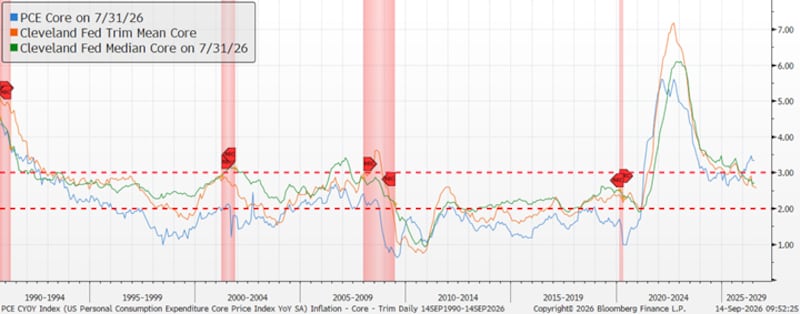
The birth of the internet in the 1990s and the disinflationary impact of globalization for the past 30 years kept core inflation well contained. The Cleveland Fed core trimmed mean and median measures of inflation are back in the 2-3 per cent band, which is very good news. But less globalization will certainly elevate the FOMCs 2 per cent target, which is where the world is heading. Where inflation rates settle in the coming decades is very likely to be slightly higher than the past few decades where 2 per cent was the right number to target. The new number is very likely structurally higher. The drivers of inflation in the past few decades have changed (less globalization and labour market mismatch) and that needs to be factored into longer-term planning. We hope Warsh’s new task forces see this and slowly adjust market expectations.
We likely get a rate hike this week, but I don’t think that’s the right move.

